
Future-Proofing Health: Early HIV Detection and the Prevention Revolution
At a Glance
- Sample Required: Blood (venipuncture)
- Fasting Rules: None required
- Turnaround Time: 24–48 hours
- Base Cost: [Insert Current 2026 Price]
A Brief History and Origin of HIV
HIV (Human Immunodeficiency Virus) is believed to have originated in humans after the Simian Immunodeficiency Virus (SIV) from chimpanzees crossed over to people, most likely through the consumption of bushmeat in Central Africa. The earliest confirmed human case dates back to a blood sample from 1959 in Kinshasa, Democratic Republic of Congo, but genetic analysis suggests HIV entered humans around 1920.
Transmission Vectors and Incubation
HIV is transmitted through contact with specific body fluids from a person who has HIV. These fluids include:
- Blood
- Semen and pre-seminal fluid
- Vaginal and rectal fluids
- Breast milk
The most common routes of transmission are:
- Unprotected sex (anal or vaginal)
- Sharing needles or syringes (often related to drug use)
- From mother to child during childbirth or breastfeeding
- (Rarely) Through contaminated blood products or organ transplants
HIV is not spread through casual contact such as hugging, kissing, sharing food, or insect bites. For more information, see CDC HIV Basics and Cleveland Clinic.
Symptom Timeline and Stages
HIV infection progresses in several stages, each with distinct symptoms:
| Stage | Timeline | Symptoms |
|---|---|---|
| Acute HIV Infection | 2-4 weeks post-exposure | Flu-like symptoms: fever, headache, rash, sore throat. Some may be asymptomatic. |
| Chronic HIV Infection | Clinical latency (can last a decade or more) | Often few or no symptoms, but virus remains active and transmissible. |
| AIDS (Advanced stage) | When CD4 count drops below 200 or opportunistic infections occur | Rapid weight loss, persistent fever, diarrhea, swollen lymph nodes, night sweats, fungal infections, increased risk of serious infections and cancers. |
According to WHO and NIH, these stages are consistent with global clinical guidelines.
Prevention: Do's and Don'ts
Do's
- Use condoms every time you have sex
- Get tested for HIV and STIs regularly
- Use clean, sterile needles and injecting equipment
- Seek medical guidance before using prevention tools
- Educate yourself and spread awareness
- Consider medical male circumcision
- Join or support HIV awareness programs and testing drives
Don'ts
- Don't have unprotected sex
- Don't skip doses or stop PrEP/PEP without medical advice
- Don't assume your or your partner's status
- Don't share needles, syringes
- Don't self-medicate
- Don't spread myths, stigma, or discriminate
- Don't ignore evidence-based prevention strategies
- Don't avoid seeking help, guidance, or reliable information
HIV Diagnosis at DNA Labs India
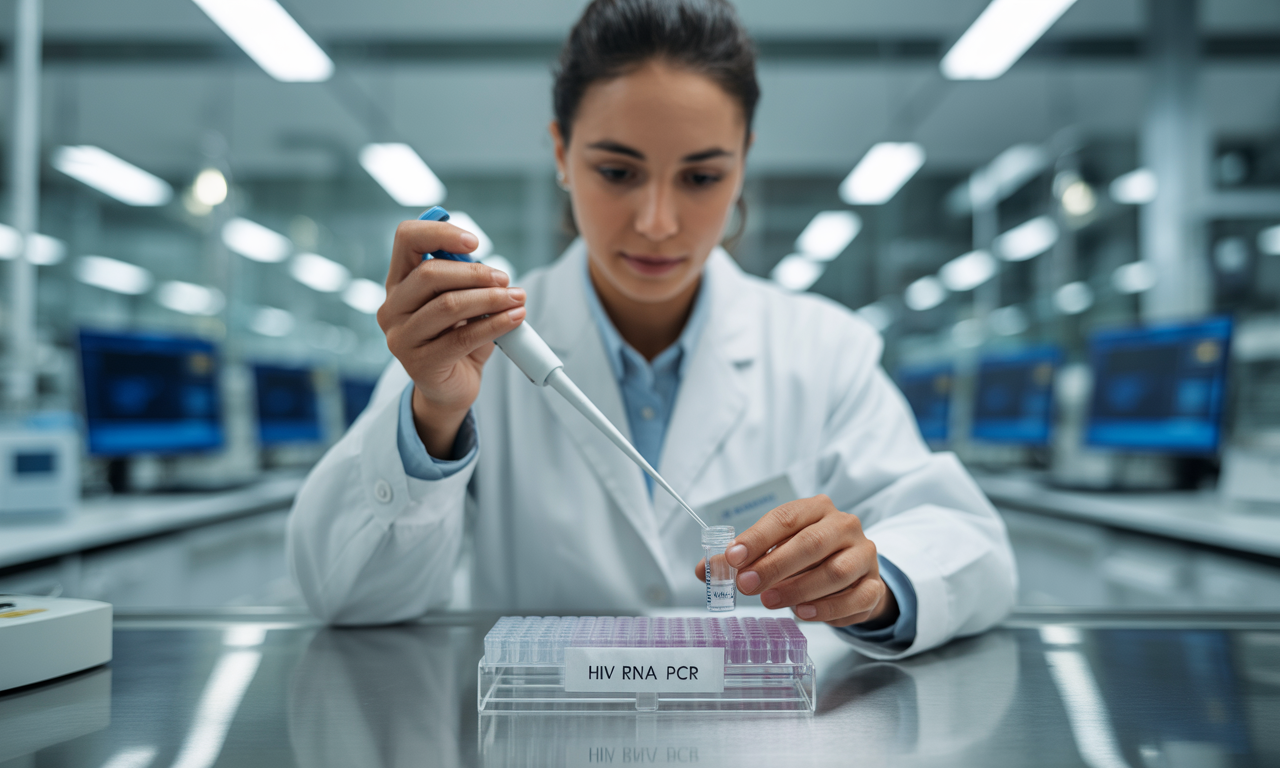
The HIV RNA PCR Qualitative Test detects HIV's genetic material as early as 10–14 days post-exposure—before antibodies develop. It's ideal for recent high-risk contact or early symptoms. Results are simple: “Detected” or “Not Detected”, enabling early treatment and peace of mind. Available at DNA Labs India, with fast turnaround and high accuracy—perfect for early diagnosis and effective HIV management.
For a comprehensive comparison of testing methods, see the table below:
| Test Type | Window Period | Use Case |
|---|---|---|
| HIV RNA PCR | 10–14 days | Early detection, high-risk exposure, confirmation of acute infection |
| Antigen/Antibody (4th gen) | 18–45 days | Routine screening, detects p24 antigen and antibodies |
| Antibody-only (3rd gen) | 3–12 weeks | Standard testing, less sensitive in early infection |
Why Choose DNA Labs India?
- Trusted, ISO 9001 certified lab
- Affordable prices
- Quick, accurate, and early results
- Home collection & testing convenience
- Supportive and private service
Public Awareness of HIV Virus in 2025
In 2025, global HIV awareness has reached record levels, with 87% of people living with HIV knowing their status. This progress reflects strong testing campaigns and education efforts worldwide.
Despite this, over 5 million remain unaware of their infection, mainly among vulnerable populations. Early diagnosis is key to treatment and prevention.
Continued public education, stigma reduction, and accessible testing remain vital to ending the HIV epidemic.
Take Charge of Your Health: Fast, Private, and Reliable HIV Testing Awaits
HIV is preventable, treatable, and manageable—but only if you know your status. With fast, reliable testing available at DNA Labs India, there's no reason to wait. Protect yourself and others—get tested, stay informed, and live empowered.
Book your HIV test now at dnalabsindia.com or call their support line for confidential assistance and home sample collection.
Written by: DNA Labs India Editorial Team
Medically Reviewed by: Dr. [Specialist Name], Microbiologist
Last Updated: [Current Date]