

Heart: Structure, Functions, and Key Facts
Written by: Dr. Ananya Sharma, MD
Medically Reviewed by: Dr. Rajesh Kumar, DM (Cardiology)
Last Updated: February 2026
Quick Summary
- Sample Required: Blood (for cardiac biomarkers) or Buccal Swab (for genetic testing)
- Fasting Rules: Fasting may be required for lipid profile; consult lab instructions.
- Turnaround Time (TAT): Varies by test; typically 24-72 hours for routine panels.
- Base Cost: [Insert Current 2026 Price]
The heart is the engine of the human body — a muscular organ that pumps blood continuously to deliver oxygen and nutrients to tissues while removing waste products. Roughly the size of a clenched fist, the heart beats over 100,000 times per day to keep you alive and well.
What Is the Heart?
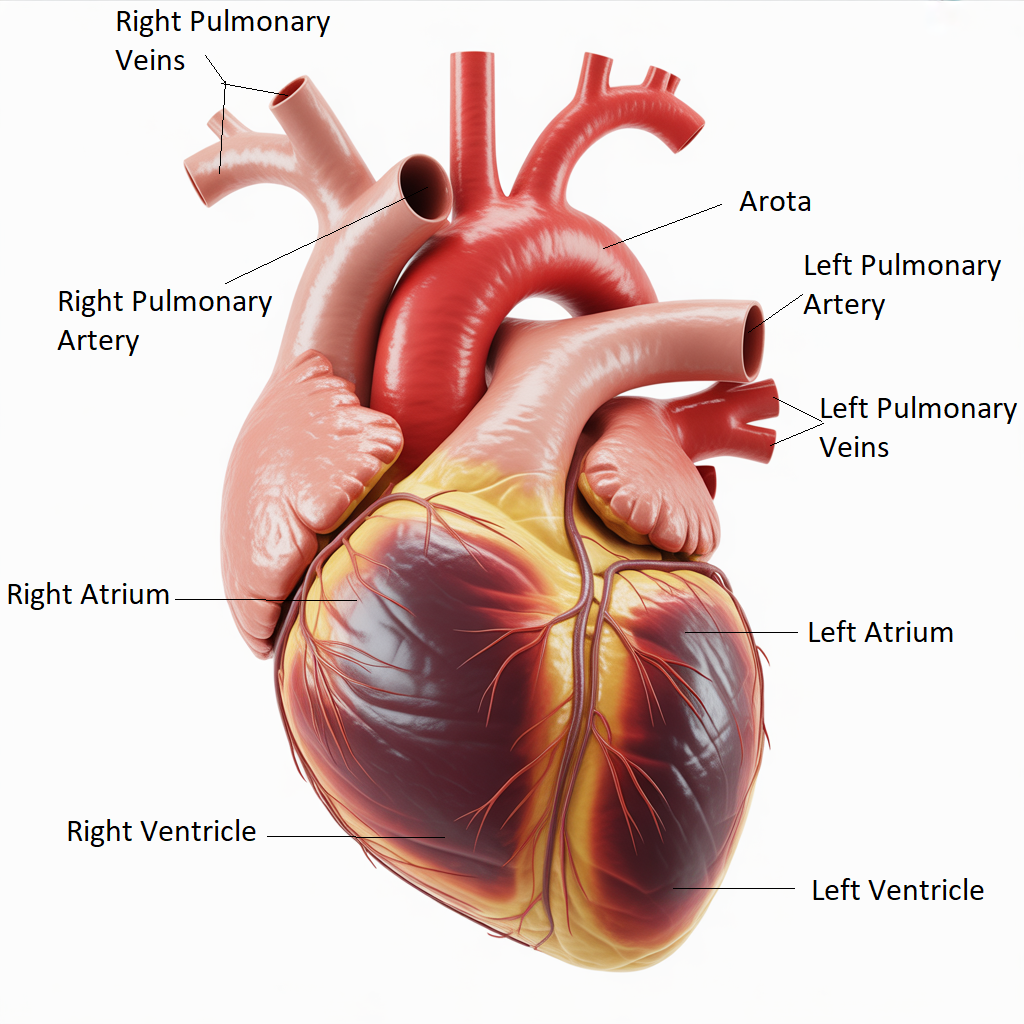
The heart is a hollow, cone-shaped organ located slightly left of the center in the chest cavity, between the lungs. It’s part of the circulatory system and works in coordination with blood vessels (arteries and veins) to transport blood throughout the body.
Divided into four chambers — two atria (upper) and two ventricles (lower) — the heart also contains valves that prevent blood from flowing backward. It operates automatically under electrical impulses that regulate the heartbeat.
Main Functions
- Pumps oxygen-rich blood: Supplies oxygen and nutrients to the body’s cells.
- Removes waste: Transports carbon dioxide and other waste to organs for removal.
- Maintains blood pressure: Ensures proper circulation throughout the body.
- Supports hormone delivery: Helps transport hormones via the bloodstream.
- Works with lungs: Exchanges oxygen and carbon dioxide during circulation.
Anatomy Overview
| Part | Location/Feature | Function |
|---|---|---|
| Right Atrium | Upper right chamber | Receives deoxygenated blood from the body |
| Right Ventricle | Lower right chamber | Pumps blood to lungs via pulmonary artery |
| Left Atrium | Upper left chamber | Receives oxygen-rich blood from lungs |
| Left Ventricle | Lower left chamber | Pumps oxygen-rich blood to the body through the aorta |
| Aorta | Largest artery | Distributes oxygenated blood to the body |
| Pulmonary Arteries | Connect heart to lungs | Carry deoxygenated blood to the lungs |
| Pulmonary Veins | Connect lungs to heart | Return oxygenated blood to the heart |
| Valves (mitral, tricuspid, etc.) | Between chambers and vessels | Prevent backflow of blood |
Common Issues of the Heart
Heart diseases are among the leading causes of death globally. Some of the most common include:
- Coronary artery disease (CAD)
- Heart attack (myocardial infarction)
- Heart failure
- Arrhythmias (irregular heartbeat)
- Valvular heart disease
- Cardiomyopathy
- Congenital heart defects
- Hypertension (high blood pressure)
Warning Signs to Watch For
- Chest pain, tightness, or pressure
- Shortness of breath
- Fatigue, dizziness, or fainting
- Irregular or rapid heartbeat
- Swelling in legs, ankles, or feet
- Pain in the neck, jaw, or left arm
- Cold sweats or nausea
Best Practices for a Healthy Heart
Protecting your heart starts with lifestyle and early detection. Here are science-backed strategies:
- Eat a heart-healthy diet: Include fruits, vegetables, whole grains, lean proteins, and healthy fats.
- Exercise regularly: Aim for at least 150 minutes of moderate aerobic activity per week.
- Quit smoking: Tobacco use greatly increases heart disease risk.
- Limit alcohol: Excessive drinking can raise blood pressure and weaken the heart.
- Manage stress: Chronic stress can negatively affect blood pressure and heart rhythms.
- Monitor blood pressure and cholesterol: Get them checked regularly.
- Maintain a healthy weight: Reduces the strain on your heart.
- Get routine checkups: Especially if you have a family history of heart disease.
When Should You Consult a Doctor?
Seek medical help immediately if you notice:
- Sudden chest pain or tightness
- Irregular or very fast heartbeat
- Persistent shortness of breath
- Swelling in your legs or abdomen
- Symptoms that come on with exertion and improve with rest
Don’t wait — timely medical attention can save your life during cardiac emergencies.
Diagnostic and Genetic Testing at DNA Labs India
At DNA Labs India, an ISO 9001 certified lab, we offer advanced heart health screening and genetic testing to help you understand and manage your cardiovascular risk. Our tests utilize Next-Generation Sequencing (NGS) and Whole Exome Sequencing (WES) to identify genetic predispositions to conditions like cardiomyopathy, familial hypercholesterolemia, and arrhythmias.
| Test Type | Purpose | When Recommended |
|---|---|---|
| Lipid Profile | Measures cholesterol and triglycerides | Routine screening for adults |
| Cardiac Biomarkers (Troponin) | Detects heart muscle damage | Suspected heart attack |
| Genetic Panels (NGS) | Identifies inherited cardiac conditions | Family history of heart disease |
| Hypertension Panel | Assesses genetic risk for high blood pressure | Personal or family history of hypertension |
Conclusion
Your heart works tirelessly — every second, every day. It’s essential to take care of it through a healthy lifestyle, regular checkups, and early intervention if any symptoms arise. At DNA Labs India, we offer advanced heart health screening and genetic testing to help you understand and manage your cardiovascular risk.
Contact DNA Labs India today for personalized testing and expert heart health support.
Frequently Asked Questions (FAQs)
Q1: What does the heart do in the human body?
A: The heart pumps blood throughout the body, delivering oxygen and nutrients to tissues and removing waste products like carbon dioxide. It plays a central role in circulation and overall survival.
Q2: How many chambers does the heart have?
A: The heart has four chambers: two upper chambers (right and left atria) and two lower chambers (right and left ventricles). These work in coordination to circulate blood.
Q3: What causes heart disease?
A: Common causes include high blood pressure, high cholesterol, smoking, poor diet, lack of exercise, excessive alcohol intake, diabetes, and genetic predisposition.
Q4: What are the symptoms of a heart attack?
A: Symptoms may include chest pain or tightness, pain radiating to the arm or jaw, shortness of breath, sweating, nausea, and fatigue. Some people may have "silent" symptoms with no pain.
Q5: How can I keep my heart healthy?
A: Eat a balanced diet, exercise regularly, avoid smoking, manage stress, maintain a healthy weight, limit alcohol, and have your blood pressure and cholesterol checked regularly.
Q6: Can heart disease be reversed?
A: Some heart conditions, especially in early stages, can be managed or improved through lifestyle changes, medications, and medical interventions. However, advanced damage may be irreversible.
Q7: How is heart function tested?
A: Common tests include ECG (electrocardiogram), echocardiogram, stress tests, blood tests (like troponin), and coronary angiography. These assess heart rhythm, structure, and blood flow.
Q8: Is heart disease hereditary?
A: Yes. A family history of heart disease can increase your risk. Genetic testing and early screening can help you take preventive steps.