


Hepatitis A: Comprehensive Guide on Causes, Symptoms, Prevention, and Treatment
At a Glance
- Sample Required: Blood (serum) or stool
- Fasting Rules: No fasting required
- Turnaround Time (TAT): 1–2 days
- Base Cost: [Insert Current 2026 Price]
What is Hepatitis A?
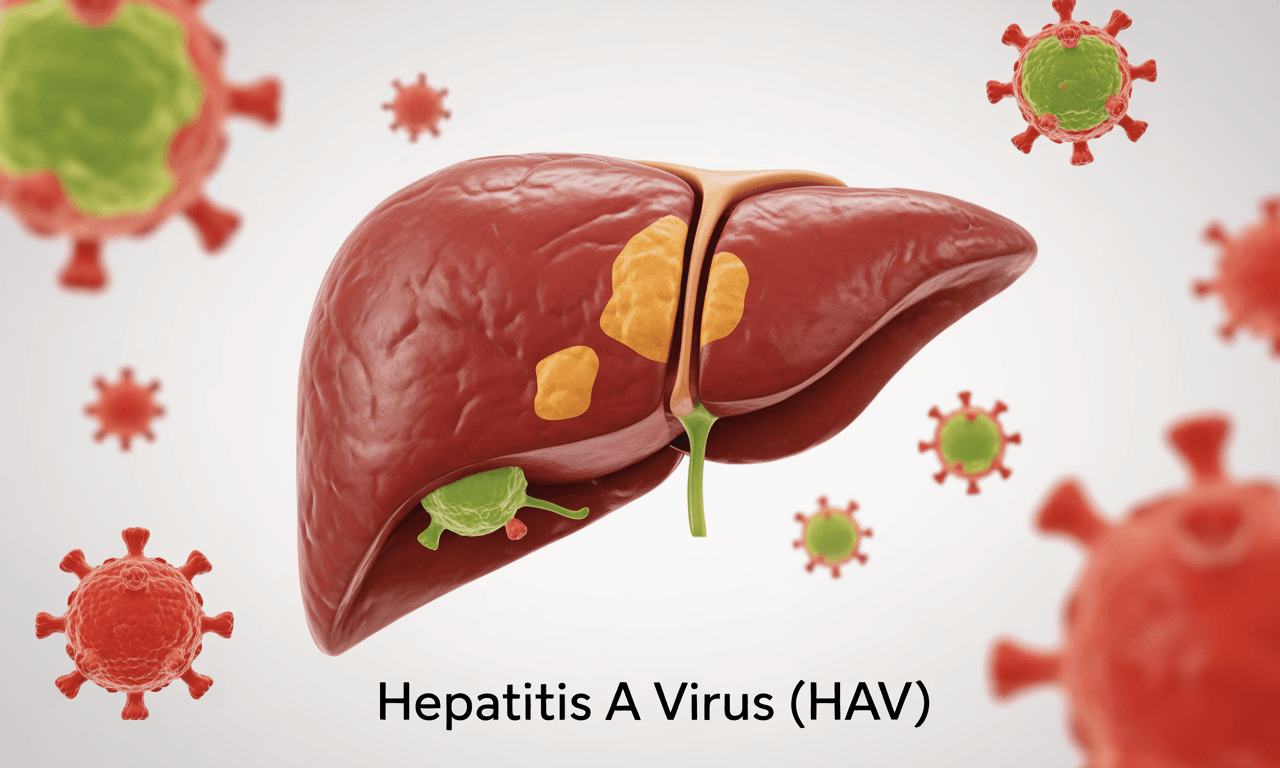
Hepatitis A is a contagious liver infection caused by the Hepatitis A virus (HAV), a single-stranded RNA virus. It primarily spreads through ingestion of contaminated food or water, leading to acute inflammation of the liver. Unlike Hepatitis B or C, Hepatitis A does not cause chronic liver disease, but it can cause significant morbidity, especially in adults. The infection is usually self-limiting, with full recovery within a few weeks to months.
Transmission Vectors and Incubation
HAV is transmitted via the fecal-oral route. Common transmission vectors include:
- Consumption of contaminated food or water
- Close personal contact with an infected individual (e.g., household or sexual contact)
- Poor sanitation and hygiene practices
- Travel to regions with high HAV prevalence
The incubation period typically ranges from 15 to 50 days (average 28 days). Viral shedding in stool begins 1–2 weeks before symptom onset and can persist for up to 3 weeks after, making early diagnosis critical to prevent spread.
Clinical Manifestations and Symptom Timeline
Symptoms can vary from mild to severe and often appear abruptly. The following table outlines the typical symptom timeline:
| Phase | Timeline | Common Symptoms |
|---|---|---|
| Incubation | 15–50 days | Asymptomatic; viral shedding begins |
| Prodromal | 1–7 days before jaundice | Fatigue, malaise, low-grade fever, loss of appetite, nausea |
| Icteric | 1–2 weeks after prodrome | Jaundice, dark urine, pale stools, abdominal pain (right upper quadrant) |
| Convalescent | 2–4 weeks after onset | Gradual resolution of symptoms; fatigue may persist |
Children under 6 years often have mild or no symptoms but can still transmit the virus. In adults, symptoms are more pronounced and can be debilitating.
Diagnostic Modalities and Molecular Testing
Accurate diagnosis is essential for clinical management and outbreak control. DNA Labs India offers advanced molecular diagnostics for Hepatitis A:
- Hepatitis A Virus (HAV) RNA Detection: A qualitative RT-PCR test that detects viral RNA in blood or stool, confirming active infection.
- Hepatitis A Virus (HAV) Viral Load: A quantitative RT-PCR test measuring viral RNA copies, useful for monitoring disease progression and viral clearance.
These molecular tests offer high sensitivity and specificity, enabling early detection even before seroconversion. Serological tests (IgM anti-HAV) are also available but may be less sensitive in early infection.
| Test | Sample | Purpose | TAT | Cost |
|---|---|---|---|---|
| HAV RNA Detection (Qualitative) | Blood or Stool | Confirm active infection | 1–2 days | [Insert Current 2026 Price] |
| HAV Viral Load (Quantitative) | Blood | Monitor viral load and clearance | 1–2 days | [Insert Current 2026 Price] |
Preventive Strategies and Vaccination
Prevention is the cornerstone of Hepatitis A control. Effective measures include:
- Vaccination: The inactivated Hepatitis A vaccine is highly immunogenic and recommended for all children at age 1, travelers to endemic areas, and high-risk groups (e.g., men who have sex with men, persons with chronic liver disease).
- Hand hygiene: Regular handwashing with soap and water, especially after using the toilet, before preparing food, and before eating.
- Food and water safety: Consume properly cooked food, drink treated or bottled water, and avoid raw shellfish or street food in high-risk areas.
- Sanitation: Improved community sanitation and safe disposal of feces reduce environmental contamination.
Treatment Protocols and Prognosis
There is no specific antiviral therapy for Hepatitis A. Management is supportive:
- Rest and adequate hydration
- Balanced diet to support liver regeneration
- Avoidance of alcohol and hepatotoxic medications (e.g., acetaminophen in high doses)
Most patients recover fully within 2–4 weeks, though fatigue may persist for months. Fulminant hepatitis is rare (less than 1% of cases) but can be fatal, particularly in older adults or those with pre-existing liver disease. Hospitalization may be required for severe dehydration or coagulopathy.
Public Health Impact and Awareness
Hepatitis A remains a global health burden, with an estimated 1.4 million cases annually. Outbreaks are often linked to contaminated food imports or inadequate sanitation. Public health strategies focus on vaccination campaigns, outbreak investigation, and health education to reduce transmission. Early diagnosis through molecular testing at ISO 9001 certified labs like DNA Labs India plays a pivotal role in controlling spread.
Conclusion
Hepatitis A is a preventable, self-limiting liver infection with excellent prognosis when managed appropriately. Vaccination, hygiene, and safe food practices are key preventive measures. Timely diagnosis using advanced molecular tests ensures effective patient management and outbreak containment. For reliable testing, trust DNA Labs India, an ISO 9001 certified laboratory.
Written by: DNA Labs India Editorial Team
Medically Reviewed by: Dr. A. Sharma, MD, Microbiologist
Last Updated: February 2026