


At a Glance
- Sample Required: Blood (serum or plasma)
- Fasting Rules: No fasting required
- Turnaround Time (TAT): 24-48 hours
- Base Cost: [Insert Current 2026 Price]
Written by: [Medical Writer] | Medically Reviewed by: [Dr. Name] | Last Updated: [Date]
What is Hepatitis B?
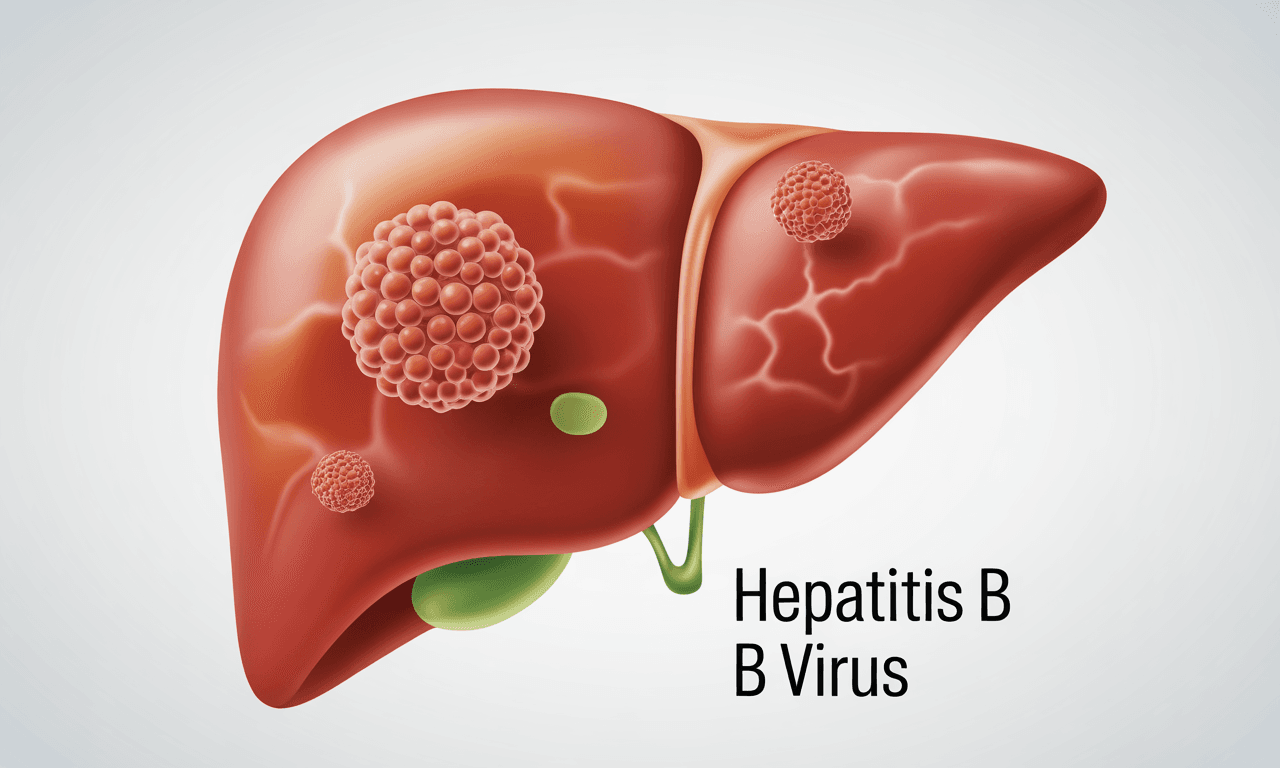
Hepatitis B is a serious liver infection caused by the Hepatitis B virus (HBV). It can lead to both acute and chronic liver disease, and if left untreated, may result in cirrhosis, liver failure, or liver cancer. The virus spreads primarily through blood and body fluids, making it a major global and national health concern.
HBV is highly resilient and can survive outside the body for at least 7 days, remaining infectious during this period. This underscores the importance of proper sterilization and safe handling of blood products.
Transmission Vectors and Incubation
Hepatitis B is highly infectious and spreads through contact with infected blood or bodily fluids. Common transmission routes include:
- Unprotected sex with an infected person
- Sharing needles or syringes
- Unsafe blood transfusions or medical procedures
- From an infected mother to her baby at birth (vertical transmission)
- Sharing personal items like razors or toothbrushes
Unlike Hepatitis A, Hepatitis B does not spread through food, water, or casual contact such as hugging or sharing utensils. The incubation period ranges from 1 to 4 months, during which the virus may be present without symptoms.
Clinical Presentation and Symptom Timeline
Symptoms may appear 1 to 4 months after exposure. Many people, especially children, may not show symptoms. When present, symptoms include:
- Fatigue and weakness
- Loss of appetite
- Fever and joint pain
- Nausea and vomiting
- Abdominal pain near the liver
- Dark urine and pale stools
- Jaundice (yellowing of skin and eyes)
Chronic Hepatitis B may remain silent for years before liver damage is detected. Early diagnosis via molecular testing is critical to prevent progression.
Diagnostic Modalities and Molecular Testing
Accurate diagnosis is key to managing Hepatitis B effectively. Several specialized tests help determine whether the virus is active, how infectious it is, and how severe the infection might be. These include:
- HBsAg (Hepatitis B surface antigen):Confirms current infection
- Anti-HBs (surface antibody):Shows immunity, either through past infection or vaccination
- Anti-HBc (core antibody): Detects previous or ongoing infection
- Hepatitis B Virus (HBV) Qualitative PCR Test: Confirms the presence of HBV DNA in the blood, indicating active infection. It's crucial for initial diagnosis, especially in early stages or low viral load cases.
- HBV Viral Load Quantitative Test: Measures the concentration of HBV DNA in the bloodstream. This test helps determine the severity of infection, monitor treatment response, and assess the risk of liver damage or transmission.
These tests help assess the infection stage, risk of liver damage, and guide treatment decisions. Molecular diagnostics (PCR) are the gold standard for detecting active viral replication.
| Test | Purpose | Interpretation |
|---|---|---|
| HBsAg | Confirms current infection | Positive indicates active HBV infection |
| Anti-HBs | Shows immunity | Positive indicates immunity from vaccination or past infection |
| Anti-HBc | Detects previous or ongoing infection | IgM positive indicates recent infection; IgG positive indicates past infection |
| HBV Qualitative PCR | Confirms presence of HBV DNA | Positive indicates active viral replication |
| HBV Quantitative PCR | Measures viral load | High levels indicate active infection and higher transmission risk |
Prevention Strategies and Vaccination
Preventing Hepatitis B is possible and highly effective through vaccination and safe practices:
- Vaccination: The Hepatitis B vaccine is safe and over 95% effective. It's part of the Universal Immunisation Programme in India.
- Safe sex practices: Use of condoms reduces risk.
- Avoid sharing needles or personal hygiene tools.
- Blood screening: Always ensure blood products are tested for HBV before transfusion.
- Maternal screening: Pregnant women should be screened to prevent mother-to-child transmission.
The World Health Organization (WHO) recommends universal hepatitis B vaccination for all infants, with the first dose given within 24 hours of birth.
Treatment Protocols and Prognosis
There is no cure for Hepatitis B, but antiviral medications can suppress the virus and reduce liver damage. Treatment options include:
- Antiviral therapy (e.g., Tenofovir, Entecavir)
- Regular liver function monitoring
- Lifestyle changes: Avoid alcohol, maintain liver-friendly diet
Many people with chronic Hepatitis B live long, healthy lives with proper care and regular check-ups. Early detection through molecular testing significantly improves outcomes.
Public Health Measures and Awareness
Hepatitis B is a vaccine-preventable disease. Despite this, millions remain undiagnosed due to lack of awareness and screening. National programs like the National Viral Hepatitis Control Programme (NVHCP) in India offer free testing and treatment services, especially for high-risk populations.
Awareness campaigns are critical in reducing the spread, especially in communities with limited access to healthcare. DNA Labs India is an ISO 9001 certified lab, ensuring reliable and accurate testing for Hepatitis B.
Conclusion
Hepatitis B is a serious but preventable liver infection. Early testing, safe practices, and vaccination are the best defenses. With increased public health efforts and awareness, we can control and eventually eliminate Hepatitis B as a major health threat.