
Leptospirosis Outbreak in Kozhikode: Dengue and Hepatitis A Cases Rise – 2025 Update
At a Glance: Leptospirosis, Dengue & Hepatitis A in Kozhikode
- Sample Required: Blood (serum or plasma) for serology and molecular tests
- Fasting Rules: No fasting required for leptospirosis, dengue, or hepatitis A testing
- Turnaround Time (TAT): 24–48 hours for RT-PCR; 2–3 days for serology
- Base Cost: [Insert Current 2026 Price] per test
Epidemiological Context and Outbreak Drivers
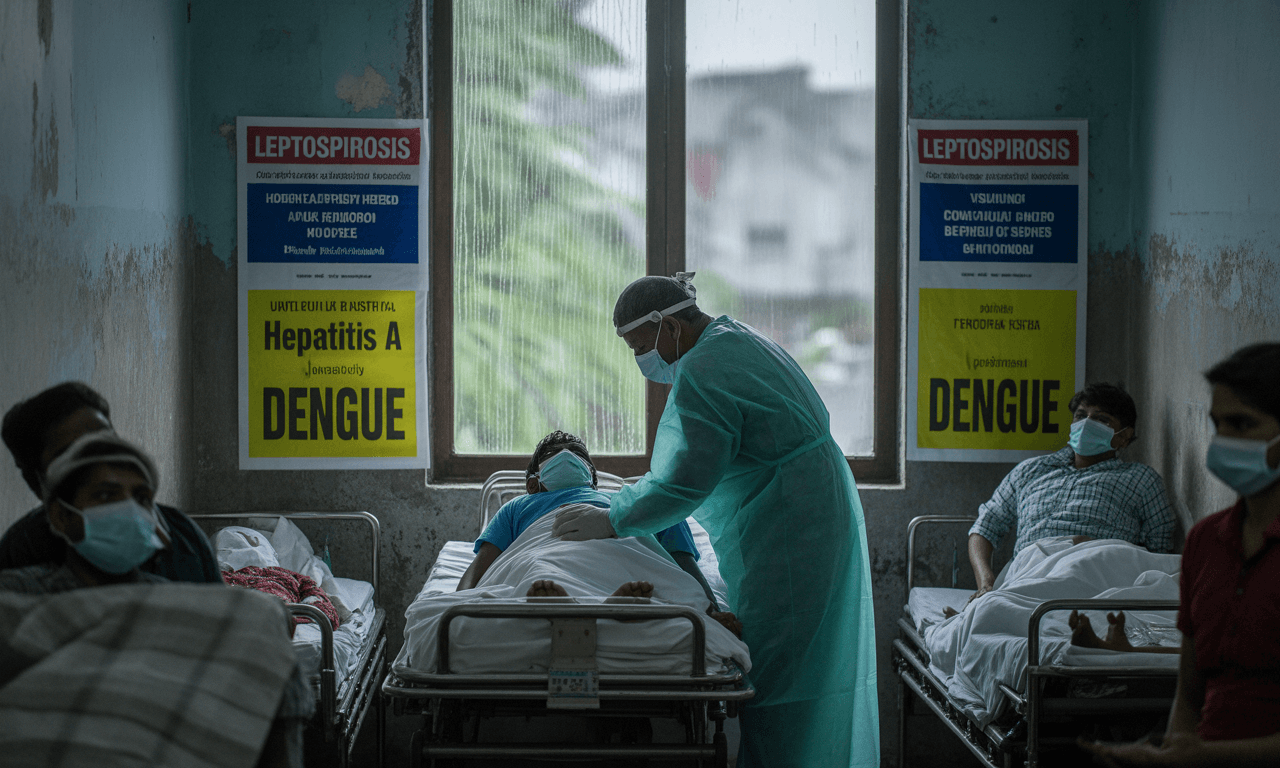
Kozhikode district is currently experiencing a triple burden of monsoon-related infections: leptospirosis, dengue, and hepatitis A. As of July 2025, hospitals are overwhelmed, with approximately 1,000 fever patients daily, many treated on floors due to bed shortages. The primary drivers are intense monsoon rains, leading to waterlogging and contamination of drinking water sources with sewage and animal urine. These conditions facilitate the spread of Leptospira bacteria, dengue virus (via Aedes mosquitoes), and hepatitis A virus (through fecal-oral transmission).
Transmission Vectors and Incubation
Leptospirosis is transmitted through contact with water or soil contaminated by urine of infected animals, particularly rats. The incubation period ranges from 2 to 30 days. Dengue is transmitted by the bite of an infected Aedes aegypti mosquito, with an incubation of 4–10 days. Hepatitis A spreads via ingestion of contaminated food or water, with an incubation of 15–50 days. Understanding these vectors is critical for targeted prevention.
Recent Statistics and Trends
In July 2025, Kozhikode reported at least 10 confirmed leptospirosis cases, with four deaths. Statewide, Kerala has recorded 33 leptospirosis deaths this year. Hepatitis A cases in Kozhikode have surpassed 200 this month, including one fatality, building on earlier statewide figures of over 3,227 cases and 16 deaths by mid-April. Dengue cases in Kozhikode exceed 100 since early July, part of Kerala's alarming trend of over 300 daily reports and 15 deaths statewide. These figures underscore the severity of the current outbreak.
Clinical Presentation and Symptom Differentiation
Early recognition of symptoms is vital for timely management. While fever is common to all three, specific features help differentiate them. The following table summarizes key symptoms:
| Symptom | Leptospirosis | Dengue | Hepatitis A |
|---|---|---|---|
| Fever | High, often >102°F | High, sudden onset | Mild to moderate |
| Muscle Pain | Severe, especially calves | Severe body aches | Mild |
| Jaundice | Possible | Rare | Common |
| Rash | Uncommon | Common | Rare |
| Nausea/Vomiting | Possible | Possible | Common |
Diagnostic Approaches and Testing
Accurate diagnosis is essential for appropriate management. DNA Labs India offers molecular diagnostics (RT-PCR) for leptospirosis, dengue, and hepatitis A, which provide high sensitivity and early detection. Serological tests (IgM ELISA) are also available for confirmation. For leptospirosis, the Microscopic Agglutination Test (MAT) remains the gold standard but is less practical for acute cases; RT-PCR is preferred in the first week of illness. Dengue NS1 antigen and IgM/IgG serology are used, while hepatitis A is confirmed via IgM anti-HAV. All tests are performed at our ISO 9001 certified laboratory, ensuring reliable results.
Prevention and Prophylaxis
Preventive measures are critical to curb the outbreak. For leptospirosis, avoid wading in floodwaters, wear protective footwear, and consider doxycycline prophylaxis for high-risk individuals. Dengue prevention focuses on eliminating mosquito breeding sites, using repellents, and wearing long-sleeved clothing. Hepatitis A is preventable through vaccination, safe drinking water (boiling or chlorination), and proper sanitation. The Kerala health department has issued alerts and is distributing prophylactic medications to vulnerable populations.
Public Health Response and Hospital Burden
Hospitals in Kozhikode are operating beyond capacity, with patients treated on floors due to bed shortages. The state health department has activated emergency protocols, including fever clinics and mobile health units. Residents are urged to report symptoms early and follow government advisories. The situation remains dynamic, and continuous monitoring is essential.
Frequently Asked Questions (FAQ)
What is causing the leptospirosis outbreak in Kozhikode?
The outbreak is primarily caused by heavy monsoon rains leading to waterlogging and contamination with animal urine, especially from rats, in floodwaters.
How many hepatitis A cases have been reported in Kozhikode recently?
As of July 2025, over 200 hepatitis A cases have been confirmed, with one death, amid a broader spike in waterborne diseases.
What are the symptoms of dengue fever?
Common symptoms include high fever, severe body aches, headaches, rash, and in severe cases, bleeding or shock. Seek immediate medical attention if these appear.
How can I prevent monsoon diseases like these?
Boil drinking water, use mosquito repellents, wear protective gear in flooded areas, eliminate stagnant water, and take prophylactic medication if at high risk.
Is there a viral fever spike in Kerala right now?
Yes, there's a significant spike driven by leptospirosis, hepatitis A, and dengue, with Kozhikode reporting high daily cases and hospital overloads.
What is the meaning of leptospirosis in Kerala?
In Kerala, leptospirosis is commonly known as "rat fever" or "eli pani" (എലി പനി) in Malayalam, referring to a bacterial infection often linked to rat urine contamination during monsoons.
What is the definition of leptospirosis?
Leptospirosis is a bacterial infection caused by Leptospira bacteria, typically spread through water or soil contaminated with animal urine, leading to symptoms like fever and muscle pain if untreated.
What is the recovery time for hepatitis A?
Recovery time usually ranges from 2 to 6 weeks for most people, with full recovery possible through rest, hydration, and supportive care, though severe cases may take longer.
Is hepatitis A curable?
Yes, hepatitis A is curable and often self-limiting, meaning the body fights it off with supportive treatment like rest and nutrition; vaccines are available for prevention, but there's no specific antiviral cure.
What are the symptoms of dengue fever in Malayalam?
Dengue fever symptoms in Malayalam include ഉയർന്ന പനി (uyarnna pani - high fever), കടുത്ത ശരീര വേദന (kadutha shareera vedana - severe body aches), തലവേദന (thalavedana - headache), ചുണങ്ങ് (chunang - rash), and severe cases-ൽ രക്തസ്രാവം അല്ലെങ്കിൽ ഷോക്ക് (rakthasravam allenkil shock - bleeding or shock). If these occur, seek medical help immediately.
Why Choose DNA Labs India for Testing?
DNA Labs India is an ISO 9001 certified laboratory committed to accurate and timely diagnostics. Our state-of-the-art molecular biology department uses RT-PCR and serological methods to detect leptospirosis, dengue, and hepatitis A with high sensitivity. We provide comprehensive reports with clinical interpretations to aid physicians in patient management. For more information or to book a test, visit our website or contact our helpline.