


Written by: Dr. A. Sharma, MBBS, MD (Internal Medicine)
Medically Reviewed by: Dr. R. Iyer, MD (Microbiology)
Last Updated: February 2026
At a Glance
- Sample Required: Blood sample
- Fasting Rules: No fasting required
- Turnaround Time (TAT): 4–6 working days
- Base Cost: [Insert Current 2026 Price]
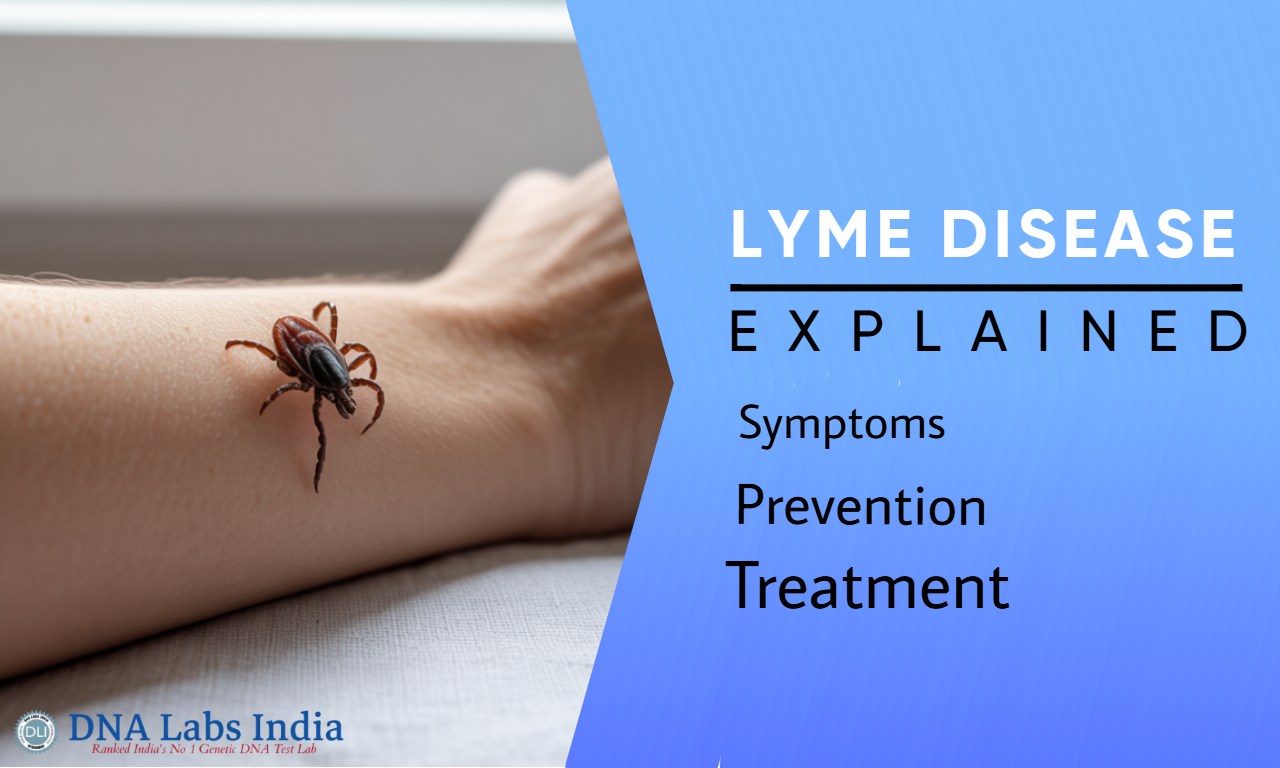
Lyme disease is a tick-borne infection caused by the bacterium Borrelia burgdorferi. It spreads through the bite of infected black-legged ticks (deer ticks). While the disease is more common in North America and Europe, awareness is important worldwide, including in India, where travel and outdoor exposure may increase the risk.
If you are wondering “what’s Lyme disease?” — it is an infectious condition that can affect multiple systems in the body, including the skin, joints, heart, and nervous system. Early diagnosis and timely treatment are crucial to prevent long-term complications.
Transmission Vectors and Incubation
Lyme disease is transmitted through the bite of infected Ixodes ticks (black-legged ticks). The incubation period—time from tick bite to symptom onset—typically ranges from 3 to 30 days. Not all tick bites result in infection, and early removal of the tick within 24–48 hours significantly reduces transmission risk.
Early Symptoms of Lyme Disease
Symptoms usually appear within 3 to 30 days of a tick bite. The hallmark is an expanding red rash (erythema migrans), but not all patients develop it. Other early symptoms include:
- Fever, chills, and fatigue
- Muscle and joint aches
- Headache and swollen lymph nodes
| Stage | Timeline | Common Symptoms |
|---|---|---|
| Early Localized | 3–30 days | Erythema migrans rash, fever, fatigue, headache |
| Early Disseminated | Days to weeks | Multiple rashes, joint pain, neurological symptoms (facial palsy, meningitis) |
| Late Persistent | Months to years | Arthritis, chronic neurological issues, cognitive impairment |
Neurological Lyme Disease
If untreated, Lyme disease can spread to the nervous system, leading to neurological Lyme disease. Symptoms may include:
- Facial palsy (drooping of one or both sides of the face)
- Severe headaches and neck stiffness
- Tingling, numbness, or shooting pains in arms and legs
- Memory issues or difficulty concentrating
In some cases, chronic neurological Lyme disease may develop, where nerve-related symptoms persist even after treatment.
Advanced Symptoms (If Untreated)
If left untreated, Lyme disease can spread to the joints, heart, and nervous system. Advanced symptoms include:
- Arthritis with joint swelling (often in the knees)
- Irregular heartbeat or chest pain
- Severe fatigue and nerve pain
- Cognitive difficulties (sometimes mistaken for other neurological disorders)
Can Lyme Disease Be Fatal?
Many people ask, “Can Lyme disease kill you?” While it is rarely fatal, untreated Lyme disease can cause serious complications such as heart rhythm disturbances, meningitis, or severe neurological issues. Early diagnosis and treatment are key to preventing life-threatening outcomes.
Diagnosis of Lyme Disease
Doctors rely on:
- Patient history (possible tick exposure)
- Physical signs (rash, fever, joint issues)
- Laboratory tests — Two-tier testing is recommended: first an ELISA screening, followed by a confirmatory IgG Immunoblot (Western blot) if the ELISA is positive or equivocal.
In early infection, PCR on blood or synovial fluid may be used as an adjunct, but serology remains the mainstay.
Lyme Disease Test at DNA Labs India
To confirm the infection, DNA Labs India offers the: