

Nipah Virus in Kerala: Symptoms, Transmission, and Diagnostic Testing
At a Glance
- Sample Required: Blood or Cerebrospinal Fluid (CSF)
- Fasting Rules: Not required
- Turnaround Time (TAT): 24–48 hours
- Base Cost: [Insert Current 2026 Price]
What is Nipah Virus?
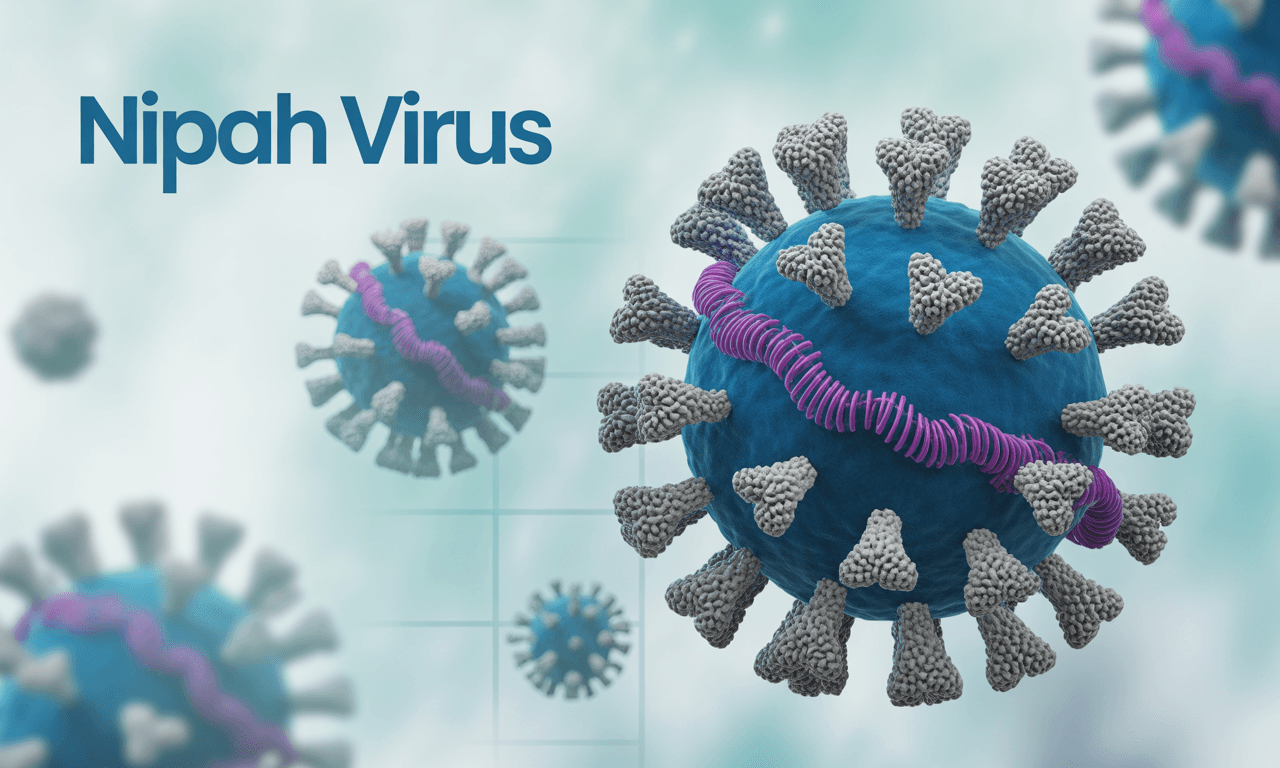
Nipah virus (NiV) is a zoonotic virus—transmitted from animals to humans—first identified in 1998 in Malaysia. It causes severe respiratory and neurological illness, with a high fatality rate. Early detection and containment are critical to preventing outbreaks.
Transmission Vectors and Incubation
The primary reservoir is fruit bats (flying foxes). Human infection occurs through:
- Consumption of fruit or raw palm sap contaminated by bat saliva or urine
- Direct contact with infected animals (e.g., pigs, bats)
- Close contact with infected individuals, especially in healthcare or caregiving settings
Person-to-person transmission has been confirmed in past outbreaks, particularly in Bangladesh and India. The incubation period ranges from 4 to 14 days.
Symptom Timeline and Clinical Progression
| Phase | Symptoms | Onset |
|---|---|---|
| Early | Fever, headache, muscle pain, vomiting, sore throat | 4–14 days post-exposure |
| Progressive | Drowsiness, confusion, seizures, encephalitis | Within 1–2 weeks |
| Severe | Coma, respiratory distress, fatal outcome | Rapid progression |
Kerala Outbreak Status
As of the latest update, six districts in Kerala are under surveillance: Palakkad, Malappuram, Kozhikode, Kannur, Wayanad, and Thrissur. Containment zones have been declared, and contact tracing is ongoing. Health authorities are coordinating with certified laboratories to ensure rapid diagnosis.
Prevention and Protective Measures
Recommended Actions
- Practice regular handwashing and wear masks in public or hospital settings
- Report symptoms early; avoid self-medication
- Limit visits to healthcare facilities unless essential
- Stay updated via credible sources like health department bulletins
Avoid These
- Consuming raw palm sap or exposed fruit
- Contact with bats or sick animals
- Spreading unverified information
Diagnosis and Testing
Early diagnosis is crucial. Molecular diagnostics, specifically RT-PCR (Reverse Transcription Polymerase Chain Reaction), are the gold standard for detecting Nipah virus RNA. This test is highly sensitive and specific, enabling timely intervention.
For those concerned about exposure or symptoms, Nipah virus testing is available at DNA Labs India. Early detection plays a vital role in controlling the spread of the virus. Learn more about the Nipah Virus RNA Detection (Qualitative) Test.
Public Awareness and Responsibility
The most effective way to contain Nipah virus is through awareness, early action, and responsible behavior. Understanding transmission and protective measures empowers individuals and communities. Let’s work together to minimize risk—through facts, not fear.