


At a Glance
- Sample Required: Blood or stool (as per clinical indication)
- Fasting Rules: Fasting may be required for certain blood tests (e.g., lipid profile)
- Turnaround Time (TAT): 24–48 hours for routine tests
- Base Cost: [Insert Current 2026 Price]
The small intestine is a long, coiled tube in the digestive tract located between the stomach and the large intestine. Although it's called "small" due to its narrow diameter, it's actually the longest part of the digestive system, measuring about 6 to 7 meters (20 to 23 feet) in length. Its primary role is to finish breaking down food and absorb most of the nutrients and water your body needs.
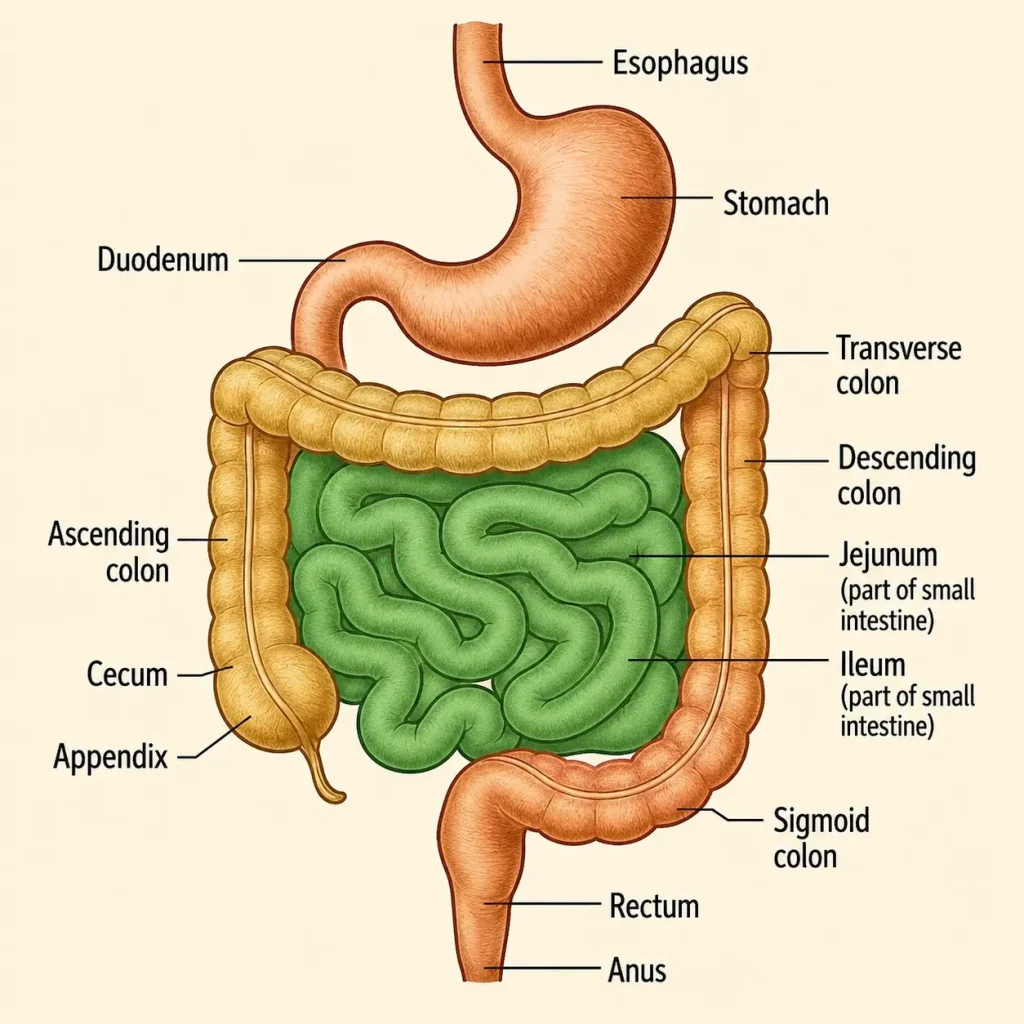
What Is the Small Intestine?
The small intestine is the central part of your digestive process. It receives partially digested food from the stomach and is made up of three main parts:
- Duodenum
- Jejunum
- Ileum
Its key responsibilities are to digest food even further and absorb vital nutrients into the bloodstream.
Main Functions
- Completes digestion: Uses digestive enzymes and bile to break down carbohydrates, proteins, and fats.
- Absorbs nutrients and water: The small intestine is the primary site for nutrient absorption—vitamins, minerals, sugars, amino acids, fatty acids, and much of the water you consume enter your bloodstream here.
- Transports nutrients: Moves absorbed nutrients into the blood for distribution to the rest of the body.
- Delivers waste: Passes unabsorbed waste to the large intestine.
Anatomy Overview
| Part | Location/Feature | Function |
|---|---|---|
| Duodenum | First section (next to stomach) | Receives food from stomach; mixes with bile and enzymes for further breakdown |
| Jejunum | Middle section | Main site for absorption of most nutrients |
| Ileum | Last section (before large intestine) | Absorbs remaining nutrients, especially vitamin B12 and bile salts; passes waste to large intestine |
Common Issues of the Small Intestine
Several conditions can affect the small intestine, such as:
- Celiac disease
- Crohn’s disease
- Intestinal infections
- Small intestine bacterial overgrowth (SIBO)
- Intestinal obstruction or blockages
- Malabsorption syndromes
Warning Signs to Watch For
- Persistent abdominal pain or bloating
- Chronic diarrhea or greasy stools
- Unintentional weight loss
- Anemia or nutrient deficiencies
- Unexplained fatigue
Diagnostic Tests for Small Intestine Health
At DNA Labs India, we offer advanced diagnostic testing to evaluate small intestine function and identify underlying conditions. These include:
- Genetic Testing for Celiac Disease: HLA-DQ2/DQ8 genotyping to assess genetic predisposition.
- Stool Analysis: Detection of infections, inflammation, or malabsorption markers.
- Blood Tests: Nutrient deficiency panels (e.g., vitamin B12, iron) and inflammatory markers.
- Breath Tests: For SIBO and lactose intolerance.
Best Practices for a Healthy Small Intestine
To maintain a healthy small intestine and optimal nutrient absorption:
- Eat a varied, balanced diet: Focus on fruits, vegetables, whole grains, and lean proteins.
- Practice food safety: Avoid undercooked or contaminated food to prevent infections.
- Stay hydrated: Adequate fluid intake supports digestion and nutrient transport.
- Limit processed foods and excess sugar.
- Monitor for food sensitivities: Address any issues with gluten, lactose, or other ingredients.
- Regular health check-ups: Screenings can identify digestive or absorption issues early—especially if you have ongoing symptoms or family history of GI diseases.
When Should You Consult a Doctor?
See a healthcare professional if you experience:
- Ongoing digestive discomfort, chronic diarrhea, or bloating
- Sudden or unexplained weight loss
- Persistent fatigue or signs of nutrient deficiency
Prompt diagnosis and management can greatly improve quality of life and prevent complications.
Conclusion
The small intestine is fundamental to your nutrition and digestive health. With healthy habits, regular monitoring, and timely medical advice, you can safeguard your digestive system. For personalized health evaluations or information about genetic testing related to digestive disorders, contact DNA Labs India today.
Written by: [Medical Writer]
Medically Reviewed by: Dr. [Name], Medical Geneticist
Last Updated: [Current Date]