

Stroke: Causes, Symptoms, Prevention & Risk Factors
Quick Facts at a Glance
- Sample Required: Blood sample for risk factor assessment (lipid profile, blood sugar, coagulation panel)
- Fasting Rules: Fasting for 8-12 hours for lipid profile
- Turnaround Time (TAT): 24-48 hours for routine blood tests
- Base Cost: [Insert Current 2026 Price]
What is a Stroke?
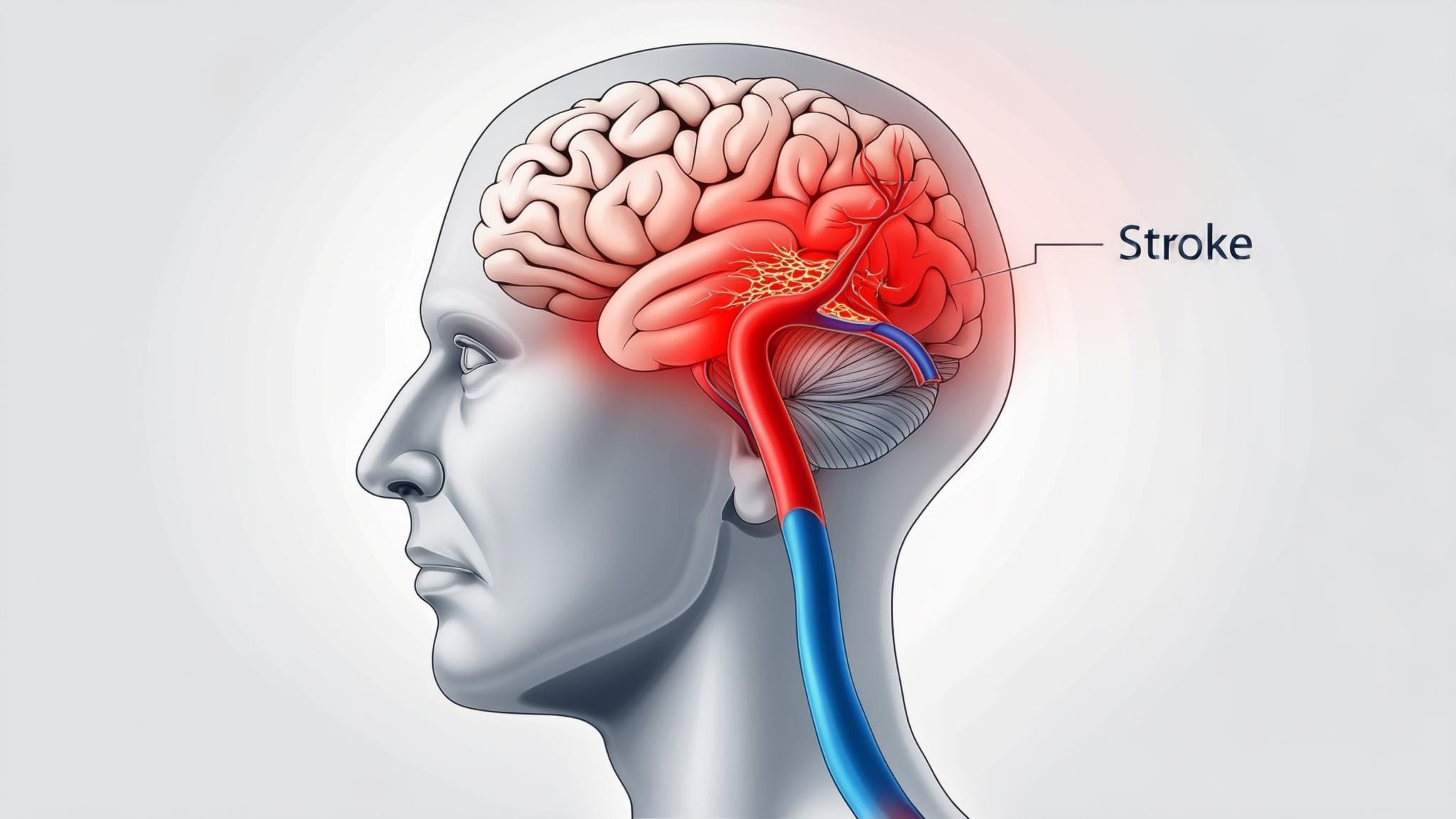
A stroke occurs when blood flow to a part of the brain is interrupted or reduced, depriving brain tissue of oxygen and nutrients. Within minutes, brain cells begin to die. Prompt treatment is crucial to minimize brain damage and improve recovery. Stroke is a medical emergency that requires immediate attention.
Ischemic vs. Hemorrhagic Stroke
There are two major types of stroke:
- Ischemic Stroke: Caused by a blockage (blood clot or plaque) that prevents blood from reaching parts of the brain. It accounts for nearly 87% of all strokes.
- Hemorrhagic Stroke: Occurs when a blood vessel in the brain bursts, causing bleeding and pressure on the brain. It's less common but often more severe.
Another condition is a Transient Ischemic Attack (TIA) or "mini-stroke," where symptoms last briefly and resolve on their own, but it's a strong warning sign of an impending stroke and requires immediate medical evaluation.
| Feature | Ischemic Stroke | Hemorrhagic Stroke |
|---|---|---|
| Cause | Blockage (clot or plaque) | Bleeding (vessel rupture) |
| Prevalence | ~87% of all strokes | ~13% of all strokes |
| Onset | Often gradual or upon waking | Sudden, often with severe headache |
| Treatment | Clot-busting drugs (tPA), thrombectomy | Surgical intervention, blood pressure control |
Stroke Causes & Warning Signs
Common Causes of Stroke
- High blood pressure (hypertension) – the leading cause
- High cholesterol and atherosclerosis
- Blood clots or embolisms (often from the heart, e.g., atrial fibrillation)
- Diabetes and other metabolic disorders
- Smoking, obesity, and physical inactivity
Common Stroke Symptoms – Use the FAST Test
- F – Face drooping on one side
- A – Arm weakness or numbness
- S – Speech difficulty (slurred or incoherent)
- T – Time to call emergency help immediately
Additional symptoms: sudden vision loss, confusion, dizziness, severe headache, or trouble walking. If any of these occur, call emergency services right away.
How to Prevent a Stroke
- Keep blood pressure under control (target < 120/80 mmHg if possible)
- Eat a heart-healthy diet low in salt, sugar, and saturated fats
- Exercise regularly – at least 150 minutes of moderate activity per week
- Manage diabetes and heart conditions (e.g., atrial fibrillation)
- Stop smoking and limit alcohol consumption
- Get regular medical checkups, including blood tests for cholesterol and blood sugar
- Reduce stress through mindfulness, yoga, or hobbies
Who Is at Risk?
Stroke can happen to anyone, but certain risk factors increase your chances.
Uncontrollable Risk Factors
- Age (risk increases after 55)
- Family history of stroke
- Sex (males are more likely, but females often have worse outcomes)
- Race/ethnicity (higher risk in African Americans, Hispanics, and Asian Americans)
Controllable Risk Factors
- High blood pressure or cholesterol
- Smoking, alcohol, or drug use
- Obesity and lack of exercise
- Poor diet and chronic stress
- Unmanaged chronic conditions like diabetes
FAQs About Stroke
1. What is the difference between a stroke and a TIA?
A TIA (Transient Ischemic Attack) is a temporary blockage that causes stroke-like symptoms but resolves within 24 hours. However, it is a major warning sign of a future stroke and requires immediate medical evaluation.
2. Can young adults get strokes?
Yes. Strokes are rising in younger populations due to sedentary lifestyles, stress, and unmanaged health risks like high blood pressure or diabetes. Regular health screenings are essential.
3. Can stroke be treated?
Yes, especially if caught early. Treatments include blood thinners, clot-busting drugs (tPA), surgical procedures, and rehabilitation therapies. Time is critical.
4. Is stroke preventable?
Up to 80% of strokes are preventable with healthy lifestyle choices and regular health screening. Early detection of risk factors like hypertension and diabetes is key.
5. What should I do in case of a stroke?
Call emergency services immediately. Do not wait. The faster you act, the better the recovery chances. Note the time symptoms started.
How DNA Labs India Can Help
At DNA Labs India, an ISO 9001 certified lab, we offer comprehensive health screening packages that assess your stroke risk. Our tests include lipid profiles, blood sugar, HbA1c, and coagulation panels. Early detection through regular checkups can significantly reduce your stroke risk.
Written by: Dr. A. Sharma, MBBS, MD (Internal Medicine)
Medically Reviewed by: Dr. R. Patel, MD (Neurology)
Last Updated: March 2026