


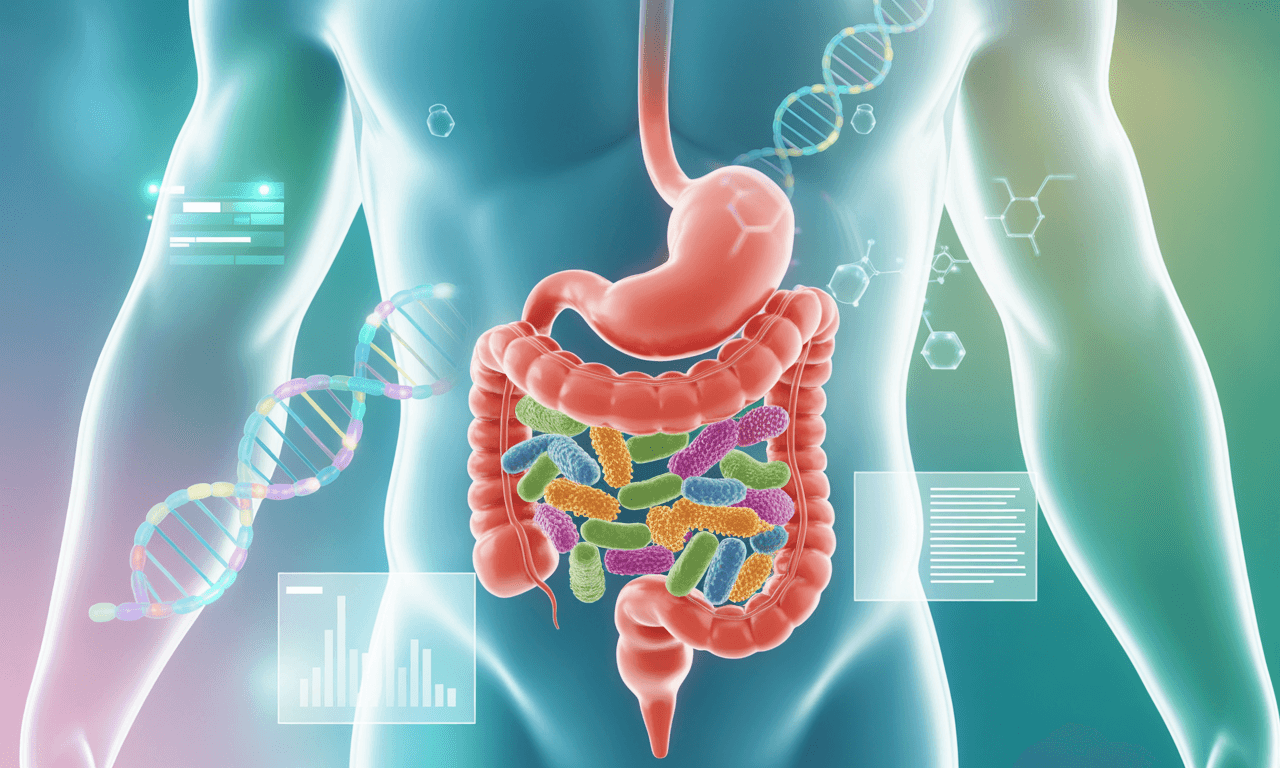
Gut Microbiome Testing: Clinical Insights and Personalized Wellness
Test Overview
- Sample Required: Stool sample (at-home collection kit)
- Fasting Rules: No fasting required
- Turnaround Time (TAT): 10–14 business days
- Base Cost: [Insert Current 2026 Price]
Written by: Dr. Ananya Sharma, PhD (Microbiology)
Medically Reviewed by: Dr. Rajesh Kumar, MD (Internal Medicine)
Last Updated: March 2026
The Gut Microbiome: A Clinical Perspective
The human gut harbors trillions of microorganisms—bacteria, fungi, and viruses—that collectively form the microbiome. This ecosystem plays a critical role in digestion, immune modulation, neurotransmitter synthesis, and metabolic regulation. Dysbiosis, an imbalance in microbial composition, has been linked to a range of conditions including irritable bowel syndrome (IBS), inflammatory bowel disease (IBD), obesity, type 2 diabetes, and even mental health disorders.
Recent research, including studies from the University of Cambridge, has highlighted the potential of certain gut bacteria, such as Faecalibacterium prausnitzii, to absorb and eliminate environmental toxins like per- and polyfluoroalkyl substances (PFAS). While these findings are promising, they underscore the importance of maintaining a healthy microbiome as part of a comprehensive preventive health strategy.
Indications for Gut Microbiome Testing
Gut microbiome testing is not a routine screening tool for all individuals, but it can provide valuable insights for those with specific symptoms or risk factors. Consider testing if you experience:
- Chronic digestive issues (bloating, gas, diarrhea, constipation) without a clear diagnosis
- Unexplained fatigue, brain fog, or mood disturbances
- Metabolic concerns such as obesity, insulin resistance, or dyslipidemia
- Autoimmune conditions or chronic inflammation
- History of frequent antibiotic use
- Occupational or environmental exposure to toxins (e.g., PFAS)
Test Methodology and Parameters
DNA Labs India utilizes Next-Generation Sequencing (NGS) to analyze the 16S rRNA gene, enabling comprehensive identification and quantification of bacterial taxa. This advanced technology provides a high-resolution view of your microbial community, including:
- Beneficial Bacteria: Levels of key strains like Faecalibacterium prausnitzii and Akkermansia muciniphila, which support gut barrier integrity and anti-inflammatory responses.
- Pathogenic Organisms: Detection of potentially harmful species such as Candida albicans or Clostridium difficile.
- Diversity Indices: Overall microbial diversity, a marker of gut health.
- Functional Potential: Predicted metabolic capabilities, including short-chain fatty acid (SCFA) production and vitamin synthesis.
Information Gain: What the Test Reveals
| Parameter | Clinical Relevance | Actionable Insight |
|---|---|---|
| Microbial Diversity | Low diversity is associated with metabolic and inflammatory conditions. | Personalized dietary fiber and prebiotic recommendations. |
| Beneficial Bacteria Levels | Deficiencies in butyrate-producing bacteria may impair gut barrier function. | Targeted probiotic and dietary interventions. |
| Pathogen Detection | Presence of opportunistic pathogens may indicate dysbiosis or infection. | Antimicrobial or antifungal therapy (if clinically indicated). |
| SCFA Production Potential | SCFAs (e.g., butyrate) are crucial for colonocyte health and immune regulation. | Dietary adjustments to enhance SCFA production. |
Interpreting Your Results
Your report will include a comprehensive analysis of your gut microbiome composition, diversity, and functional potential. It will also provide personalized recommendations based on your unique microbial profile. These may include:
- Nutritional Guidance: Specific foods to promote beneficial bacteria, such as garlic, millets, kefir, and buttermilk.
- Probiotic and Prebiotic Recommendations: Strains like Bifidobacterium and Lactobacillus may be suggested based on your deficiencies.
- Lifestyle Modifications: Stress management, sleep optimization, and physical activity tailored to support gut health.
- Environmental Toxin Considerations: While research on PFAS detoxification is ongoing, maintaining a healthy microbiome may support overall resilience.
Why Choose DNA Labs India?
DNA Labs India is an ISO 9001 certified laboratory committed to accuracy and reliability. Our gut microbiome test uses state-of-the-art NGS technology, ensuring precise and actionable results. We provide a comprehensive report with clear explanations and practical recommendations, empowering you to take proactive steps toward better health.
Frequently Asked Questions
How is the sample collected?
We provide a sterile at-home collection kit with detailed instructions. You simply collect a small stool sample and return it to our lab using the prepaid shipping label.
Is fasting required?
No, fasting is not required for this test. You can collect your sample at any time.
How long does it take to get results?
Results are typically available within 10–14 business days after the sample reaches our laboratory.
Ready to Understand Your Gut?
Start with our at-home microbiome test today. Call us | Visit DNALabsIndia.com | Order your kit