
16S rRNA Sequencing Test
Short Name: 16S rRNA Seq
Also known as: 16S Ribosomal RNA Sequencing, 16S rRNA Gene Sequencing, Bacterial 16S Sequencing, Microbiome 16S Analysis
16S rRNA Sequencing Test test available at DNA Labs India for ₹5,000. Uses 16S rRNA Gene Amplification (PCR), Next-Generation Sequencing (NGS), Bioinformatics Pipeline Analysis on Extracted DNA / Clinical Specimens (Body Fluids, Tissue, Stool, Swabs) samples. Results in Results are typically available within 2 weeks of sample receipt at the laboratory. You will be notified via your preferred communication channel (online portal, email, or WhatsApp) once the report is ready.. Free home collection in 300+ cities across India.

🩺 Medically Reviewed By
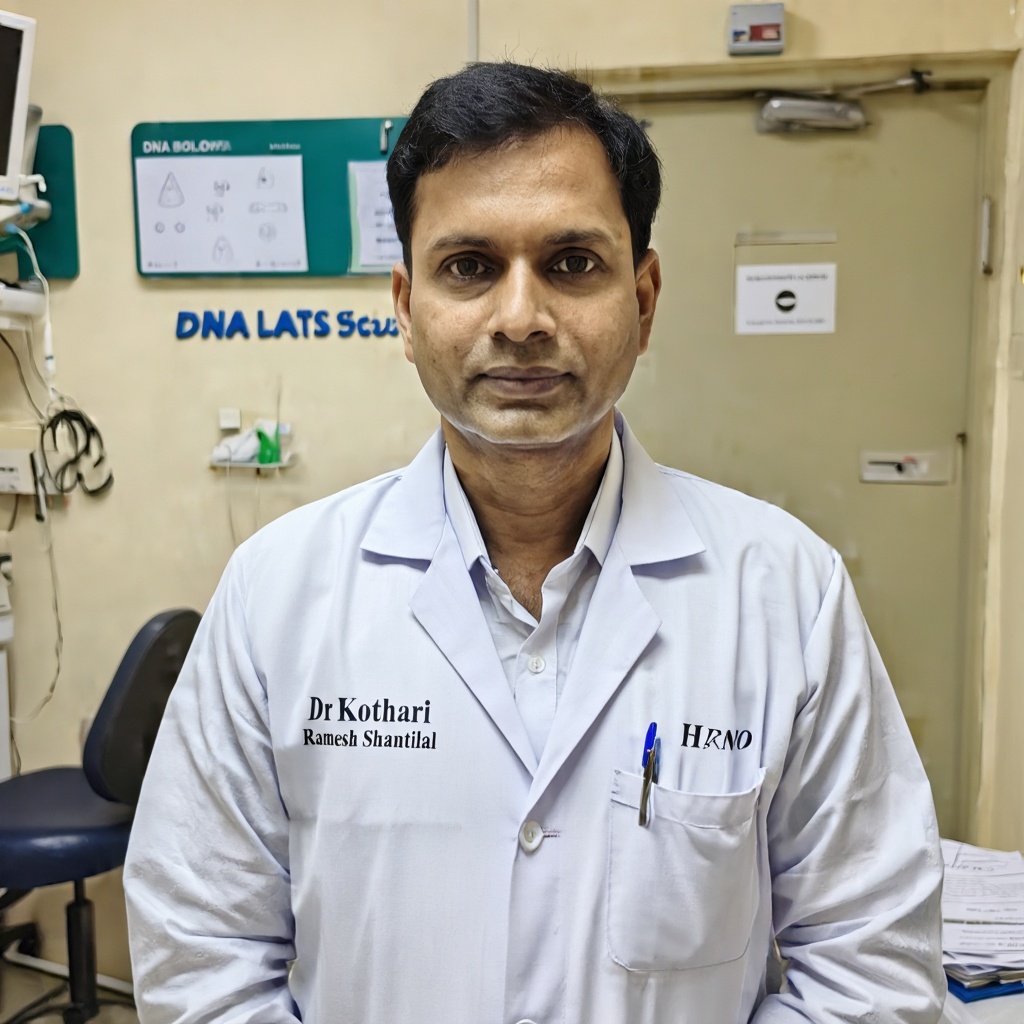
Dr Kothari Ramesh Shantilal
Consultant Microbiologist · Reg: 27670
Last reviewed: September 7, 2026
Overview
The primary purpose of 16S rRNA Sequencing is to identify bacterial species present in a clinical or research sample by analyzing the 16S ribosomal RNA gene. This test is specifically designed to detect bacteria that are difficult or impossible to grow using standard culture methods, including slow-growing, fastidious, and obligate intracellular organisms. It serves as a critical diagnostic tool for culture-negative infections, fever of unknown origin, and deep-seated infections where rapid and accurate pathogen identification is essential for targeted therapy. Additionally, it is widely used in microbiome research to characterize the bacterial composition of various body sites, including the gut, skin, and oral cavity, supporting studies in inflammatory bowel disease, irritable bowel syndrome, and other microbiome-associated conditions.
- Test Code
- 3397
- Price
- ₹5,000
- Sample Type
- Extracted DNA / Clinical Specimens (Body Fluids, Tissue, Stool, Swabs)
- Result Time
- Results are typically available within 2 weeks of sample receipt at the laboratory. You will be notified via your preferred communication channel (online portal, email, or WhatsApp) once the report is ready.
- Fasting Required
- No
- Method
- 16S rRNA Gene Amplification (PCR), Next-Generation Sequencing (NGS), Bioinformatics Pipeline Analysis
Sample Collection
No fasting is required. Inform your doctor about any current medications, especially antibiotics, as they may affect bacterial DNA detection. Follow any specific sample collection instructions provided by your physician. Use only sterile containers provided by DNA Labs India for fluid and tissue samples.
Method: Sterile collection by trained healthcare professional
Laboratory Analysis
A trained healthcare professional will collect the appropriate clinical specimen using sterile technique. Sample types include body fluids (CSF, synovial fluid, pleural fluid), pus, tissue biopsies, stool, and swabs from infection sites. The collection method varies based on sample type and clinical indication.
Report Delivery
The collected sample is labeled, sealed, and transported under appropriate conditions to our laboratory. No special post-collection care is required for the patient. Results will be available within 2 weeks via the online portal, email, or WhatsApp.
Timeline: Results are typically available within 2 weeks of sample receipt at the laboratory. You will be notified via your preferred communication channel (online portal, email, or WhatsApp) once the report is ready.
Patient Instructions
About This Test
Who Should Get This Test
The primary purpose of 16S rRNA Sequencing is to identify bacterial species present in a clinical or research sample by analyzing the 16S ribosomal RNA gene. This test is specifically designed to detect bacteria that are difficult or impossible to grow using standard culture methods, including slow-growing, fastidious, and obligate intracellular organisms. It serves as a critical diagnostic tool for culture-negative infections, fever of unknown origin, and deep-seated infections where rapid and accurate pathogen identification is essential for targeted therapy. Additionally, it is widely used in microbiome research to characterize the bacterial composition of various body sites, including the gut, skin, and oral cavity, supporting studies in inflammatory bowel disease, irritable bowel syndrome, and other microbiome-associated conditions.
How to Prepare
- Use only sterile, leak-proof containers provided by DNA Labs India.
- Label each sample clearly with patient name, date of collection, and sample type.
- For fluid samples, avoid contamination with normal flora during collection.
- Stool samples should be collected in the provided container without urine contamination.
- Tissue samples should be placed in sterile saline or approved transport medium immediately after collection.
- Extracted DNA should be transported in DNA-free tubes at appropriate temperature as advised.
Doctor's Notes
Reviewed by Dr Kothari Ramesh Shantilal — MBBS, MD (Microbiology) · Reg. No. 27670
"As an Infectious Disease specialist, I frequently encounter cases where standard cultures fail to identify the causative pathogen. 16S rRNA sequencing has transformed our diagnostic approach in such scenarios—particularly in culture-negative endocarditis, prosthetic joint infections, and neurological infections. This test provides a culture-independent method to detect bacterial DNA, often resolving diagnostic dilemmas that would otherwise remain unsolved. I recommend this test when conventional microbiological methods are inconclusive, when patients present with chronic or recurrent infections, or when fastidious organisms are suspected. However, clinicians should note that this test identifies bacterial presence but does not replace antibiotic susceptibility testing. Results should always be interpreted in conjunction with the patient's clinical presentation and other laboratory findings."
Last medically reviewed: September 7, 2026
Test Parameters & Specifications
Sample Stability
- Leaking, unlabeled, or improperly labeled containers.
- Samples stored beyond the recommended stability period.
- Heavily contaminated samples that compromise analysis integrity.
- Insufficient sample volume or quantity for DNA extraction.
- Samples received without proper documentation or requisition form.
Understanding Your Results
A likely causative pathogen has been identified. Correlate with clinical presentation and consider targeted antimicrobial therapy in consultation with the treating physician.
May indicate a polymicrobial infection or contamination with normal flora. Clinical correlation is essential to distinguish pathogens from commensal organisms based on the sample site.
The sample may not contain bacteria, or the bacterial load is below the detection threshold. Consider alternative diagnoses including viral, fungal, or non-infectious etiologies.
May explain a previously undiagnosed infection. Discuss findings with an infectious disease specialist to determine appropriate targeted therapy.
Reduced microbial diversity may be associated with dysbiosis, inflammatory bowel disease, or recent antibiotic use. Clinical correlation and longitudinal assessment may be warranted.
Consult your treating physician or an infectious disease specialist to interpret the results in the context of your clinical condition. Do not self-medicate or alter any treatment based solely on this report. If the test identifies an unexpected organism, seek specialist guidance for appropriate management.
Limitations
- ⚠Cannot provide antibiotic susceptibility data; a separate culture and sensitivity test is required for antimicrobial guidance.
- ⚠Taxonomic resolution may be limited to genus level for certain bacterial species due to conserved 16S gene regions.
- ⚠Does not detect viruses, fungi, parasites, or other non-bacterial organisms.
- ⚠Cannot distinguish between live (viable) and dead (non-viable) bacteria in the sample.
- ⚠Results reflect bacterial DNA present at the time of collection and may not represent dynamic changes in the microbiome.
Risks & Considerations
- ●Minimal risk associated with non-invasive sample collection (swab, stool).
- ●For invasive sample types such as tissue biopsies or fluid aspirations, standard procedural risks (bleeding, infection, discomfort) apply and are managed by the collecting physician.
- ●No direct risk from the DNA sequencing or bioinformatics analysis process itself.
Interfering Factors
- ●Prior or concurrent antibiotic therapy may reduce bacterial DNA yield and affect species detection.
- ●Sample contamination during collection can introduce extraneous bacterial DNA.
- ●Presence of PCR inhibitors in the sample (e.g., blood, hemoglobin, certain chemicals) may affect DNA amplification.
- ●Excessive sample storage time or improper storage conditions may degrade bacterial DNA.
Compare With Similar Tests
| Test | 16S rRNA Sequencing | ||||
|---|---|---|---|---|---|
| Comparison | 16S rRNA Sequencing |
Frequently Asked Questions
Is fasting required before providing a sample for 16S rRNA sequencing?
How is 16S rRNA sequencing different from a standard bacterial culture?
What kind of samples can be sent for 16S rRNA sequencing?
How accurate is 16S rRNA sequencing?
How do I book a 16S rRNA sequencing test?
Will the report tell me which antibiotic to use?
Is my sample and data kept private?
Can this test be used for research purposes?
How long are the results valid?
What is the difference between 16S rRNA and Whole Genome Sequencing (WGS)?
Can 16S rRNA sequencing detect antibiotic resistance genes?
Is this test suitable for pediatric patients?
Related Tests
Reference Laboratory Services
We serve as a reference laboratory for hospitals and clinics across India. Send samples from your facility with same-day pickup, priority processing, and results delivered through our online portal. Competitive institutional pricing available.
Your Data Privacy
Your medical data is protected under Indian law.
✓ Stored in India: All patient records are stored on servers located in India. No data is transferred outside the country.
✓ DPDP Act Compliant: Under the Digital Personal Data Protection Act 2023, you can request deletion of your records at any time by contacting support.
Book Your Test
Enter your details and we'll connect you within 15 minutes.