
17-Hydroxyprogesterone (17-OHP) Test
Short Name: 17-OHP Test
Also known as: 17-OHP Blood Test, 17-Hydroxyprogesterone Serum Test, 17-OHP Level Test, 17 OH Progesterone Test
17-Hydroxyprogesterone (17-OHP) Test test available at DNA Labs India for ₹1,521. Uses Radioimmunoassay (RIA) on Serum samples. Results in Results are typically available within 1 week of sample collection.. Free home collection in 300+ cities across India.

🩺 Medically Reviewed By
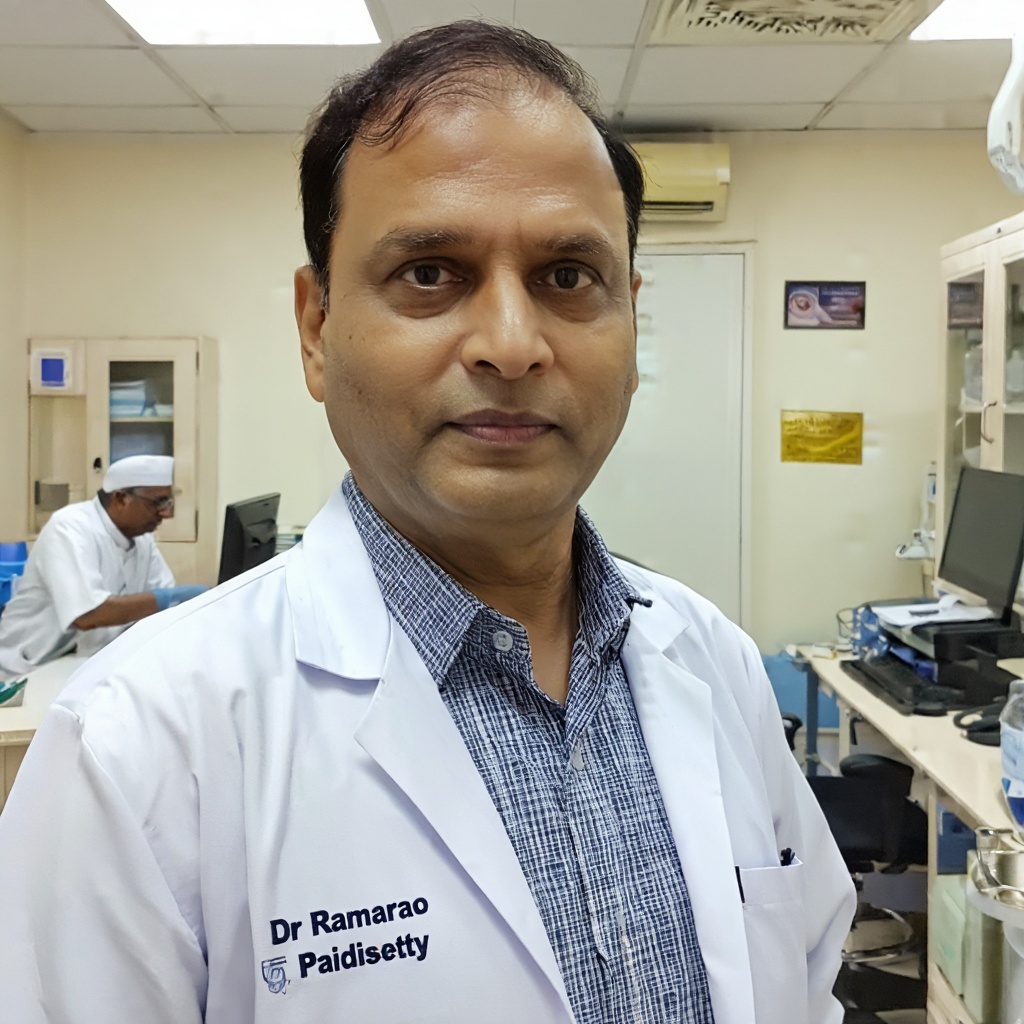
Dr Ramarao Paidisetty
Consultant Biochemist · Reg: 21504
Last reviewed: September 7, 2026
Overview
The 17-OHP test is performed to diagnose and monitor conditions related to abnormal adrenal gland function, most notably congenital adrenal hyperplasia (CAH). It is also used for newborn screening, evaluating hirsutism and virilisation in women, investigating unexplained infertility, and monitoring hormone replacement therapy in CAH patients.
- Test Code
- 39
- CPT Code
- 83498
- ICD Code
- E25.0
- Price
- ₹1,521
- Sample Type
- Serum
- Result Time
- Results are typically available within 1 week of sample collection.
- Fasting Required
- No
- Method
- Radioimmunoassay (RIA)
Sample Collection
An early morning specimen is preferred due to diurnal variation in hormone levels. Inform your doctor about any medications, hormonal therapies, or supplements you are currently taking. No fasting is required unless specified by your physician.
Method: Venipuncture
Laboratory Analysis
A healthcare professional will draw a small blood sample (approximately 2 mL) from a vein in your arm using a sterile needle and syringe. The blood is collected into a serum separator tube (SST). The procedure typically takes less than 5 minutes.
Report Delivery
After blood collection, slight bruising or soreness at the puncture site may occur. Apply gentle pressure with a cotton ball. Results are typically available within one week and can be accessed through the DNA Labs India online portal, email, or WhatsApp.
Timeline: Results are typically available within 1 week of sample collection.
Patient Instructions
About This Test
Who Should Get This Test
The 17-OHP test is performed to diagnose and monitor conditions related to abnormal adrenal gland function, most notably congenital adrenal hyperplasia (CAH). It is also used for newborn screening, evaluating hirsutism and virilisation in women, investigating unexplained infertility, and monitoring hormone replacement therapy in CAH patients.
How to Prepare
- An early morning specimen is preferred for accurate results
- No fasting is required unless advised by your physician
- Inform the phlebotomist about any medications or hormonal supplements you are taking
- 2 mL (1 mL min.) serum from 1 SST is required
- Ship the sample refrigerated or frozen
- Avoid strenuous physical activity before the test
Doctor's Notes
Reviewed by Dr Ramarao Paidisetty — MBBS, MD (Biochemistry) · Reg. No. 21504
"The 17-OHP test is a critical first-line investigation when congenital adrenal hyperplasia (CAH) is suspected. Elevated 17-OHP levels, particularly after ACTH stimulation, help confirm the diagnosis of 21-hydroxylase deficiency, which accounts for over 90% of CAH cases. Early diagnosis and treatment with cortisol replacement can prevent adrenal crises, normalise growth, and preserve fertility. In newborns, the 17-OHP test is part of essential newborn screening programs to detect salt-wasting CAH, which can be life-threatening if left untreated. Patients with borderline results should undergo an ACTH stimulation test for definitive evaluation."
Last medically reviewed: September 7, 2026
Test Parameters & Specifications
Sample Stability
- Haemolysed or lipemic samples
- Sample not collected in appropriate SST tube
- Sample not refrigerated or frozen within the required time frame
- Insufficient sample volume (less than 1 mL serum)
- Unlabelled or mislabelled samples
Understanding Your Results
17-OHP levels are within the age- and sex-specific reference range, suggesting normal adrenal enzyme function.
Markedly elevated levels are suggestive of congenital adrenal hyperplasia (CAH), most commonly due to 21-hydroxylase deficiency. An ACTH stimulation test may be recommended for confirmation.
Borderline or mildly elevated levels may indicate non-classic (late-onset) CAH. Follow-up with an ACTH stimulation test is recommended for definitive diagnosis.
Newborns with significantly elevated 17-OHP levels may have classic CAH. Further evaluation and genetic testing are recommended.
If clinical symptoms of CAH are present but 17-OHP is normal, other adrenal disorders or hormonal conditions should be investigated.
Consult your doctor if you or your child experience symptoms such as unexplained fatigue, excessive hair growth (hirsutism), severe acne, irregular menstrual periods, difficulty conceiving, short stature, early or delayed puberty, or episodes of dehydration and low blood pressure. If you have a family history of CAH, discuss genetic counselling and testing with your endocrinologist.
Limitations
- ⚠Elevated 17-OHP levels may require follow-up with an ACTH stimulation test for definitive diagnosis
- ⚠This test alone cannot differentiate between the various forms of CAH
- ⚠Non-classic (late-onset) CAH may have only mildly elevated or borderline 17-OHP levels
- ⚠Results should always be interpreted in the clinical context by a qualified endocrinologist
- ⚠Reference ranges vary significantly by age, sex, and in women by menstrual cycle phase
Risks & Considerations
- ●Minor bruising or discomfort at the blood draw site
- ●Slight risk of infection at the puncture site
- ●Rarely, dizziness or lightheadedness during blood draw
Interfering Factors
- ●Hormonal contraceptives or steroid medications may alter 17-OHP levels
- ●Stress, illness, or surgery can temporarily elevate cortisol and 17-OHP levels
- ●Sample collection timing matters: 17-OHP levels follow a diurnal pattern, with peak levels in the early morning
- ●Pregnancy may cause physiological elevation of 17-OHP
- ●Certain medications such as corticosteroids, ACTH, and ketoconazole may affect results
- ●In neonates, 17-OHP levels are physiologically elevated and require age-specific reference ranges
Compare With Similar Tests
| Test | 17-Hydroxyprogesterone (17-OHP) Test | ACTH Stimulation Test | Serum Cortisol Test | DHEA-S Test |
|---|---|---|---|---|
| Comparison | 17-Hydroxyprogesterone (17-OHP) Test | The ACTH stimulation test is used to confirm CAH when 17-OHP levels are borderline or mildly elevated. It measures the adrenal response to synthetic ACTH administration. | While 17-OHP measures a cortisol precursor, the cortisol test directly measures cortisol levels. Both tests are complementary in evaluating adrenal function. | DHEA-S measures another adrenal hormone (dehydroepiandrosterone sulfate). It is used to evaluate androgen excess, while 17-OHP specifically assesses cortisol synthesis pathway defects. |
Frequently Asked Questions
What is the 17-Hydroxyprogesterone (17-OHP) test?
Why is the 17-OHP test ordered?
What is Congenital Adrenal Hyperplasia (CAH)?
Do I need to fast before the 17-OHP test?
What is the cost of the 17-OHP test in India?
What do elevated 17-OHP levels mean?
How is the 17-OHP test performed?
Is the 17-OHP test used for newborn screening?
Can the 17-OHP test be done during pregnancy?
How long does it take to get the 17-OHP test results?
Is the 17-OHP test covered by insurance in India?
What is the normal range for 17-OHP levels?
Related Tests
Reference Laboratory Services
We serve as a reference laboratory for hospitals and clinics across India. Send samples from your facility with same-day pickup, priority processing, and results delivered through our online portal. Competitive institutional pricing available.
Your Data Privacy
Your medical data is protected under Indian law.
✓ Stored in India: All patient records are stored on servers located in India. No data is transferred outside the country.
✓ DPDP Act Compliant: Under the Digital Personal Data Protection Act 2023, you can request deletion of your records at any time by contacting support.
Book Your Test
Enter your details and we'll connect you within 15 minutes.