
B4GALT1 Gene Glycosylation disorder type 2D NGS Genetic Test
Short Name: B4GALT1 CDG Type 2D NGS Test
Also known as: CDG Type 2D Test, B4GALT1-CDG Genetic Test, Congenital Disorder of Glycosylation Type 2D NGS Test, B4GALT1 Gene Sequencing Test, CDG2D NGS Panel
B4GALT1 Gene Glycosylation disorder type 2D NGS Genetic Test test available at DNA Labs India for ₹20,000. Uses Next-Generation Sequencing (NGS), Bioinformatics Variant Analysis, ACMG Variant Classification on Blood or Extracted DNA or One drop Blood on FTA Card samples. Results in Results are typically available within 3 to 4 weeks from the date of sample receipt at the laboratory.. Free home collection in 300+ cities across India.

🩺 Medically Reviewed By
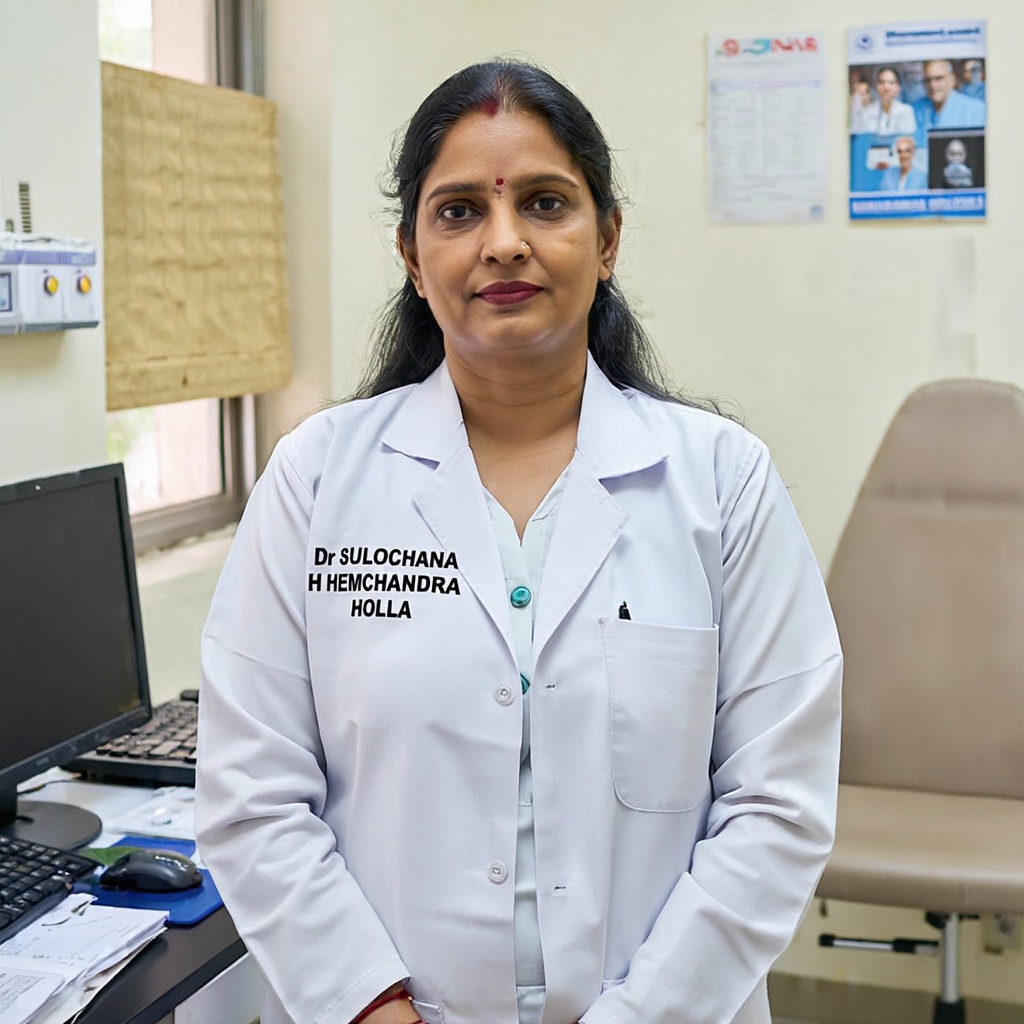
Dr SULOCHANA HEMCHANDRA HOLLA
Consultant Medical Geneticist · Reg: 8532
Last reviewed: September 7, 2026
Overview
The purpose of the B4GALT1 Gene Glycosylation Disorder Type 2D NGS Genetic Test is to identify pathogenic or likely pathogenic variants in the B4GALT1 gene that cause congenital disorder of glycosylation type 2D. This test is used for confirmatory molecular diagnosis in individuals presenting with suspected CDG symptoms, carrier screening for family members of affected individuals, prenatal or preconception genetic counselling in families with a known history of CDG-2D, and differential diagnosis of unexplained developmental delay, seizures, or multisystem metabolic presentations.
- Test Code
- 2058
- CPT Code
- 81479
- ICD Code
- E77.8
- Price
- ₹20,000
- Sample Type
- Blood or Extracted DNA or One drop Blood on FTA Card
- Result Time
- Results are typically available within 3 to 4 weeks from the date of sample receipt at the laboratory.
- Fasting Required
- No
- Method
- Next-Generation Sequencing (NGS), Bioinformatics Variant Analysis, ACMG Variant Classification
Sample Collection
No special preparation such as fasting is required. A genetic counselling session is recommended prior to sample collection to discuss the clinical history of the patient and to draw a pedigree chart of family members affected with glycosylation disorder type 2D. Inform the testing team about any recent blood transfusions or ongoing treatments.
Method: Venipuncture
Laboratory Analysis
A trained phlebotomist will collect 3-5 mL of venous blood in an EDTA (lavender-top) vacutainer tube, or alternatively a single drop of blood may be applied onto an FTA card. The sample is labelled with patient identifiers and stored at ambient room temperature.
Report Delivery
The sample is transported to the DNA Labs India facility under controlled ambient conditions. The DNA is extracted, library preparation is performed, and the B4GALT1 gene is sequenced using next-generation sequencing. Results are typically available within 3 to 4 weeks and are shared via online portal, email, or WhatsApp.
Timeline: Results are typically available within 3 to 4 weeks from the date of sample receipt at the laboratory.
Patient Instructions
About This Test
Who Should Get This Test
The purpose of the B4GALT1 Gene Glycosylation Disorder Type 2D NGS Genetic Test is to identify pathogenic or likely pathogenic variants in the B4GALT1 gene that cause congenital disorder of glycosylation type 2D. This test is used for confirmatory molecular diagnosis in individuals presenting with suspected CDG symptoms, carrier screening for family members of affected individuals, prenatal or preconception genetic counselling in families with a known history of CDG-2D, and differential diagnosis of unexplained developmental delay, seizures, or multisystem metabolic presentations.
How to Prepare
- Collect 3-5 mL of whole blood in an EDTA (lavender-top) vacutainer tube
- Alternatively, apply one drop of blood on an FTA card and allow to air dry
- Label the sample with full patient name, date of birth, and unique identification number
- Store the sample at ambient room temperature (15-30°C) before transport
- Do not freeze whole blood samples
- Transport to the laboratory within 48 hours of collection
Doctor's Notes
Reviewed by Dr SULOCHANA HEMCHANDRA HOLLA — MBBS, MD (Medical Genetics) · Reg. No. 8532
"Congenital disorders of glycosylation such as CDG Type 2D are often underdiagnosed due to their rarity and overlap with other metabolic conditions. Early molecular confirmation through NGS-based testing allows for accurate diagnosis, informed genetic counselling, recurrence risk assessment, and appropriate management planning. Families with a known history of consanguinity or a previously affected child should consider this test for confirmatory or carrier screening purposes."
Last medically reviewed: September 7, 2026
Test Parameters & Specifications
Sample Stability
- Sample collected in heparin anticoagulant tube
- Haemolysed, clotted, or insufficient volume samples
- Samples without proper labelling or patient identification
- Samples received more than 48 hours after collection without prior arrangement
- Contaminated or leaking sample containers
Understanding Your Results
Confirms a molecular diagnosis of B4GALT1-CDG (Congenital Disorder of Glycosylation Type 2D). Genetic counselling is recommended for the patient and family members. Carrier testing should be offered to parents and at-risk relatives.
Action: Consult a clinical geneticist or metabolic disease specialist for comprehensive management and surveillance plan.
A genetic variant was identified but current evidence is insufficient to classify it as pathogenic or benign. This result alone cannot confirm or exclude the diagnosis.
Action: Correlate with clinical features and family segregation studies. Re-analysis may be recommended as new evidence becomes available.
No pathogenic or likely pathogenic variants were identified in the B4GALT1 gene. This result reduces the likelihood of CDG Type 2D but does not completely exclude it, as certain types of variants may not be detected by this method.
Action: Discuss with the referring physician or genetic counsellor to evaluate alternative diagnoses or consider further testing such as whole exome sequencing or gene panel testing.
If the test identifies pathogenic or likely pathogenic variants in the B4GALT1 gene, or if your child presents with unexplained developmental delay, seizures, feeding difficulties, abnormal facial features, or failure to thrive, it is essential to consult a clinical geneticist or a metabolic disease specialist at the earliest opportunity for comprehensive evaluation, management planning, and family genetic counselling.
Limitations
- ⚠This test does not detect large genomic rearrangements or deep intronic variants outside the targeted region
- ⚠Variants of uncertain significance (VUS) may be reported and require clinical correlation and family studies
- ⚠Results should always be interpreted in the context of clinical presentation and family history
- ⚠Polygenic or epigenetic contributions to the phenotype are not assessed
- ⚠The test may not detect low-level mosaicism
Risks & Considerations
- ●Minimal risk associated with blood collection: mild bruising, slight discomfort at the venipuncture site, or rarely, a small hematoma
- ●Psychological or emotional impact related to receiving genetic test results, particularly if pathogenic variants are identified
- ●Possible identification of variants of uncertain significance (VUS) that may cause anxiety without providing a definitive diagnosis
Interfering Factors
- ●Degraded or insufficient DNA quality from improperly stored samples
- ●Blood samples collected in incorrect anticoagulant tubes (e.g., heparin instead of EDTA)
- ●Recent blood transfusion may cause allelic dropout or mixed genotype results
- ●Contamination during sample collection or processing
Compare With Similar Tests
| Test | B4GALT1 Gene Glycosylation disorder type 2D NGS Genetic Test | ||||
|---|---|---|---|---|---|
| Comparison | B4GALT1 Gene Glycosylation disorder type 2D NGS Genetic Test |
Frequently Asked Questions
What is B4GALT1 Gene Glycosylation Disorder Type 2D?
What are the common symptoms of B4GALT1 CDG Type 2D?
How is B4GALT1 CDG Type 2D diagnosed?
What is the cost of the B4GALT1 Gene NGS Genetic Test in India?
What sample is required for this genetic test?
How long does it take to get the test results?
Is home sample collection available for this test?
Is B4GALT1 CDG Type 2D a hereditary condition?
Can this genetic test be performed during pregnancy?
What should I do if my child is diagnosed with B4GALT1 CDG Type 2D?
Is the B4GALT1 Gene NGS Genetic Test available across India?
Who should consider getting tested for B4GALT1 CDG Type 2D?
Related Tests
Reference Laboratory Services
We serve as a reference laboratory for hospitals and clinics across India. Send samples from your facility with same-day pickup, priority processing, and results delivered through our online portal. Competitive institutional pricing available.
Your Data Privacy
Your medical data is protected under Indian law.
✓ Stored in India: All patient records are stored on servers located in India. No data is transferred outside the country.
✓ DPDP Act Compliant: Under the Digital Personal Data Protection Act 2023, you can request deletion of your records at any time by contacting support.
Book Your Test
Enter your details and we'll connect you within 15 minutes.