
Bacterial Transcriptome Sequencing and De Novo Analysis Test
Short Name: Bacterial Transcriptome Seq
Also known as: Bacterial RNA Sequencing, Transcriptome Analysis, De Novo Transcriptome Sequencing
Bacterial Transcriptome Sequencing and De Novo Analysis Test test available at DNA Labs India for ₹30,000. Uses Next-Generation Sequencing (NGS), De Novo Transcriptome Assembly on Extracted DNA samples. Results in Reports are typically delivered within 8 weeks from sample receipt.. Free home collection in 300+ cities across India.

🩺 Medically Reviewed By
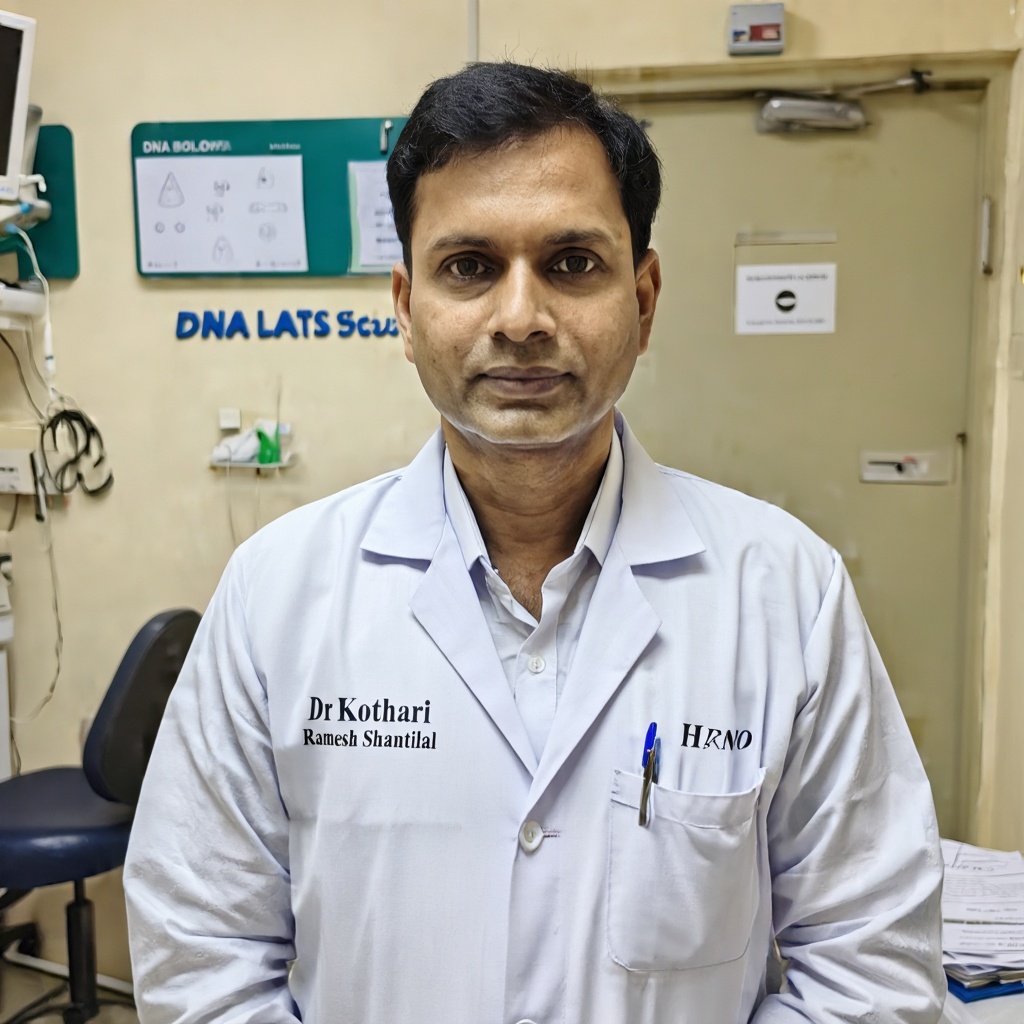
Dr Kothari Ramesh Shantilal
Consultant Microbiologist · Reg: 27670
Last reviewed: September 7, 2026
Overview
The primary purpose of bacterial transcriptome sequencing and de novo analysis is to identify and quantify the genes actively expressed by a bacterial pathogen. This information is critical for: 1) Understanding the molecular basis of bacterial virulence, 2) Detecting antibiotic resistance gene expression, 3) Identifying novel genes that may serve as therapeutic targets, 4) Characterizing bacterial strains with no reference genome, and 5) Supporting clinical decisions in complex or recurrent infections. By analyzing the transcriptome, clinicians can gain insights into the real-time metabolic and pathogenic state of the bacteria, which is not possible with conventional culture or PCR methods. This test is especially useful when standard diagnostic approaches fail to identify the causative organism or when there is a need to understand the mechanisms of drug resistance.
- Test Code
- 6422
- CPT Code
- N/A
- ICD Code
- N/A
- Price
- ₹30,000
- Sample Type
- Extracted DNA
- Result Time
- Reports are typically delivered within 8 weeks from sample receipt.
- Fasting Required
- No
- Method
- Next-Generation Sequencing (NGS), De Novo Transcriptome Assembly
Sample Collection
No special preparation is required. However, inform your healthcare provider about any ongoing antibiotic therapy, as it may affect bacterial gene expression.
Method: Blood or tissue sample as per clinical need
Laboratory Analysis
The sample (blood or tissue) will be collected by a trained phlebotomist. Ensure the sample is transported to the lab immediately to preserve RNA integrity.
Report Delivery
No specific aftercare is needed. You can resume normal activities immediately.
Timeline: Reports are typically delivered within 8 weeks from sample receipt.
Patient Instructions
About This Test
Who Should Get This Test
The primary purpose of bacterial transcriptome sequencing and de novo analysis is to identify and quantify the genes actively expressed by a bacterial pathogen. This information is critical for: 1) Understanding the molecular basis of bacterial virulence, 2) Detecting antibiotic resistance gene expression, 3) Identifying novel genes that may serve as therapeutic targets, 4) Characterizing bacterial strains with no reference genome, and 5) Supporting clinical decisions in complex or recurrent infections. By analyzing the transcriptome, clinicians can gain insights into the real-time metabolic and pathogenic state of the bacteria, which is not possible with conventional culture or PCR methods. This test is especially useful when standard diagnostic approaches fail to identify the causative organism or when there is a need to understand the mechanisms of drug resistance.
How to Prepare
- Sample must be collected in a sterile container
- Avoid repeated freeze-thaw cycles
- Transport sample on ice if possible
- Ensure sample reaches the lab within 24 hours
Doctor's Notes
Reviewed by Dr Kothari Ramesh Shantilal — MBBS, MD (Microbiology) · Reg. No. 27670
"Bacterial transcriptome sequencing provides a comprehensive view of bacterial gene expression, enabling precise identification of virulence factors and antibiotic resistance mechanisms. This advanced analysis supports targeted therapeutic decisions in complex infections."
Last medically reviewed: September 7, 2026
Test Parameters & Specifications
Sample Stability
- Hemolyzed or clotted blood samples
- Insufficient sample volume
- Samples with visible contamination
- Samples not stored properly leading to RNA degradation
Understanding Your Results
High expression of antibiotic resistance genes
Indicates potential resistance to corresponding antibiotics; consider alternative therapy
Presence of virulence factor transcripts
Suggests pathogenic potential; may correlate with severe infection
Novel transcripts without known function
May represent unique strain characteristics; further research needed
Low overall transcriptome coverage
May indicate poor RNA quality or low bacterial load; interpret with caution
Consult your healthcare provider if you have persistent fever, signs of infection, or if you have been advised this test for diagnostic purposes. Discuss the results with your doctor to understand their clinical significance.
Limitations
- ⚠Requires high-quality RNA; degraded samples may yield incomplete results
- ⚠De novo assembly may miss low-abundance transcripts
- ⚠Functional annotation depends on existing databases; novel genes may remain uncharacterized
- ⚠Results should be interpreted in conjunction with clinical findings and other diagnostic tests
- ⚠Not a substitute for standard culture and sensitivity testing
Risks & Considerations
- ●Minimal risk of bleeding or infection at the sample collection site
- ●No radiation exposure or contrast agents involved
Interfering Factors
- ●RNA degradation due to improper sample handling
- ●Contamination with host RNA or DNA
- ●Low bacterial load in the sample
- ●Incomplete removal of ribosomal RNA
- ●Sequencing errors or biases
Compare With Similar Tests
| Test | Bacterial Transcriptome Sequencing and De Novo Analysis | Bacterial Culture and Sensitivity | 16S rRNA Gene Sequencing | Whole Genome Sequencing (WGS) | PCR-based Resistance Gene Detection |
|---|---|---|---|---|---|
| Comparison | Bacterial Transcriptome Sequencing and De Novo Analysis | Culture identifies live bacteria and tests antibiotic susceptibility, but takes days and may miss fastidious organisms. Transcriptome sequencing provides gene expression data and can detect resistance mechanisms even in unculturable bacteria. | 16S sequencing identifies bacterial species using a conserved gene, but does not provide information on gene expression or resistance. Transcriptome sequencing offers functional insights beyond identification. | WGS reveals the genetic potential of the bacterium, while transcriptome sequencing shows which genes are actively expressed. Combining both provides a complete picture, but transcriptome analysis is more relevant for understanding current pathogenic behavior. | PCR targets specific known resistance genes, whereas transcriptome sequencing can detect both known and novel resistance mechanisms, including gene expression levels. |
Frequently Asked Questions
What is bacterial transcriptome sequencing?
What is de novo analysis in this context?
What sample is required for this test?
How long does it take to get results?
Is fasting required before the test?
What is the cost of the test?
Can this test detect antibiotic resistance?
Is home sample collection available?
What are the symptoms of bacterial infections that may warrant this test?
How is the test performed?
Are there any risks associated with the test?
Who should consider this test?
Related Tests
Reference Laboratory Services
We serve as a reference laboratory for hospitals and clinics across India. Send samples from your facility with same-day pickup, priority processing, and results delivered through our online portal. Competitive institutional pricing available.
Your Data Privacy
Your medical data is protected under Indian law.
✓ Stored in India: All patient records are stored on servers located in India. No data is transferred outside the country.
✓ DPDP Act Compliant: Under the Digital Personal Data Protection Act 2023, you can request deletion of your records at any time by contacting support.
Book Your Test
Enter your details and we'll connect you within 15 minutes.