
C. difficile Toxin A & B and GDH Stool Test
Short Name: C. difficile Toxin A & B GDH
Also known as: C. diff Toxin A and B Test, C. difficile GDH Stool Test, Clostridioides difficile Toxin Detection, C. diff Stool Test, CDI Stool Panel
C. difficile Toxin A & B and GDH Stool Test test available at DNA Labs India for ₹4,000. Uses Immunochromatography on Fresh Stool samples. Results in Results are typically available within 24 to 48 hours from the time the sample reaches the laboratory.. Free home collection in 300+ cities across India.

🩺 Medically Reviewed By
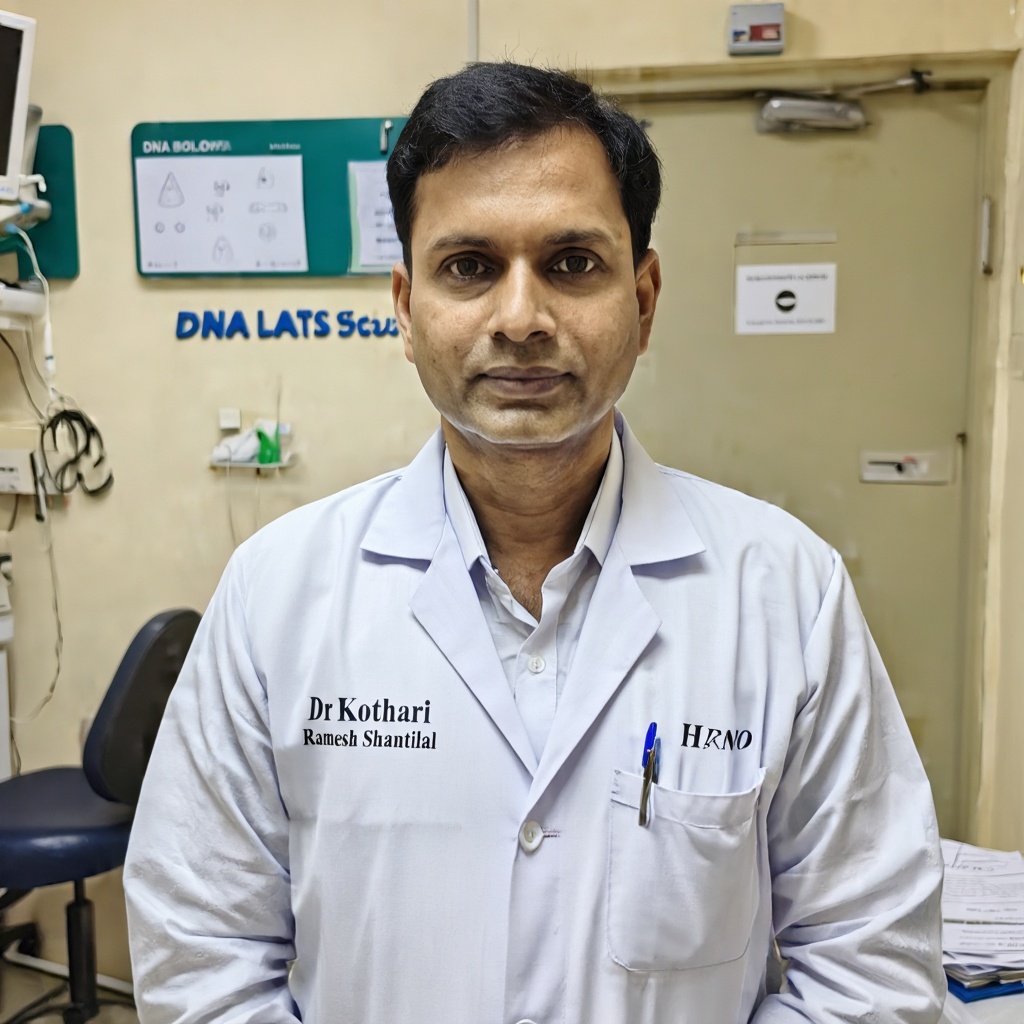
Dr Kothari Ramesh Shantilal
Consultant Microbiologist · Reg: 27670
Last reviewed: September 7, 2026
Overview
The primary purpose of this test is to accurately detect Clostridioides difficile infection by identifying both the organism-specific antigen (GDH) and the disease-causing toxins (A and B). This three-marker approach helps clinicians differentiate between C. difficile colonization and active infection, guiding appropriate treatment decisions. It is recommended for patients presenting with acute or chronic diarrhea, particularly following antibiotic exposure, chemotherapy, or prolonged hospitalization.
- Test Code
- 232
- CPT Code
- 87449
- ICD Code
- A04.72
- Price
- ₹4,000
- Sample Type
- Fresh Stool
- Result Time
- Results are typically available within 24 to 48 hours from the time the sample reaches the laboratory.
- Fasting Required
- No
- Method
- Immunochromatography
Sample Collection
No special preparation, fasting, or dietary restrictions are required before sample collection. Discontinue laxatives and anti-diarrheal medications for at least 48 hours prior to collection unless otherwise directed by your physician. Inform your healthcare provider about all current medications including antibiotics.
Method: Stool collection in sterile container
Laboratory Analysis
Collect a fresh stool sample in the sterile screw-capped container provided. Avoid contaminating the sample with urine, water, or toilet paper. Ensure a minimum of 0.5 g of stool is collected. For patients using diapers, line the diaper with clean plastic wrap to prevent absorption of the stool sample.
Report Delivery
Seal the container tightly and label it with your name, date, and time of collection. Store the sample refrigerated (2-8°C) immediately after collection. Do not freeze the sample. The sample must be transported to the laboratory within 72 hours of collection. Free home sample collection is available for online bookings across India.
Timeline: Results are typically available within 24 to 48 hours from the time the sample reaches the laboratory.
Patient Instructions
About This Test
Who Should Get This Test
The primary purpose of this test is to accurately detect Clostridioides difficile infection by identifying both the organism-specific antigen (GDH) and the disease-causing toxins (A and B). This three-marker approach helps clinicians differentiate between C. difficile colonization and active infection, guiding appropriate treatment decisions. It is recommended for patients presenting with acute or chronic diarrhea, particularly following antibiotic exposure, chemotherapy, or prolonged hospitalization.
How to Prepare
- Use the sterile screw-capped container provided by DNA Labs India
- Collect a fresh stool sample ensuring a minimum of 0.5 g (recommended 2 g)
- Do not contaminate the sample with urine or toilet water
- Do not place the sample in a diaper without plastic lining
- Refrigerate the sample immediately at 2-8°C; do not freeze
- Transport to the laboratory within 72 hours of collection
- Label the container with patient name, date, and time of collection
Doctor's Notes
Reviewed by Dr Kothari Ramesh Shantilal — MBBS, MD (Microbiology) · Reg. No. 27670
"Clostridioides difficile infection is one of the most common healthcare-associated infections. The combined GDH plus Toxin A/B algorithm provides both high sensitivity through GDH antigen screening and high clinical specificity through toxin detection. Patients with persistent diarrhea following antibiotic therapy should be tested promptly, as delayed diagnosis is associated with worse outcomes including toxic megacolon and sepsis. Early detection enables timely initiation of targeted therapy with oral vancomycin or fidaxomicin."
Last medically reviewed: September 7, 2026
Test Parameters & Specifications
Sample Stability
- Specimen received in a non-sterile or leaking container
- Stool sample contaminated with urine or toilet water
- Formed stool sample (unless specifically requested by physician)
- Sample stored at room temperature for more than 2 hours
- Sample received frozen
- Specimen received after 72 hours of collection
- Specimen collected in transport media not specified for this test
Understanding Your Results
This result is consistent with active C. difficile infection (CDI). The presence of GDH confirms C. difficile organism, and positive toxins A and/or B confirm the disease-causing potential. Clinical correlation is advised, and treatment should be initiated as per current guidelines.
This result may indicate C. difficile colonization without active toxin production. Reflex testing with C. difficile PCR (NAAT) is recommended to detect the toxin B gene. Correlation with clinical symptoms is essential before considering treatment.
This result makes C. difficile infection highly unlikely. However, if clinical suspicion remains high, repeat testing with a new specimen may be considered. The negative GDH suggests absence of C. difficile organism in the sample.
This is an uncommon discordant result and may indicate a false-positive toxin result. Repeat testing is recommended. Clinical correlation is essential before initiating treatment.
Consult your doctor immediately if you experience persistent watery diarrhea (3 or more episodes per day for 2 or more days), severe abdominal pain and tenderness, fever above 38.3°C (101°F), blood or pus in stool, loss of appetite, nausea, or signs of dehydration. Seek urgent medical attention if you have recently been hospitalized, taken antibiotics, or are immunocompromised and develop any of these symptoms. Early diagnosis and treatment of C. difficile infection are critical to prevent serious complications.
Limitations
- ⚠A positive GDH with negative Toxin A/B result may indicate colonization rather than active infection; reflex testing with PCR may be recommended
- ⚠The test does not distinguish between different C. difficile ribotypes or strain types
- ⚠A single negative test does not completely rule out C. difficile infection in high clinical suspicion cases; repeat testing may be warranted
- ⚠The test cannot be used to monitor treatment response as toxin may remain detectable even after successful therapy
- ⚠False-negative results may occur if the stool sample contains insufficient bacterial load
Risks & Considerations
- ●This is a non-invasive stool test with no physical risks or side effects
- ●There is a small possibility of false-positive or false-negative results
- ●In rare cases, a repeat sample may be needed if the initial specimen is rejected
Interfering Factors
- ●Laxative use within 48 hours prior to stool collection may dilute the sample and affect results
- ●Recent use of anti-diarrheal medications may reduce bacterial shedding, potentially causing false-negative results
- ●Formed stool specimens are generally not recommended as C. difficile toxin detection is less reliable
- ●Specimens collected after initiation of antibiotic therapy for CDI may yield variable results
- ●Specimen storage beyond recommended stability periods may degrade toxins and affect accuracy
Compare With Similar Tests
| Test | C. difficile Toxin A & B and GDH Stool Test | C. difficile PCR (NAAT) Test | C. difficile Toxin A & B EIA | Cell Cytotoxicity Neutralization Assay (CCNA) |
|---|---|---|---|---|
| Comparison | C. difficile Toxin A & B and GDH Stool Test | PCR detects the toxin B gene directly and offers higher sensitivity than immunochromatography. However, PCR cannot distinguish between colonization and active infection. The GDH + Toxin A/B algorithm provides better clinical specificity by identifying actively toxin-producing strains. | Enzyme Immunoassay (EIA) for toxins A and B alone has high specificity but lower sensitivity (75-85%). The addition of GDH in this panel significantly improves sensitivity (above 95%) as a screening step. | CCNA is considered the historical gold standard for C. difficile toxin detection with high specificity. However, it requires 24-48 hours for results and cell culture facilities. Immunochromatography provides rapid results within minutes of sample receipt. |
Frequently Asked Questions
What is the C. difficile Toxin A & B and GDH Stool Test?
Why is the GDH marker included along with Toxins A and B?
What are the symptoms that indicate I may need this test?
How is the stool sample collected for this test?
Do I need to fast before giving the stool sample?
What does it mean if my GDH is positive but Toxin A and B are negative?
What does a fully positive result mean?
What is the cost of this test at DNA Labs India?
How long does it take to get the results?
Is home sample collection available for this test?
Can this test be done on children?
What precautions should I take before collecting the stool sample?
Related Tests
Reference Laboratory Services
We serve as a reference laboratory for hospitals and clinics across India. Send samples from your facility with same-day pickup, priority processing, and results delivered through our online portal. Competitive institutional pricing available.
Your Data Privacy
Your medical data is protected under Indian law.
✓ Stored in India: All patient records are stored on servers located in India. No data is transferred outside the country.
✓ DPDP Act Compliant: Under the Digital Personal Data Protection Act 2023, you can request deletion of your records at any time by contacting support.
Book Your Test
Enter your details and we'll connect you within 15 minutes.