
Chlamydia Trachomatis and Neisseria Gonorrhoeae PCR Qualitative Test
Short Name: CT/NG PCR Qualitative
Also known as: CT/NG PCR Test, Chlamydia Gonorrhea NAAT Test, STI Dual Panel PCR Test, Chlamydia Gonorrhea DNA Test, Dual STI PCR Screen
Chlamydia Trachomatis and Neisseria Gonorrhoeae PCR Qualitative Test test available at DNA Labs India for ₹6,500. Uses Real Time PCR, Nucleic Acid Amplification Test (NAAT) on Urine / Vaginal Swab / Endocervical Swab / Conjunctival Swab samples. Results in Sample daily by 11:00 AM; Report available next day. Results are delivered via Online Portal, Email, and WhatsApp.. Free home collection in 300+ cities across India.

🩺 Medically Reviewed By
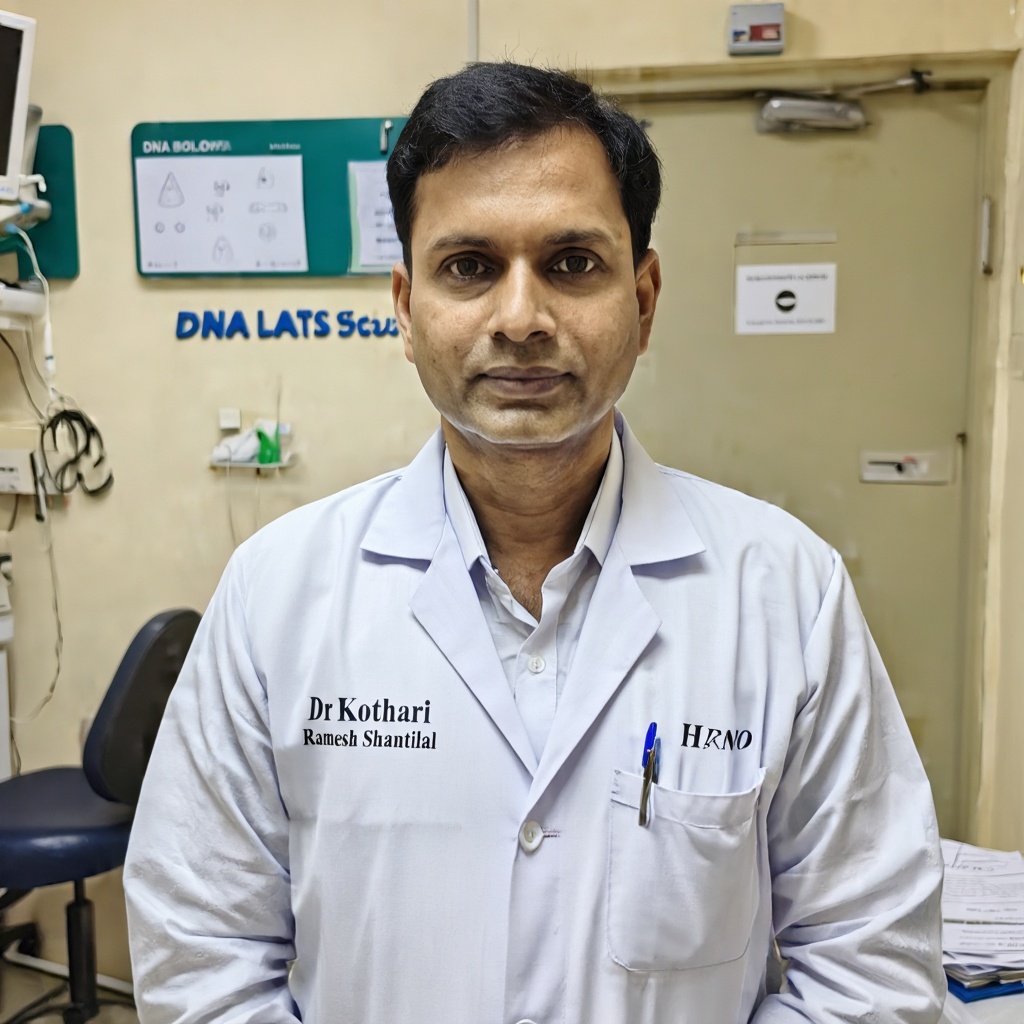
Dr Kothari Ramesh Shantilal
Consultant Microbiologist · Reg: 27670
Last reviewed: September 7, 2026
Overview
This test is used for the qualitative detection and differentiation of Chlamydia trachomatis and Neisseria gonorrhoeae nucleic acid in clinical specimens. It serves as a primary diagnostic tool for confirming active infections caused by these two organisms, which are the leading bacterial causes of sexually transmitted infections worldwide. The test aids physicians in initiating appropriate antibiotic therapy and helps in contact tracing and partner notification to prevent further transmission.
- Test Code
- 308
- CPT Code
- 87491, 87591
- ICD Code
- A56.0, A54.0
- Price
- ₹6,500
- Sample Type
- Urine / Vaginal Swab / Endocervical Swab / Conjunctival Swab
- Result Time
- Sample daily by 11:00 AM; Report available next day. Results are delivered via Online Portal, Email, and WhatsApp.
- Fasting Required
- No
- Method
- Real Time PCR, Nucleic Acid Amplification Test (NAAT)
Sample Collection
Avoid antibiotics for at least 2 weeks prior to testing unless directed otherwise by your physician. First morning urine sample is preferred for highest accuracy. For urine collection, do not urinate for at least 1-2 hours before providing the sample. Avoid using douches, vaginal creams, antiseptics, or lubricants 24 hours before sample collection. Inform your healthcare provider about any medications currently being taken.
Method: First morning urine collection or sterile swab collection by healthcare professional
Laboratory Analysis
For urine sample: Clean the genital area with the antiseptic wipe provided in the kit. Collect the first 15-30 mL of the urine stream in a sterile screw-capped container. Do not collect midstream urine. For swab collection: A qualified healthcare professional will collect the sample using a sterile swab from the vagina, endocervix, or conjunctiva as clinically indicated. The swab will be placed in normal saline for transport.
Report Delivery
Ensure the sample container is properly sealed and labeled with your name, date, and time of collection. Store the sample refrigerated if it cannot be transported immediately. The sample will be transported to the laboratory under appropriate cold chain conditions. Results will be available within 24 hours of the sample reaching the laboratory. You can access your reports online through the DNA Labs India portal, email, or WhatsApp.
Timeline: Sample daily by 11:00 AM; Report available next day. Results are delivered via Online Portal, Email, and WhatsApp.
Patient Instructions
About This Test
Who Should Get This Test
This test is used for the qualitative detection and differentiation of Chlamydia trachomatis and Neisseria gonorrhoeae nucleic acid in clinical specimens. It serves as a primary diagnostic tool for confirming active infections caused by these two organisms, which are the leading bacterial causes of sexually transmitted infections worldwide. The test aids physicians in initiating appropriate antibiotic therapy and helps in contact tracing and partner notification to prevent further transmission.
How to Prepare
- First morning urine sample is preferred for highest test accuracy
- Collect at least 8 mL of urine in a 15 mL sterile screw-capped container
- For swab samples, use only the sterile swab kit provided by the laboratory
- Do not touch or contaminate the inside of the container or swab tip
- Label the sample clearly with your full name, date, and time of collection
- Store the sample refrigerated (2-8°C) if not being transported immediately
- For female patients, avoid collecting vaginal swab samples during menstruation if possible
Doctor's Notes
Reviewed by Dr Kothari Ramesh Shantilal — MBBS, MD (Microbiology) · Reg. No. 27670
"As an infectious disease specialist, I strongly recommend PCR-based testing for Chlamydia trachomatis and Neisseria gonorrhoeae as it offers the highest sensitivity and specificity among available diagnostic methods. These infections are frequently asymptomatic, and undiagnosed cases can lead to severe reproductive health complications including pelvic inflammatory disease, tubal infertility, and ectopic pregnancy. The dual-panel PCR test is particularly valuable as co-infection with both organisms is common. Early detection through this test enables timely antibiotic treatment, prevents transmission to sexual partners, and significantly reduces the risk of long-term health consequences. I recommend routine screening for all sexually active individuals, especially those with multiple partners or a history of STIs."
Last medically reviewed: September 7, 2026
Test Parameters & Specifications
Sample Stability
- Unlabeled or improperly labeled samples
- Samples received beyond the recommended stability period
- Insufficient sample volume (less than 8 mL urine)
- Leaking or visibly contaminated containers
- Specimens collected with antiseptic preservatives
- Samples transported without appropriate temperature control
Understanding Your Results
CT: Not Detected, NG: Not Detected
Normal
CT: Detected, NG: Not Detected
Abnormal
CT: Not Detected, NG: Detected
Abnormal
CT: Detected, NG: Detected
Abnormal
Indeterminate / Invalid
Borderline
Consult your doctor immediately if your test results are positive for either Chlamydia trachomatis or Neisseria gonorrhoeae. You should also consult a physician if you experience symptoms such as painful urination, abnormal genital discharge, pelvic or abdominal pain, pain during intercourse, bleeding between periods, or testicular pain. Sexual partners should be notified, tested, and treated to prevent reinfection and further transmission. If you are pregnant and test positive, prompt treatment is essential to prevent neonatal complications.
Limitations
- ⚠This is a qualitative test and does not quantify the bacterial load
- ⚠Cannot determine antibiotic susceptibility or resistance patterns
- ⚠May not distinguish between viable and non-viable organisms after recent treatment
- ⚠False-negative results are possible in very early infections with low bacterial DNA levels
- ⚠Cannot detect co-infections with other STI pathogens unless specifically ordered
- ⚠Cross-reactivity with other Neisseria species may rarely occur, though modern assays have excellent specificity
Risks & Considerations
- ●Minimal to no discomfort during urine sample collection
- ●Slight discomfort possible during swab collection from the genital area
- ●No significant risks associated with this non-invasive diagnostic test
- ●Rare possibility of false-negative results in very early infections with low bacterial DNA
- ●Extremely rare risk of sample contamination during self-collection
Interfering Factors
- ●Recent antibiotic use (within 2 weeks) may suppress bacterial DNA and cause false-negative results
- ●Use of vaginal douches, creams, or antiseptics within 24 hours before sample collection
- ●Improper sample collection technique or insufficient sample volume
- ●Contamination of the specimen during collection or transport
- ●Urine sample collected too long after the first morning void may have reduced sensitivity
- ●Menstrual blood in endocervical swab samples may contain PCR inhibitors
Compare With Similar Tests
| Test | Chlamydia Trachomatis and Neisseria Gonorrhoeae PCR Qualitative Test | |||||
|---|---|---|---|---|---|---|
| Comparison | Chlamydia Trachomatis and Neisseria Gonorrhoeae PCR Qualitative Test |
Frequently Asked Questions
What is the Chlamydia Trachomatis and Neisseria Gonorrhoeae PCR Qualitative Test?
Why is PCR testing preferred over other methods for STI detection?
What sample types are accepted for this test?
Is fasting required before taking this test?
How long does it take to get the results?
What does a positive test result mean?
What does a negative test result mean?
Can this test be performed with home sample collection?
How accurate is the PCR test for Chlamydia and Gonorrhea?
Who should get tested for Chlamydia and Gonorrhea?
Can I have Chlamydia or Gonorrhea without any symptoms?
What are the complications of untreated Chlamydia and Gonorrhea infections?
Related Tests
Reference Laboratory Services
We serve as a reference laboratory for hospitals and clinics across India. Send samples from your facility with same-day pickup, priority processing, and results delivered through our online portal. Competitive institutional pricing available.
Your Data Privacy
Your medical data is protected under Indian law.
✓ Stored in India: All patient records are stored on servers located in India. No data is transferred outside the country.
✓ DPDP Act Compliant: Under the Digital Personal Data Protection Act 2023, you can request deletion of your records at any time by contacting support.
Book Your Test
Enter your details and we'll connect you within 15 minutes.