
Chlamydia Trachomatis PCR Test
Short Name: CT PCR
Also known as: Chlamydia PCR Test, CT PCR Test, Chlamydia Trachomatis Nucleic Acid Amplification Test, Chlamydia NAAT, CT NAAT Test
Chlamydia Trachomatis PCR Test test available at DNA Labs India for ₹4,095. Uses Polymerase Chain Reaction (PCR) on Urine OR Genital / Conjunctival Swabs samples. Results in Results are available next day. Sample must be received daily by 11:00 AM for next-day reporting.. Free home collection in 300+ cities across India.

🩺 Medically Reviewed By
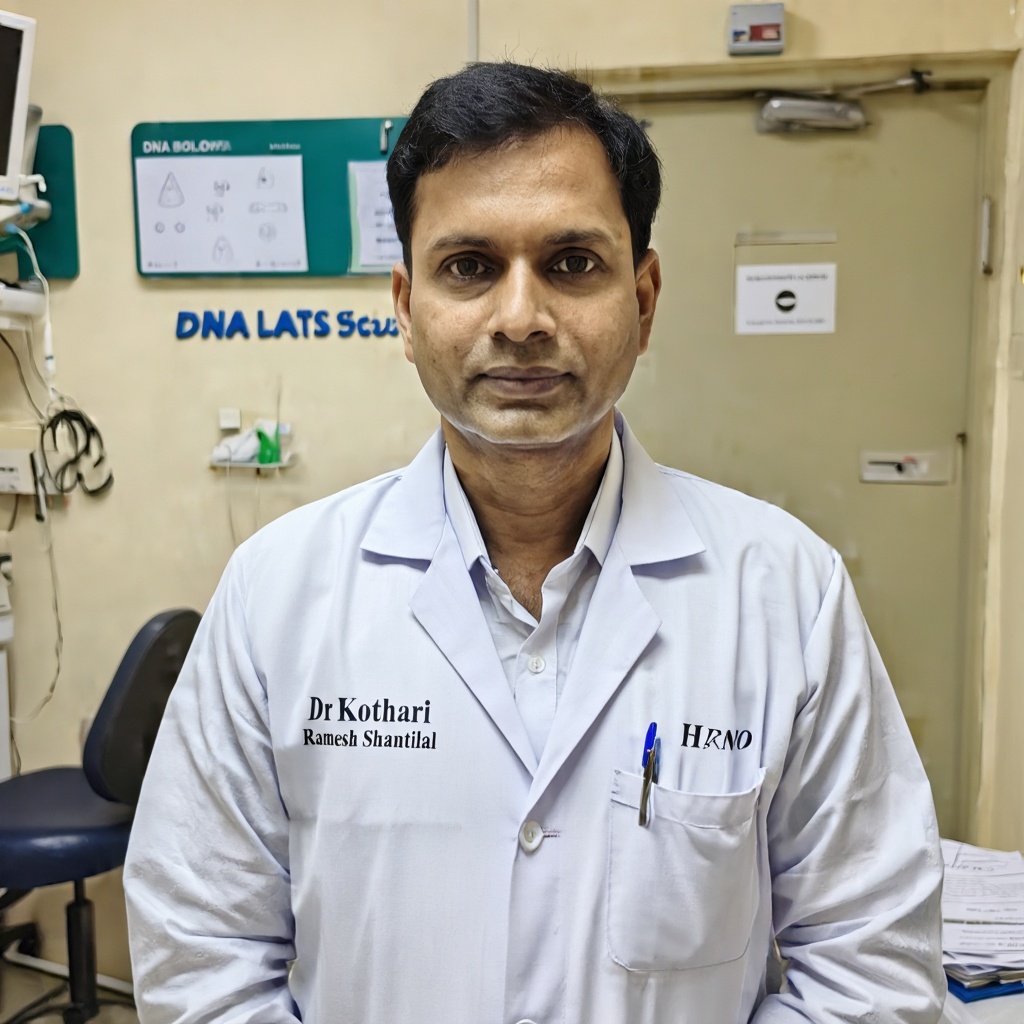
Dr Kothari Ramesh Shantilal
Consultant Microbiologist · Reg: 27670
Last reviewed: September 7, 2026
Overview
The Chlamydia Trachomatis PCR test is performed to detect the presence of Chlamydia trachomatis bacteria using nucleic acid amplification technology. It is used for diagnosing active chlamydial infections, screening asymptomatic individuals, confirming clinical suspicion of STIs, follow-up testing after treatment to confirm eradication, and screening during pregnancy to prevent neonatal transmission. The test is recommended by healthcare authorities as the preferred method for chlamydia detection due to its high sensitivity, specificity, and ability to test non-invasive samples such as urine.
- Test Code
- 298
- CPT Code
- 87491
- ICD Code
- A74.9
- Price
- ₹4,095
- Sample Type
- Urine OR Genital / Conjunctival Swabs
- Result Time
- Results are available next day. Sample must be received daily by 11:00 AM for next-day reporting.
- Fasting Required
- No
- Method
- Polymerase Chain Reaction (PCR)
Sample Collection
No special preparation is required. Patients should not urinate for at least 1 hour before providing a urine sample. Avoid using vaginal creams, douches, or antibiotics for at least 24-48 hours before sample collection if possible. Inform your healthcare provider about any current medications or recent antibiotic use.
Method: Urine collection or swab collection by trained phlebotomist
Laboratory Analysis
For urine samples: Collect the first-catch urine (initial stream) in a sterile screw-capped container. A minimum of 5 mL is required. For swab samples: A healthcare professional will collect the sample using a sterile swab from the cervix (women) or urethra (men). The procedure is quick and may cause mild discomfort.
Report Delivery
The sample is labeled, stored appropriately, and transported to the laboratory under refrigerated or frozen conditions. Results are typically available within 24 hours. No special post-collection care is required.
Timeline: Results are available next day. Sample must be received daily by 11:00 AM for next-day reporting.
Patient Instructions
About This Test
Who Should Get This Test
The Chlamydia Trachomatis PCR test is performed to detect the presence of Chlamydia trachomatis bacteria using nucleic acid amplification technology. It is used for diagnosing active chlamydial infections, screening asymptomatic individuals, confirming clinical suspicion of STIs, follow-up testing after treatment to confirm eradication, and screening during pregnancy to prevent neonatal transmission. The test is recommended by healthcare authorities as the preferred method for chlamydia detection due to its high sensitivity, specificity, and ability to test non-invasive samples such as urine.
How to Prepare
- Do not urinate for at least 1 hour before providing a urine sample
- Collect first-catch urine in the sterile container provided
- Ensure a minimum of 5 mL urine is collected
- For swab collection, follow the instructions provided by the healthcare professional
- Seal the container tightly and label with your name and date
- Store the sample refrigerated if there is a delay in transportation
- Avoid contamination of the sample with external material
Doctor's Notes
Reviewed by Dr Kothari Ramesh Shantilal — MBBS, MD (Microbiology) · Reg. No. 27670
"Chlamydia trachomatis is the most commonly reported bacterial sexually transmitted infection globally. Many infected individuals remain asymptomatic, making screening essential. PCR-based nucleic acid amplification tests (NAATs) are the gold standard for diagnosis due to their high sensitivity and specificity. Early detection through PCR testing enables timely treatment with antibiotics such as azithromycin or doxycycline, preventing serious complications including pelvic inflammatory disease, infertility, and ectopic pregnancy. Sexually active individuals, especially those under 25 or with multiple partners, should undergo routine screening."
Last medically reviewed: September 7, 2026
Test Parameters & Specifications
Sample Stability
- Leaking or unlabeled container
- Sample collected in non-sterile container
- Urine volume less than 5 mL
- Sample stored beyond stability period
- Heavily contaminated or improperly handled specimen
Understanding Your Results
Not Detected (Negative)
No Chlamydia trachomatis DNA was found in the sample. This generally indicates the absence of active chlamydial infection at the time of testing. If clinical suspicion remains high, repeat testing may be recommended.
Detected (Positive)
Chlamydia trachomatis DNA was found in the sample, confirming active infection. Treatment with appropriate antibiotics (e.g., azithromycin or doxycycline) should be initiated. Partner notification and treatment is essential. A test of cure is recommended 3-4 weeks after treatment completion.
Consult a doctor if you experience symptoms such as abnormal discharge, painful urination, pain during intercourse, lower abdominal pain, or testicular pain. If you have been exposed to a partner diagnosed with chlamydia, or if your test result is positive, seek medical consultation promptly for appropriate treatment. Pregnant women who test positive should consult their obstetrician immediately to prevent transmission to the newborn.
Limitations
- ⚠PCR detects DNA and cannot distinguish between viable and non-viable organisms
- ⚠A positive result does not indicate antibiotic resistance or treatment response
- ⚠Cross-reactivity with other Chlamydia species is extremely rare but theoretically possible
- ⚠Test performance may be affected in immunocompromised individuals
- ⚠Results should always be interpreted in conjunction with clinical findings and patient history
Risks & Considerations
- ●Urine sample collection has no associated risks
- ●Swab collection may cause mild, temporary discomfort
- ●Minimal risk of slight irritation at the swab collection site
- ●No significant procedural risks associated with this test
Interfering Factors
- ●Recent antibiotic use (within 2-4 weeks) may lead to false negative results
- ●Improper sample collection or storage may affect test accuracy
- ●Urine sample collected less than 1 hour after last void may yield suboptimal results
- ●Specimen contamination during collection may compromise results
- ●Menstrual blood in cervical swab samples may interfere with testing
Compare With Similar Tests
| Test | Chlamydia Trachomatis PCR Test | Chlamydia Culture | Chlamydia Rapid Antigen Test | Chlamydia Antibody Test (IgG/IgM) | Chlamydia DFA (Direct Fluorescent Antibody) |
|---|---|---|---|---|---|
| Comparison | Chlamydia Trachomatis PCR Test | Culture is less sensitive (65-85%) than PCR (>95%) and takes 2-3 days. PCR is preferred for routine screening and diagnosis. | Rapid antigen tests are less sensitive than PCR and may miss low-level infections. PCR is the gold standard for accuracy. | Antibody tests detect immune response, not active infection. They cannot distinguish between current and past infections. PCR detects active infection directly. | DFA is labor-intensive and less sensitive than PCR. It requires skilled microscopists and is being replaced by molecular methods. |
Frequently Asked Questions
What is a Chlamydia Trachomatis PCR test?
Why is the PCR test recommended over other chlamydia tests?
What sample types are accepted for this test?
Do I need to fast before the Chlamydia PCR test?
How accurate is the Chlamydia Trachomatis PCR test?
How long does it take to get the results?
What does a positive Chlamydia PCR test result mean?
What does a negative result mean?
Is home sample collection available for this test?
How much does the Chlamydia Trachomatis PCR test cost?
Who should get tested for chlamydia?
Can chlamydia be cured after a positive test result?
Related Tests
Reference Laboratory Services
We serve as a reference laboratory for hospitals and clinics across India. Send samples from your facility with same-day pickup, priority processing, and results delivered through our online portal. Competitive institutional pricing available.
Your Data Privacy
Your medical data is protected under Indian law.
✓ Stored in India: All patient records are stored on servers located in India. No data is transferred outside the country.
✓ DPDP Act Compliant: Under the Digital Personal Data Protection Act 2023, you can request deletion of your records at any time by contacting support.
Book Your Test
Enter your details and we'll connect you within 15 minutes.