
Chloroplast Genome Sequencing Data Analysis Test
Short Name: Chloroplast Genome Sequencing
Also known as: Chloroplast DNA Sequencing, Plastome Sequencing
Chloroplast Genome Sequencing Data Analysis Test test available at DNA Labs India for ₹15,000. Uses Next-Generation Sequencing (NGS), Bioinformatics Analysis on Extracted DNA samples. Results in Results are typically available within 10-14 business days after the sample reaches the laboratory.. Free home collection in 300+ cities across India.

🩺 Medically Reviewed By
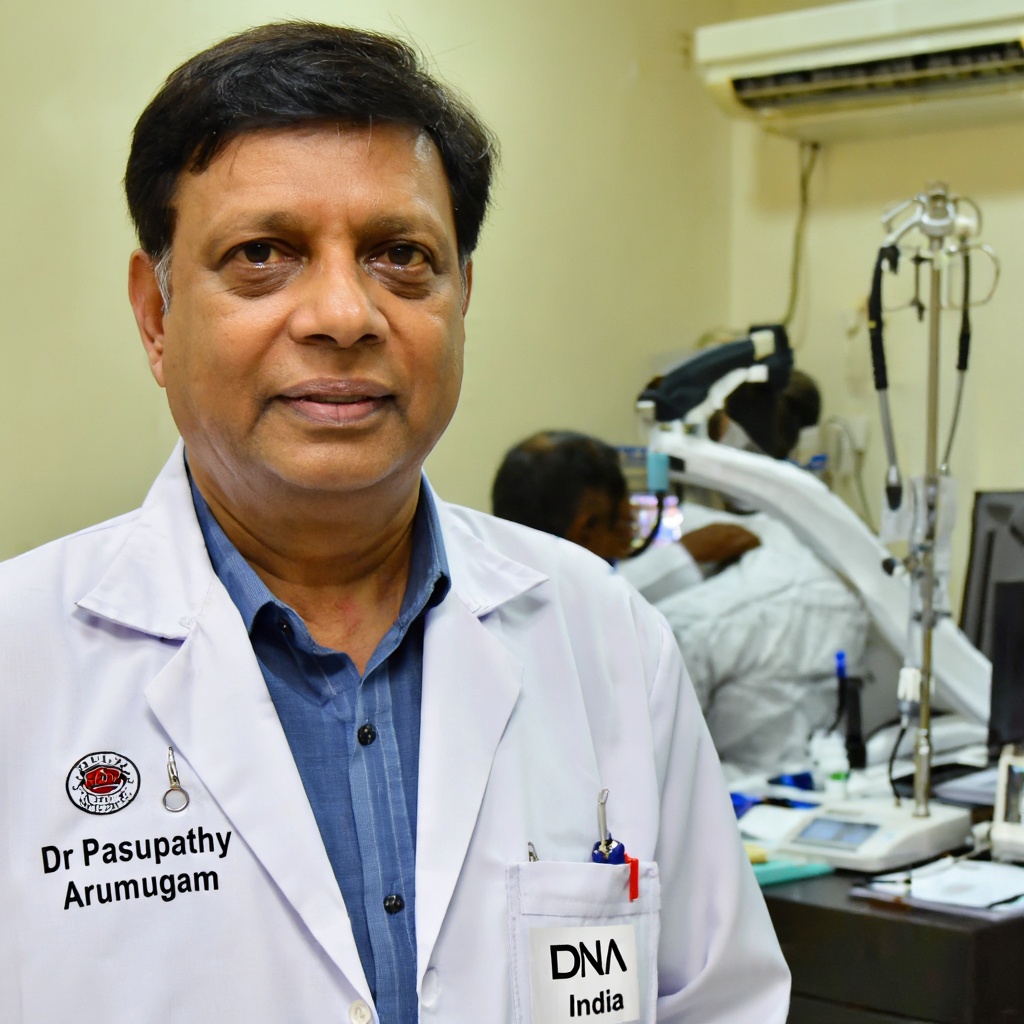
Dr Pasupathy Arumugam
Consultant Pathologist · Reg: 21521
Last reviewed: September 7, 2026
Overview
The purpose of chloroplast genome sequencing data analysis is to identify and characterize genetic variations within the chloroplast genome. This can help in understanding evolutionary relationships, identifying mutations associated with certain plant diseases, and supporting research in genetic engineering. In a clinical context, it may be used in research settings to explore potential links between chloroplast DNA and certain metabolic disorders, though such applications are still under investigation. The analysis provides a detailed report of the chloroplast genome sequence, highlighting any variations that may be of interest.
- Test Code
- 6396
- CPT Code
- 81479
- ICD Code
- Z13.79
- Price
- ₹15,000
- Sample Type
- Extracted DNA
- Result Time
- Results are typically available within 10-14 business days after the sample reaches the laboratory.
- Fasting Required
- No
- Method
- Next-Generation Sequencing (NGS), Bioinformatics Analysis
Sample Collection
No special preparation is required. However, if providing a blood sample, inform your healthcare provider about any medications you are taking.
Method: Blood or buccal swab (for DNA extraction)
Laboratory Analysis
The sample collection is a routine procedure. For blood draw, a tourniquet is applied and blood is drawn from a vein. For buccal swab, a sterile swab is rubbed inside the cheek.
Report Delivery
No specific aftercare is required. You may resume normal activities immediately.
Timeline: Results are typically available within 10-14 business days after the sample reaches the laboratory.
Patient Instructions
About This Test
Who Should Get This Test
The purpose of chloroplast genome sequencing data analysis is to identify and characterize genetic variations within the chloroplast genome. This can help in understanding evolutionary relationships, identifying mutations associated with certain plant diseases, and supporting research in genetic engineering. In a clinical context, it may be used in research settings to explore potential links between chloroplast DNA and certain metabolic disorders, though such applications are still under investigation. The analysis provides a detailed report of the chloroplast genome sequence, highlighting any variations that may be of interest.
How to Prepare
- Ensure the sample is labeled correctly with patient details
- Use the provided collection tube or swab
- Store the sample at room temperature if collected at home, and transport to the lab within 24 hours
- Avoid eating or drinking 30 minutes before buccal swab collection
Doctor's Notes
Reviewed by Dr Pasupathy Arumugam — MBBS, MD (Pathology) · Reg. No. 21521
"Chloroplast genome sequencing is a specialized tool primarily used in plant science and research. While not directly applicable to human genetic disorders, this analysis can be relevant for certain research contexts. Patients should consult with their healthcare provider to determine the appropriateness of this test for their specific situation."
Last medically reviewed: September 7, 2026
Test Parameters & Specifications
Sample Stability
- Hemolyzed blood samples
- Insufficient DNA quantity or quality
- Improper labeling
- Sample received after prolonged storage without proper preservation
Understanding Your Results
Indicates successful sequencing and assembly; no major structural abnormalities.
May be of research interest; further functional analysis recommended.
May require additional sequencing to confirm variants in those regions.
May affect accuracy; re-extraction or re-sequencing may be needed.
If you are considering this test for research purposes, consult with a qualified researcher or geneticist. For any clinical concerns, please consult your primary care physician or a genetic counselor.
Limitations
- ⚠This test is not intended for diagnosis of human genetic disorders
- ⚠Chloroplast genome is not directly associated with human diseases
- ⚠Interpretation may require expert bioinformatics analysis
- ⚠Results are for research purposes only
- ⚠Not a substitute for clinical genetic testing
Risks & Considerations
- ●No significant physical risks associated with sample collection
- ●Possible bruising or discomfort at blood draw site
- ●Psychological impact of unexpected findings (though rare for this test)
Interfering Factors
- ●Degraded DNA samples may lead to incomplete assembly
- ●Contamination with nuclear or mitochondrial DNA
- ●Low DNA concentration or purity
- ●PCR amplification errors during library preparation
- ●Bioinformatics pipeline variations
Compare With Similar Tests
| Test | Chloroplast Genome Sequencing Data Analysis | Whole Genome Sequencing | Mitochondrial Genome Sequencing | Targeted Gene Sequencing |
|---|---|---|---|---|
| Comparison | Chloroplast Genome Sequencing Data Analysis | Whole genome sequencing covers the entire nuclear genome, while chloroplast sequencing focuses only on the chloroplast genome. Chloroplast sequencing is more targeted and cost-effective for plant research. | Mitochondrial genome sequencing is used for human disorders, while chloroplast sequencing is for plant research. Both are organelle genomes but serve different purposes. | Targeted gene sequencing analyzes specific genes, whereas chloroplast sequencing analyzes the entire chloroplast genome. Chloroplast sequencing provides broader information. |
Frequently Asked Questions
What is chloroplast genome sequencing data analysis?
Is this test useful for diagnosing human genetic disorders?
What sample is required for this test?
How much does the test cost?
Is home sample collection available?
How long does it take to get results?
What is the turnaround time for the report?
Are there any special preparations required before the test?
Can this test be used for plant breeding programs?
Is the test NABL accredited?
Will I receive a genetic counseling session?
What is the difference between chloroplast and mitochondrial genome sequencing?
Related Tests
Reference Laboratory Services
We serve as a reference laboratory for hospitals and clinics across India. Send samples from your facility with same-day pickup, priority processing, and results delivered through our online portal. Competitive institutional pricing available.
Your Data Privacy
Your medical data is protected under Indian law.
✓ Stored in India: All patient records are stored on servers located in India. No data is transferred outside the country.
✓ DPDP Act Compliant: Under the Digital Personal Data Protection Act 2023, you can request deletion of your records at any time by contacting support.
Book Your Test
Enter your details and we'll connect you within 15 minutes.