
CRYBB3 Gene Cataract, Autosomal Recessive Congenital Nuclear Type 2 NGS Genetic Test
Short Name: CRYBB3 Cataract NGS
Also known as: CRYBB3 Cataract Genetic Test, Autosomal Recessive Congenital Nuclear Cataract Type 2 NGS Panel, Inherited Cataract NGS Test
CRYBB3 Gene Cataract, Autosomal Recessive Congenital Nuclear Type 2 NGS Genetic Test test available at DNA Labs India for ₹20,000. Uses Next Generation Sequencing (NGS), Sanger confirmation for detected variants on Blood or Extracted DNA or One drop Blood on FTA Card samples. Results in Samples are processed immediately. NGS sequencing and data analysis require laboratory time. Preliminary results may be available earlier, but final verified reports are issued within 3 to 4 weeks from sample receipt.. Free home collection in 300+ cities across India.

🩺 Medically Reviewed By
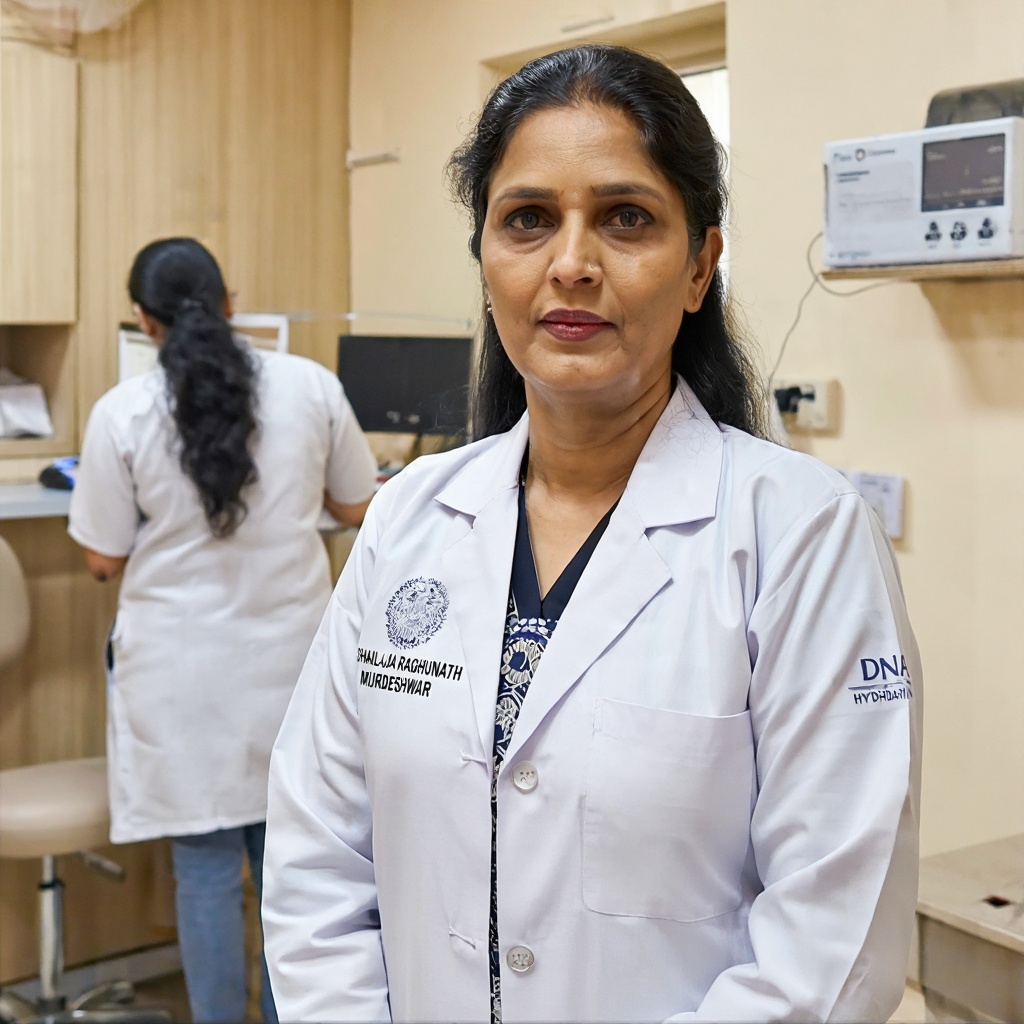
Dr SHAILAJA RAGHUNATH MURDESHWAR
Consultant Physician · Reg: 8052
Last reviewed: September 7, 2026
Overview
The purpose of this test is to detect mutations in the CRYBB3 gene responsible for autosomal recessive congenital nuclear type 2 cataract. It also screens other known cataract genes to provide a differential diagnosis and identify familial mutations. This NGS test supports clinical diagnosis, carrier detection, genotype-phenotype correlation, and genetic counselling for at-risk families.
- Test Code
- 3779
- CPT Code
- N/A
- ICD Code
- Q12.0
- Price
- ₹20,000
- Sample Type
- Blood or Extracted DNA or One drop Blood on FTA Card
- Result Time
- Samples are processed immediately. NGS sequencing and data analysis require laboratory time. Preliminary results may be available earlier, but final verified reports are issued within 3 to 4 weeks from sample receipt.
- Fasting Required
- No
- Method
- Next Generation Sequencing (NGS), Sanger confirmation for detected variants
Sample Collection
No fasting or special preparation required. Patient should carry previous medical records and family history information. A genetic counselling session with pedigree charting is recommended and can be scheduled prior to sample collection.
Method: Peripheral venipuncture / Finger prick for FTA card
Laboratory Analysis
Blood collection is performed using sterile technique. For FTA cards, a few drops of blood are spotted onto the card and allowed to air dry. The sample is then safely transported as per guidelines.
Report Delivery
No post-collection precautions required. In case of discomfort at puncture site, apply gentle pressure. Resume normal activities immediately.
Timeline: Samples are processed immediately. NGS sequencing and data analysis require laboratory time. Preliminary results may be available earlier, but final verified reports are issued within 3 to 4 weeks from sample receipt.
Patient Instructions
About This Test
Who Should Get This Test
The purpose of this test is to detect mutations in the CRYBB3 gene responsible for autosomal recessive congenital nuclear type 2 cataract. It also screens other known cataract genes to provide a differential diagnosis and identify familial mutations. This NGS test supports clinical diagnosis, carrier detection, genotype-phenotype correlation, and genetic counselling for at-risk families.
How to Prepare
- Ensure the patient is correctly identified with full name and date of birth
- For blood sample: use EDTA tube and mix gently by inversion to prevent clotting
- For FTA card: apply blood drops only in the indicated circles
- Label the sample with patient ID and date of collection
- Store blood sample at 2-8°C if delay in dispatch; do not freeze whole blood
- Avoid sample exposure to extreme heat or direct sunlight
Doctor's Notes
Reviewed by Dr SHAILAJA RAGHUNATH MURDESHWAR — MBBS, MD (General Medicine) · Reg. No. 8052
"Genetic testing is essential for accurate diagnosis and genetic counselling of families with congenital cataracts. NGS-based testing offers a comprehensive approach to identify the underlying cause, enabling early intervention and informed reproductive decisions."
Last medically reviewed: September 7, 2026
Test Parameters & Specifications
Sample Stability
- Hemolyzed or clotted blood sample
- Unlabelled or mislabeled sample
- Sample received without consent or test requisition form
- Container leaked during transport
- Sample older than acceptance limit
Understanding Your Results
Pathogenic variant detected
Confirms molecular diagnosis of CRYBB3-related autosomal recessive congenital nuclear type 2 cataract. Both alleles likely altered; carrier status requires further family analysis.
Likely pathogenic variant detected
Highly suggestive causative variant; additional evidence from family segregation may be needed to confirm.
No pathogenic variant detected
No known disease-causing variant identified in the CRYBB3 gene or analyzed panel genes. Other genetic or non-genetic causes may be present.
Variant of uncertain significance (VUS)
A genetic variant was found but currently unknown correlation with disease. Further testing of affected family members may clarify its significance.
Consult a clinical geneticist or genetic counsellor if you have a family history of congenital cataract, are a known carrier of a CRYBB3 mutation, or have a child with any form of cataract. Also consult an ophthalmologist if you or your child experience clouded or blurry vision, glare sensitivity, or difficulty with night vision. Early consultation can lead to timely surgical or optical management and appropriate reproductive counselling.
Limitations
- ⚠NGS may not detect deep intronic variants, large gene deletions/duplications, or mitochondrial variants unless specifically analyzed
- ⚠This test is not intended to determine disease severity or progression
- ⚠Results should be interpreted in the context of clinical findings and family history
- ⚠Genetic variants of uncertain significance (VUS) may be reported; additional family co-segregation analysis may be required
Risks & Considerations
- ●No significant risks for blood sample collection
- ●Minimal pain or bruising at venipuncture site
- ●Rare chance of vasovagal episode during blood draw
- ●Psychological impact after receiving genetic results (counselling provided)
Interfering Factors
- ●Recent blood transfusion within 2 weeks may dilute nucleated cells and affect DNA extraction
- ●Bone marrow transplant recipient: results may reflect donor DNA rather than patient's genetic constitution
- ●Clotted blood sample due to improper storage or prolonged transit
- ●Incorrect sample labelling or patient identification
Compare With Similar Tests
| Test | CRYBB3 Gene Cataract, Autosomal Recessive Congenital Nuclear Type 2 NGS Genetic Test | Single-gene CRYBB3 Sanger Sequencing | Comprehensive Inherited Cataract NGS Panel |
|---|---|---|---|
| Comparison | CRYBB3 Gene Cataract, Autosomal Recessive Congenital Nuclear Type 2 NGS Genetic Test |
Frequently Asked Questions
What is CRYBB3 Gene Cataract?
What are common symptoms of CRYBB3-related cataract?
How accurate is the NGS genetic test for cataract?
What is the cost of the CRYBB3 NGS genetic test at DNA Labs India?
How is the sample collected for this test?
Do I need to fast before the test?
What is the turnaround time for results?
Will this test detect all types of congenital cataract?
Can this test be done for children?
What is the difference between Sanger sequencing and NGS?
Is genetic counselling included in the test?
How will I receive my report?
Related Tests
Leber's Hereditary Optic Neuropathy (LHON) Mitochondrial Mutation Detection Test
₹25,000Nx Gen Sequencing: Glaucoma Test
₹28,665Nx Gen Sequencing: Corneal Dystrophy Test
₹28,665Nx Gen Sequencing: Leber Congenital Amaurosis Test
₹28,665Nx Gen Sequencing: Optic Atrophy Test
₹28,665GPR143 Gene Albinism, Ocular Type I, Nettleship-Falls Type NGS Genetic Test
₹20,000Reference Laboratory Services
We serve as a reference laboratory for hospitals and clinics across India. Send samples from your facility with same-day pickup, priority processing, and results delivered through our online portal. Competitive institutional pricing available.
Your Data Privacy
Your medical data is protected under Indian law.
✓ Stored in India: All patient records are stored on servers located in India. No data is transferred outside the country.
✓ DPDP Act Compliant: Under the Digital Personal Data Protection Act 2023, you can request deletion of your records at any time by contacting support.
Book Your Test
Enter your details and we'll connect you within 15 minutes.