
DNA Extraction from Cultured Cells Test
Short Name: DNA Extraction (Cultured Cells)
Also known as: DNA Isolation from Cultured Cells, Genomic DNA Extraction from Cell Culture
DNA Extraction from Cultured Cells Test test available at DNA Labs India for ₹850. Uses Phenol-Chloroform Extraction, Column-Based Purification on Tissue (Cultured Cells) samples. Results in Reports are typically available within 5 days after sample receipt. You will be notified via SMS/email when the report is ready.. Free home collection in 300+ cities across India.
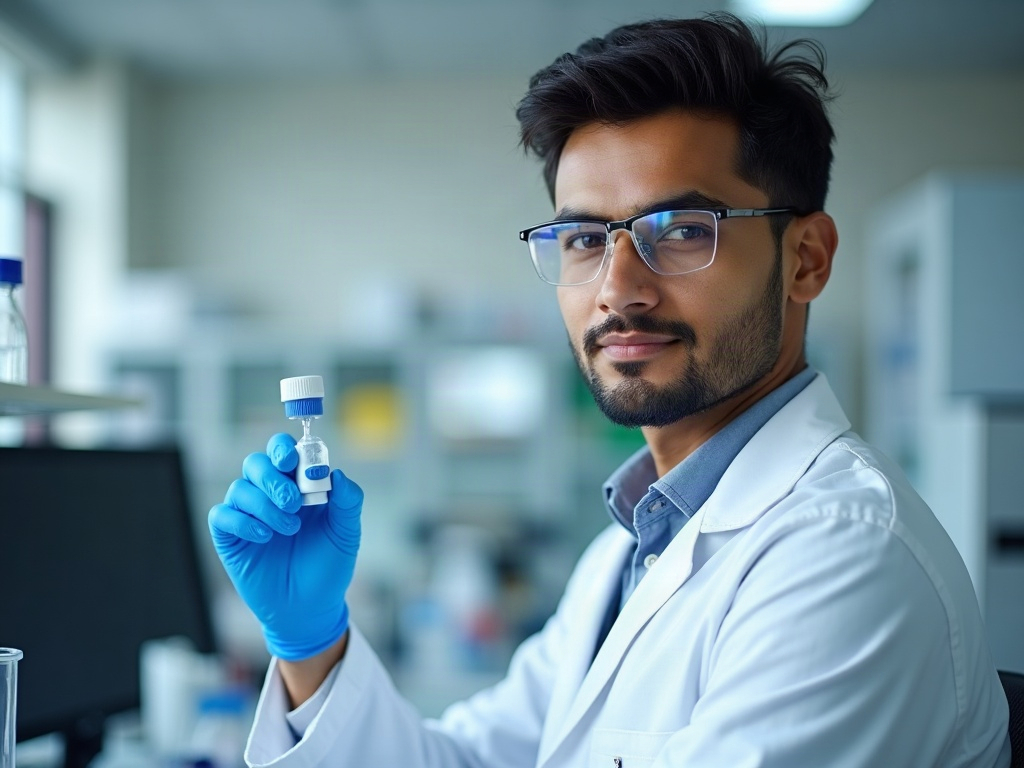
🩺 Medically Reviewed By
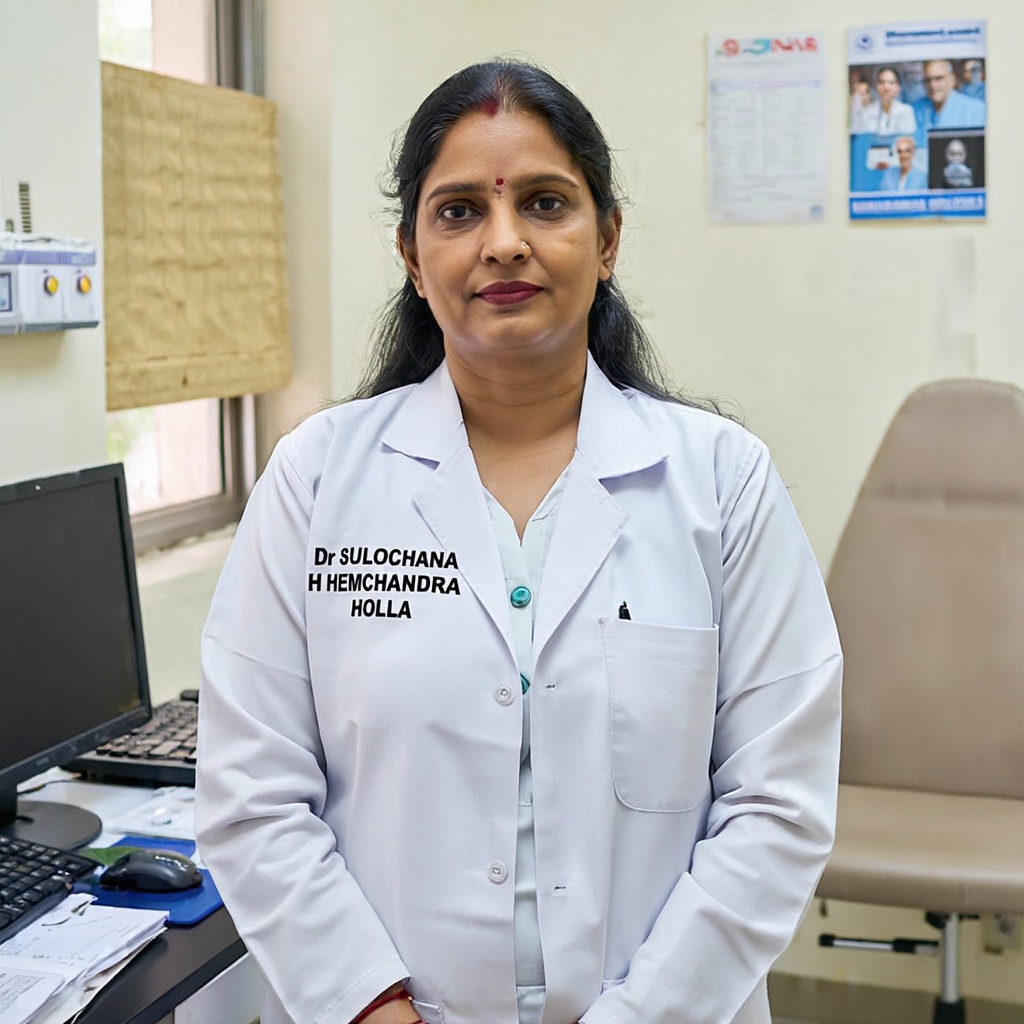
Dr SULOCHANA HEMCHANDRA HOLLA
Consultant Medical Geneticist · Reg: 8532
Last reviewed: September 7, 2026
Overview
The primary purpose of DNA extraction from cultured cells is to obtain high-quality genomic DNA for various applications, including genetic disorder diagnosis, pharmacogenomics, cancer research, and infectious disease testing. This service is often required when cells are cultured for diagnostic purposes, such as prenatal testing, tumor profiling, or research studies. By isolating DNA, clinicians can identify genetic mutations, chromosomal abnormalities, or gene expression patterns that aid in disease diagnosis and treatment planning. Additionally, extracted DNA can be stored for future testing or used in biobanking. At DNA Labs India, we ensure that the extracted DNA meets the required quality standards for accurate and reliable results.
- Test Code
- 6321
- CPT Code
- CPT 83890
- ICD Code
- Z01.89
- Price
- ₹850
- Sample Type
- Tissue (Cultured Cells)
- Result Time
- Reports are typically available within 5 days after sample receipt. You will be notified via SMS/email when the report is ready.
- Fasting Required
- No
- Method
- Phenol-Chloroform Extraction, Column-Based Purification
Sample Collection
No special preparation is required. However, ensure that the cultured cells are provided in a sterile container with appropriate culture medium or as a cell pellet. Inform the lab about any specific requirements.
Method: Biopsy or cell culture sample submission
Laboratory Analysis
The sample will be collected by a trained professional. For home collection, our phlebotomist will visit your location. Ensure that the sample is handled carefully to avoid contamination.
Report Delivery
The sample will be transported to our laboratory under controlled conditions. Results will be available within 5 days. You will receive a notification when the report is ready.
Timeline: Reports are typically available within 5 days after sample receipt. You will be notified via SMS/email when the report is ready.
Patient Instructions
About This Test
Who Should Get This Test
The primary purpose of DNA extraction from cultured cells is to obtain high-quality genomic DNA for various applications, including genetic disorder diagnosis, pharmacogenomics, cancer research, and infectious disease testing. This service is often required when cells are cultured for diagnostic purposes, such as prenatal testing, tumor profiling, or research studies. By isolating DNA, clinicians can identify genetic mutations, chromosomal abnormalities, or gene expression patterns that aid in disease diagnosis and treatment planning. Additionally, extracted DNA can be stored for future testing or used in biobanking. At DNA Labs India, we ensure that the extracted DNA meets the required quality standards for accurate and reliable results.
How to Prepare
- Cultured cells should be provided in a sterile tube with culture medium or as a cell pellet
- Label the tube with patient name, date, and sample type
- Maintain the sample at 2-8°C if immediate transport is not possible
- Avoid freezing the sample without proper cryopreservation medium
Doctor's Notes
Reviewed by Dr SULOCHANA HEMCHANDRA HOLLA — MBBS, MD (Medical Genetics) · Reg. No. 8532
"DNA extraction from cultured cells is a foundational step in genetic diagnostics. Ensuring high-quality DNA is critical for accurate downstream testing, such as mutation analysis or sequencing. At DNA Labs India, we follow stringent protocols to minimize contamination and degradation."
Last medically reviewed: September 7, 2026
Test Parameters & Specifications
Sample Stability
- Sample with visible contamination or hemolysis
- Insufficient cell number (less than 1 million cells)
- Sample not labeled correctly
- Sample received in inappropriate container
Understanding Your Results
Low yield, may require re-extraction or additional cells
Protein contamination, may affect downstream reactions
RNA contamination, may require additional purification
Poor quality, may not be suitable for large fragment analysis
If you have symptoms suggestive of a genetic disorder, such as developmental delays, physical abnormalities, or chronic health issues, consult a geneticist or your primary care physician. DNA testing can help in diagnosis and management.
Limitations
- ⚠DNA extraction is a preparatory step and does not provide diagnostic results on its own
- ⚠Quality of extracted DNA depends on the condition of the cultured cells
- ⚠May require additional testing (e.g., PCR, sequencing) for clinical interpretation
Risks & Considerations
- ●No significant risks associated with this test
- ●If sample collection involves biopsy, there is a minimal risk of bleeding or infection
Interfering Factors
- ●Contamination with RNA or proteins can affect purity ratios
- ●Degradation of DNA due to improper storage or handling
- ●Presence of PCR inhibitors in the sample
- ●Insufficient cell number leading to low DNA yield
Compare With Similar Tests
| Test | DNA Extraction from Cultured Cells | DNA Extraction from Blood | DNA Extraction from Buccal Swab | DNA Extraction from Cultured Cells |
|---|---|---|---|---|
| Comparison | DNA Extraction from Cultured Cells |
Frequently Asked Questions
What is DNA extraction from cultured cells?
What is the cost of DNA extraction from cultured cells in India?
What sample type is required for this test?
How long does it take to get the results?
Is fasting required before the test?
Can I get a home sample collection?
What are the common symptoms of genetic disorders?
How is DNA extraction from cultured cells different from blood DNA extraction?
What is the purity ratio (A260/A280) and why is it important?
Can this test be used for prenatal diagnosis?
Are there any risks associated with this test?
How should I prepare for the test?
Related Tests
Reference Laboratory Services
We serve as a reference laboratory for hospitals and clinics across India. Send samples from your facility with same-day pickup, priority processing, and results delivered through our online portal. Competitive institutional pricing available.
Your Data Privacy
Your medical data is protected under Indian law.
✓ Stored in India: All patient records are stored on servers located in India. No data is transferred outside the country.
✓ DPDP Act Compliant: Under the Digital Personal Data Protection Act 2023, you can request deletion of your records at any time by contacting support.
Book Your Test
Enter your details and we'll connect you within 15 minutes.