
DNA Extraction from Solid Tissue - Plant Test
Short Name: Plant DNA Extraction
Also known as: Plant DNA Isolation, Solid Tissue DNA Extraction
DNA Extraction from Solid Tissue - Plant Test test available at DNA Labs India for ₹850. Uses CTAB method, Qiagen DNeasy Plant Mini Kit on Plant tissue (leaf, root, stem, fruit) samples. Results in Reports are delivered within 4 days from sample receipt.. Free home collection in 300+ cities across India.
🩺 Medically Reviewed By
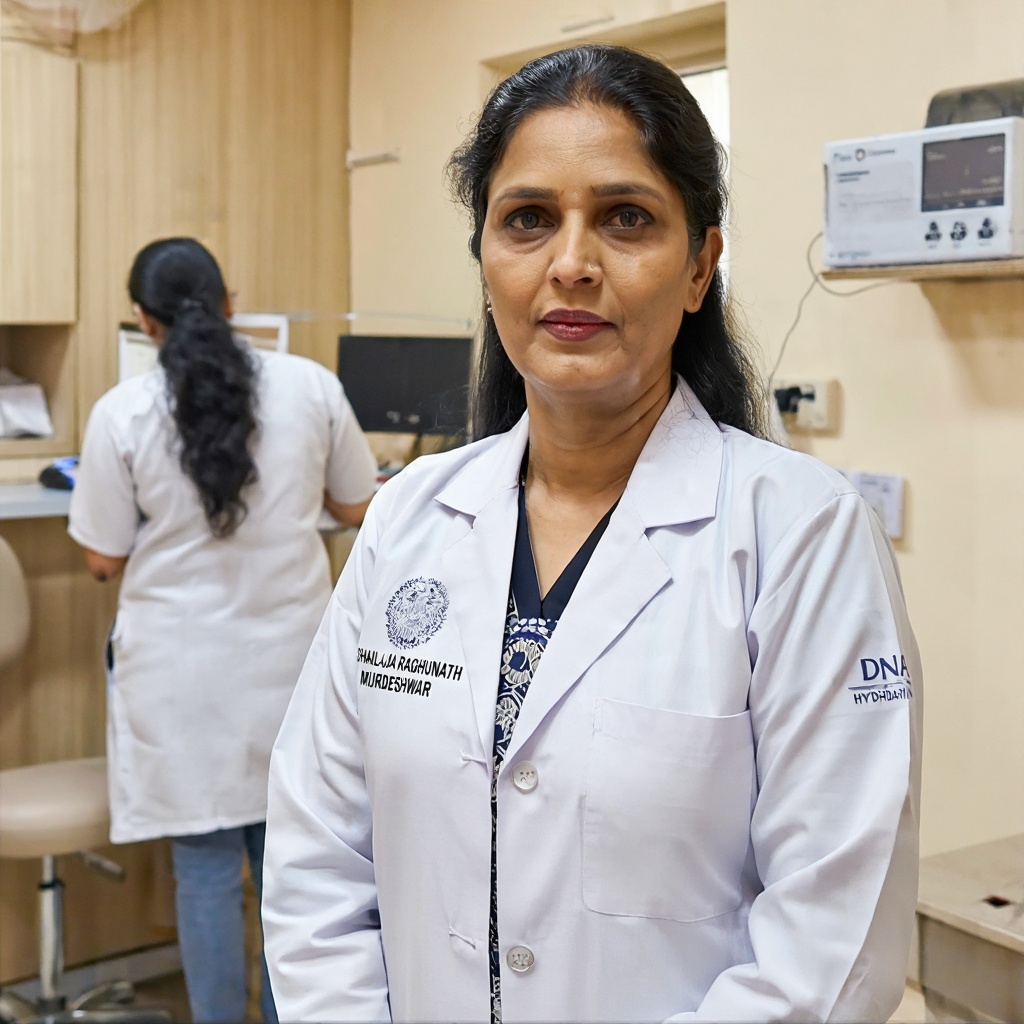
Dr SHAILAJA RAGHUNATH MURDESHWAR
Consultant Physician · Reg: 8052
Last reviewed: September 7, 2026
Overview
The primary purpose of DNA extraction from solid plant tissue is to obtain pure, intact DNA suitable for various downstream applications, including PCR, sequencing, restriction fragment length polymorphism (RFLP), and next-generation sequencing (NGS). High-quality DNA is essential for accurate genotyping, marker-assisted selection, phylogenetic studies, and detection of plant pathogens. This test is also used in forensic botany and quality control of herbal products.
- Test Code
- 6319
- CPT Code
- CPT 83891
- ICD Code
- Z01.89
- Price
- ₹850
- Sample Type
- Plant tissue (leaf, root, stem, fruit)
- Result Time
- Reports are delivered within 4 days from sample receipt.
- Fasting Required
- No
- Method
- CTAB method, Qiagen DNeasy Plant Mini Kit
Sample Collection
Ensure the plant tissue is fresh and free from visible contamination. If possible, collect young, healthy tissue for optimal DNA yield. Place the sample in the provided sterile container with desiccant or silica gel to preserve DNA integrity during transport. Avoid freezing without proper preservation.
Method: Sterile scalpel or punch, placed in provided container
Laboratory Analysis
Use sterile scissors or a scalpel to cut approximately 100 mg of tissue. Avoid touching the sample with bare hands. Immediately place the tissue into the collection tube and seal tightly. Label the tube with your details.
Report Delivery
Store the sample at room temperature if using desiccant, or refrigerate if processing within 24 hours. Ship the sample to the laboratory as soon as possible. Ensure the sample does not get wet or contaminated.
Timeline: Reports are delivered within 4 days from sample receipt.
Patient Instructions
About This Test
Who Should Get This Test
The primary purpose of DNA extraction from solid plant tissue is to obtain pure, intact DNA suitable for various downstream applications, including PCR, sequencing, restriction fragment length polymorphism (RFLP), and next-generation sequencing (NGS). High-quality DNA is essential for accurate genotyping, marker-assisted selection, phylogenetic studies, and detection of plant pathogens. This test is also used in forensic botany and quality control of herbal products.
How to Prepare
- Collect 100 mg of plant tissue (leaf, root, stem, or fruit).
- Use sterile tools to avoid contamination.
- Place tissue in the provided sterile tube with desiccant.
- Label the tube with patient/sample ID and date.
- Transport at room temperature or refrigerated (2-8°C) if delay expected.
Doctor's Notes
Reviewed by Dr SHAILAJA RAGHUNATH MURDESHWAR — MBBS, MD (General Medicine) · Reg. No. 8052
"High-quality DNA extraction is the cornerstone of reliable genetic testing. Our standardized protocols ensure pure, intact DNA suitable for a wide range of downstream applications."
Last medically reviewed: September 7, 2026
Test Parameters & Specifications
Sample Stability
- Sample received in leaking or broken container
- Insufficient tissue amount (<50 mg)
- Sample contaminated with soil or mold
- Sample without proper labeling
- Sample stored in inappropriate conditions (e.g., wet, frozen without preservative)
Understanding Your Results
A concentration ≥ 50 ng/µL is generally sufficient for most downstream applications. Lower concentrations may require concentration steps or re-extraction.
A ratio between 1.8 and 2.0 indicates pure DNA. Ratios below 1.8 suggest protein contamination, while ratios above 2.0 may indicate RNA contamination.
A high molecular weight band on agarose gel indicates intact DNA. Smearing suggests degradation, which may affect downstream results.
If you are a researcher or clinician planning to use the extracted DNA for genetic testing, it is advisable to consult with a geneticist or molecular biologist to ensure the DNA quality meets the requirements of your specific application. For clinical diagnostics, a physician should interpret the results in the context of the patient's condition.
Limitations
- ⚠DNA yield may vary depending on plant species and tissue type
- ⚠Highly fibrous or woody tissues may require additional processing
- ⚠Degraded DNA may not be suitable for certain downstream applications
- ⚠The test does not include any downstream analysis (e.g., PCR, sequencing)
Risks & Considerations
- ●No significant risks are associated with this test as it involves plant tissue only.
Interfering Factors
- ●Presence of polysaccharides and polyphenols in plant tissue
- ●Insufficient tissue amount or poor sample preservation
- ●Contamination with soil or other organic matter
- ●Excessive mechanical shearing during homogenization
Compare With Similar Tests
| Test | DNA Extraction from Solid Tissue - Plant | ||
|---|---|---|---|
| Comparison | DNA Extraction from Solid Tissue - Plant |
Frequently Asked Questions
What is DNA extraction from solid tissue?
Why is plant DNA extraction more difficult than animal DNA extraction?
What is the cost of DNA extraction from plant tissue at DNA Labs India?
What types of plant tissues can be used for this test?
How much plant tissue is required?
What is the turnaround time for this test?
Is home sample collection available?
What methods are used for DNA extraction?
How is the quality of extracted DNA assessed?
Can the extracted DNA be used for PCR or sequencing?
Are there any special precautions for sample collection?
Is this test covered by insurance?
Related Tests
Reference Laboratory Services
We serve as a reference laboratory for hospitals and clinics across India. Send samples from your facility with same-day pickup, priority processing, and results delivered through our online portal. Competitive institutional pricing available.
Your Data Privacy
Your medical data is protected under Indian law.
✓ Stored in India: All patient records are stored on servers located in India. No data is transferred outside the country.
✓ DPDP Act Compliant: Under the Digital Personal Data Protection Act 2023, you can request deletion of your records at any time by contacting support.
Book Your Test
Enter your details and we'll connect you within 15 minutes.