
EDA Gene Ectodermal dysplasia, hypohidrotic, X-linked NGS Genetic Test
Short Name: EDA Gene HED NGS Test
Also known as: Hypohidrotic Ectodermal Dysplasia, HED, X-linked Ectodermal Dysplasia
EDA Gene Ectodermal dysplasia, hypohidrotic, X-linked NGS Genetic Test test available at DNA Labs India for ₹20,000. Uses NGS Technology on Blood or Extracted DNA or One drop Blood on FTA Card samples. Results in 3 to 4 Weeks. Free home collection in 300+ cities across India.

🩺 Medically Reviewed By
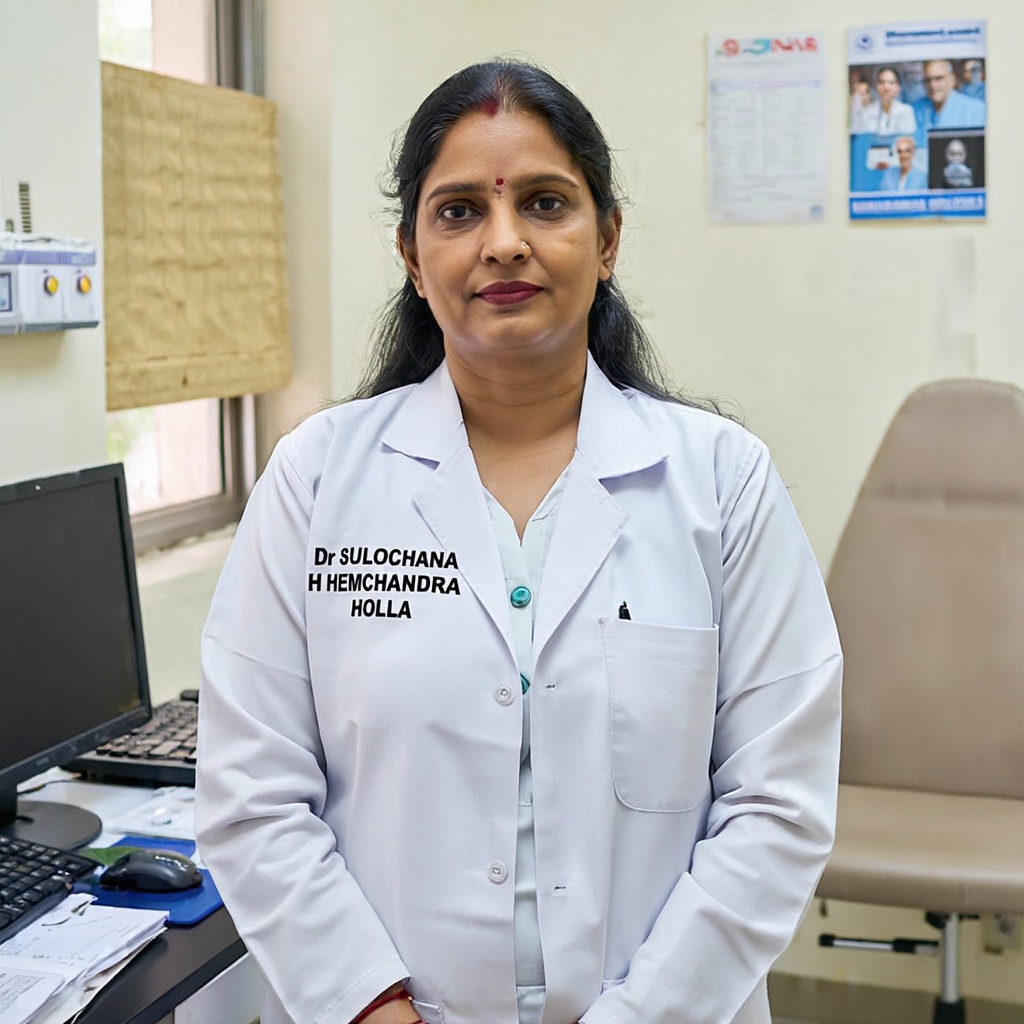
Dr SULOCHANA HEMCHANDRA HOLLA
Consultant Medical Geneticist · Reg: 8532
Last reviewed: September 7, 2026
Overview
To identify pathogenic mutations in the EDA gene that cause X-linked hypohidrotic ectodermal dysplasia, enabling accurate diagnosis, genetic counseling, and informed management decisions.
- Test Code
- 4908
- Price
- ₹20,000
- Sample Type
- Blood or Extracted DNA or One drop Blood on FTA Card
- Result Time
- 3 to 4 Weeks
- Fasting Required
- No
- Method
- NGS Technology
Sample Collection
Provide detailed clinical history and undergo genetic counseling to draw a pedigree chart of affected family members.
Method: Venipuncture or FTA Card
Laboratory Analysis
Blood sample will be collected via venipuncture or using an FTA card with a single drop of blood.
Report Delivery
Apply pressure to the puncture site to prevent bruising. Store samples at ambient room temperature until processing.
Timeline: 3 to 4 Weeks
Patient Instructions
About This Test
Who Should Get This Test
To identify pathogenic mutations in the EDA gene that cause X-linked hypohidrotic ectodermal dysplasia, enabling accurate diagnosis, genetic counseling, and informed management decisions.
How to Prepare
- Obtain clinical history of the patient
- Conduct a genetic counseling session to document family history
- Use sterile equipment for blood collection
- Label samples correctly with patient details
Doctor's Notes
Reviewed by Dr SULOCHANA HEMCHANDRA HOLLA — MBBS, MD (Medical Genetics) · Reg. No. 8532
"This NGS test is essential for confirming diagnosis in suspected cases of X-linked hypohidrotic ectodermal dysplasia, aiding in genetic counseling and management."
Last medically reviewed: September 7, 2026
Test Parameters & Specifications
Sample Stability
- Hemolyzed or lipemic samples
- Insufficient sample volume
- Contaminated or improperly labeled samples
Understanding Your Results
Positive for pathogenic mutation
Confirms diagnosis of X-linked hypohidrotic ectodermal dysplasia. Genetic counseling and management planning are advised.
Negative for pathogenic mutation
No mutation detected in the EDA gene. Clinical correlation is necessary, as symptoms may be due to other causes.
Variant of uncertain significance (VUS)
A genetic variant was found, but its clinical significance is unclear. Further testing or family studies may be required.
If you or your child exhibit symptoms such as missing teeth, inability to sweat, dry skin, sparse hair, or brittle nails, or if there is a family history of ectodermal dysplasia.
Limitations
- ⚠May not detect all types of genetic variants (e.g., large deletions)
- ⚠Requires clinical correlation for interpretation
- ⚠Genetic counseling is recommended pre- and post-test
Risks & Considerations
- ●Minor bruising or pain at the blood draw site
- ●Rare risk of infection or fainting
Interfering Factors
- ●Sample contamination
- ●Improper sample storage or handling
- ●Degraded DNA quality
Compare With Similar Tests
| Test | EDA Gene Ectodermal dysplasia, hypohidrotic, X-linked NGS Genetic Test | Ectodermal Dysplasia Panel | Sweat Test | Dental X-ray | Skin Biopsy |
|---|---|---|---|---|---|
| Comparison | EDA Gene Ectodermal dysplasia, hypohidrotic, X-linked NGS Genetic Test |
Frequently Asked Questions
What is EDA Gene Ectodermal Dysplasia?
How is the NGS Genetic Test performed?
What is the cost of the test?
Is home collection available for this test?
How long does it take to get results?
Who should consider getting this test?
What are the common symptoms of HED?
Is the test covered by insurance?
What is NGS technology?
Can females be affected by this condition?
What is the inheritance pattern of HED?
How should I prepare for the test?
Related Tests
Nx Gen Sequencing: Albinism Test
₹28,665ADAR Gene Dyschromatosis Symmetrica Hereditaria NGS Genetic Test
₹20,000COL7A1 Gene Epidermolysis bullosa dystrophica NGS Genetic Test
₹20,000KRT14 Gene Epidermolysis bullosa simplex, Dowling-Meara type NGS Genetic Test
₹20,000LAMA3 Gene Epidermolysis bullosa, generalized atrophic benign NGS Genetic Test
₹20,000ENPP1 Gene Cole disease NGS Genetic Test
₹20,000Reference Laboratory Services
We serve as a reference laboratory for hospitals and clinics across India. Send samples from your facility with same-day pickup, priority processing, and results delivered through our online portal. Competitive institutional pricing available.
Your Data Privacy
Your medical data is protected under Indian law.
✓ Stored in India: All patient records are stored on servers located in India. No data is transferred outside the country.
✓ DPDP Act Compliant: Under the Digital Personal Data Protection Act 2023, you can request deletion of your records at any time by contacting support.
Book Your Test
Enter your details and we'll connect you within 15 minutes.