
EFTUD2 Gene Mandibulofacial dysostosis with microcephaly NGS Genetic Test
Short Name: EFTUD2 NGS Test
Also known as: EFTUD2 Gene Test, Mandibulofacial Dysostosis NGS, MFDM NGS
EFTUD2 Gene Mandibulofacial dysostosis with microcephaly NGS Genetic Test test available at DNA Labs India for ₹20,000. Uses Next Generation Sequencing (NGS) on Blood or Extracted DNA or One drop Blood on FTA Card samples. Results in Results are typically available within 3 to 4 weeks after the sample reaches the laboratory.. Free home collection in 300+ cities across India.

🩺 Medically Reviewed By
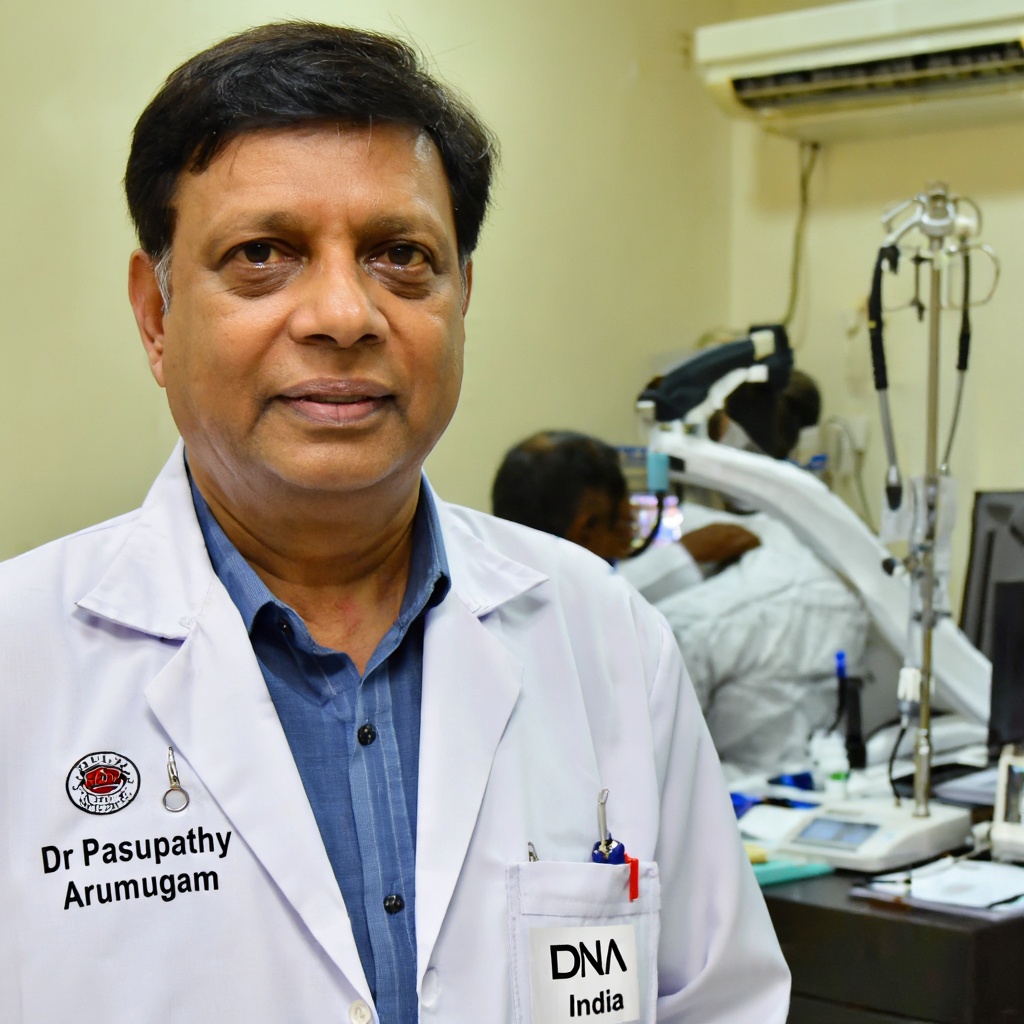
Dr Pasupathy Arumugam
Consultant Pathologist · Reg: 21521
Last reviewed: September 3, 2026
Overview
The purpose of this test is to identify pathogenic mutations in the EFTUD2 gene that cause mandibulofacial dysostosis with microcephaly. It is indicated for individuals with clinical features suggestive of MFDM, including microcephaly, facial dysmorphism, and hearing loss. Genetic confirmation helps in establishing a definitive diagnosis, guiding prognosis, and providing recurrence risk counseling for families.
- Test Code
- 5827
- CPT Code
- 81407
- ICD Code
- Q87.0
- Price
- ₹20,000
- Sample Type
- Blood or Extracted DNA or One drop Blood on FTA Card
- Result Time
- Results are typically available within 3 to 4 weeks after the sample reaches the laboratory.
- Fasting Required
- No
- Method
- Next Generation Sequencing (NGS)
Sample Collection
No special preparation required. A genetic counseling session is recommended before the test to discuss the implications.
Method: Venipuncture or Fingerstick
Laboratory Analysis
Blood sample will be collected by a trained phlebotomist. For FTA card, a simple fingerstick is sufficient.
Report Delivery
No restrictions. The sample will be transported to the laboratory for analysis.
Timeline: Results are typically available within 3 to 4 weeks after the sample reaches the laboratory.
Patient Instructions
About This Test
Who Should Get This Test
The purpose of this test is to identify pathogenic mutations in the EFTUD2 gene that cause mandibulofacial dysostosis with microcephaly. It is indicated for individuals with clinical features suggestive of MFDM, including microcephaly, facial dysmorphism, and hearing loss. Genetic confirmation helps in establishing a definitive diagnosis, guiding prognosis, and providing recurrence risk counseling for families.
How to Prepare
- For blood: collect in EDTA tube, mix gently
- For FTA card: apply one drop of blood on the card, air dry
- Label the sample with patient ID and date
Doctor's Notes
Reviewed by Dr Pasupathy Arumugam — MBBS, MD (Pathology) · Reg. No. 21521
"Early genetic confirmation of EFTUD2 mutations is crucial for managing mandibulofacial dysostosis with microcephaly. NGS provides comprehensive analysis for timely intervention."
Last medically reviewed: September 3, 2026
Test Parameters & Specifications
Sample Stability
- Hemolyzed or clotted blood sample
- Insufficient sample volume
- Improperly labeled sample
- Sample received after prolonged transit without proper storage
Understanding Your Results
Pathogenic variant detected
Confirms diagnosis of mandibulofacial dysostosis with microcephaly. Genetic counseling recommended.
Variant of uncertain significance (VUS)
Further testing or family studies may be needed to clarify significance.
No pathogenic variant detected
Does not confirm MFDM; consider other genetic causes or clinical re-evaluation.
Consult a clinical geneticist or pediatrician if your child shows features of MFDM, such as microcephaly, facial dysmorphism, or hearing loss. Early referral for genetic testing is advised.
Limitations
- ⚠NGS may not detect large deletions/duplications (requires additional testing)
- ⚠Variants in non-coding regions may be missed
- ⚠Results may be inconclusive if a variant of uncertain significance is found
Risks & Considerations
- ●Minimal risk of bruising or infection at the blood draw site
- ●Psychological impact of receiving genetic results
- ●Potential for uncertain results (VUS)
Interfering Factors
- ●Contaminated or degraded DNA sample
- ●Incomplete clinical information
- ●Presence of maternal cell contamination in prenatal samples
Compare With Similar Tests
| Test | EFTUD2 Gene Mandibulofacial dysostosis with microcephaly NGS Genetic Test | Chromosomal Microarray (CMA) | Sanger Sequencing | Whole Exome Sequencing (WES) |
|---|---|---|---|---|
| Comparison | EFTUD2 Gene Mandibulofacial dysostosis with microcephaly NGS Genetic Test |
Frequently Asked Questions
What is the cost of the EFTUD2 gene NGS test?
What sample is required for this test?
How long does it take to get results?
Is fasting required before the test?
What is mandibulofacial dysostosis with microcephaly?
How is the test performed?
Can this test be done on children?
Is home sample collection available?
What does a positive result mean?
Are there any risks associated with the test?
Will insurance cover this test?
Do I need genetic counseling before the test?
Related Tests
ACAT1 Gene Methylacetoacetic aciduria NGS Genetic Test
₹20,000SERHL2 Gene Serine hydrolase deficiency, SERHL2 related NGS Genetic Test
₹20,000Comprehensive Ear Nose Throat Panel NGS Genetic Test
₹20,000ATAC Sequencing
₹48,000PTF1A Gene Pancreatic and cerebellar agenesis NGS Genetic Test
₹20,000IARS2 Gene Cataracts, growth hormone deficiency, sensory neuropathy, sensorineural hearing loss, and skeletal dysplasia NGS Genetic Test
₹20,000Reference Laboratory Services
We serve as a reference laboratory for hospitals and clinics across India. Send samples from your facility with same-day pickup, priority processing, and results delivered through our online portal. Competitive institutional pricing available.
Your Data Privacy
Your medical data is protected under Indian law.
✓ Stored in India: All patient records are stored on servers located in India. No data is transferred outside the country.
✓ DPDP Act Compliant: Under the Digital Personal Data Protection Act 2023, you can request deletion of your records at any time by contacting support.
Book Your Test
Enter your details and we'll connect you within 15 minutes.