
ESRRB Gene Deafness, autosomal recessive type 35 NGS Genetic Test
Short Name: ESRRB DFNB35 NGS Test
Also known as: DFNB35 Genetic Test, Autosomal Recessive Deafness Type 35, ESRRB-Related Hearing Loss Test, ESRRB Gene Sequencing Test, Hereditary Hearing Loss DFNB35 Panel
ESRRB Gene Deafness, autosomal recessive type 35 NGS Genetic Test test available at DNA Labs India for ₹20,000. Uses Next-Generation Sequencing (NGS) on Blood or Extracted DNA or One drop Blood on FTA Card samples. Results in Results are typically available within 3 to 4 weeks from the date of sample receipt at the laboratory. Reports will be delivered via the online portal, email, or WhatsApp.. Free home collection in 300+ cities across India.

🩺 Medically Reviewed By
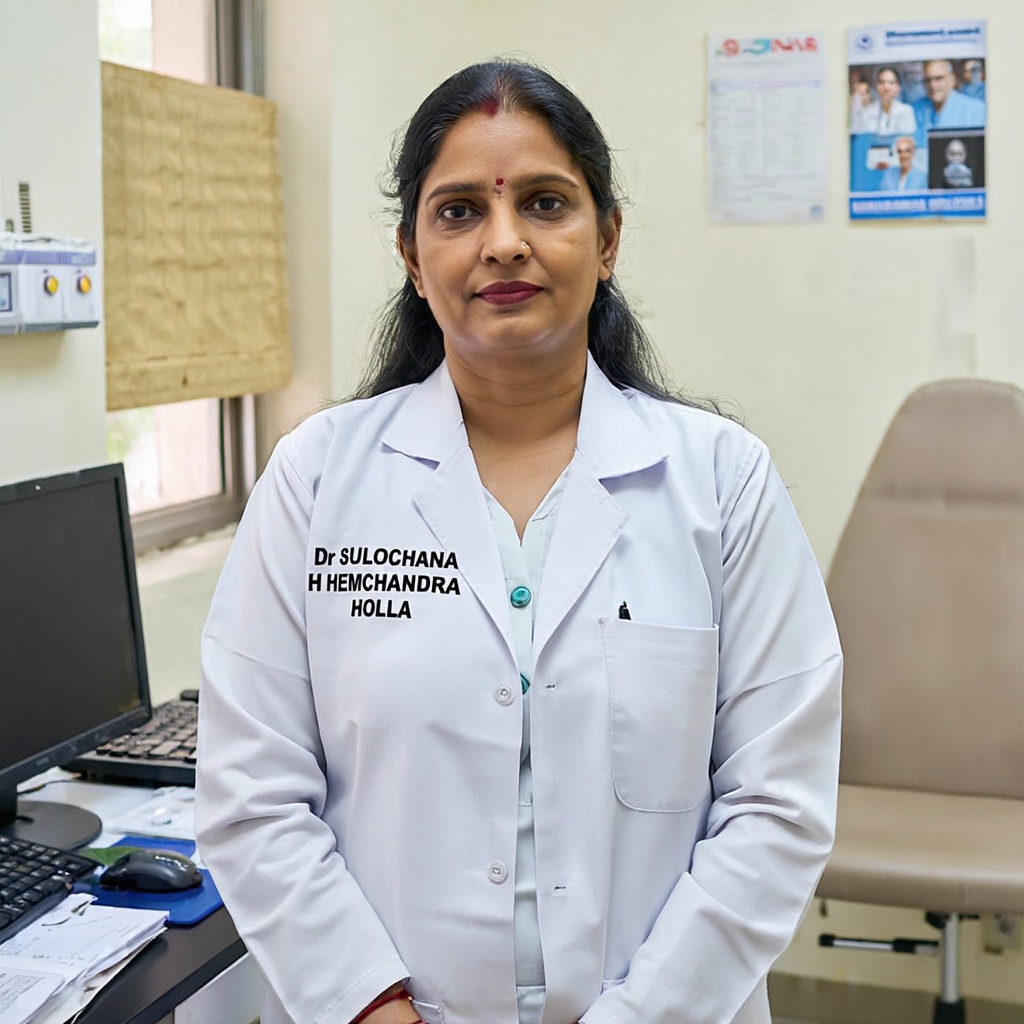
Dr SULOCHANA HEMCHANDRA HOLLA
Consultant Medical Geneticist · Reg: 8532
Last reviewed: September 7, 2026
Overview
The purpose of the ESRRB Gene Deafness (DFNB35) NGS Genetic Test is to identify pathogenic or likely pathogenic mutations in the ESRRB gene that cause autosomal recessive sensorineural hearing loss. This test enables accurate molecular diagnosis, confirms clinical suspicion of DFNB35, facilitates carrier detection in family members, supports informed genetic counseling and family planning, and guides early clinical intervention strategies including audiological management and rehabilitation.
- Test Code
- 2339
- CPT Code
- 81479
- ICD Code
- H90.3
- Price
- ₹20,000
- Sample Type
- Blood or Extracted DNA or One drop Blood on FTA Card
- Result Time
- Results are typically available within 3 to 4 weeks from the date of sample receipt at the laboratory. Reports will be delivered via the online portal, email, or WhatsApp.
- Fasting Required
- No
- Method
- Next-Generation Sequencing (NGS)
Sample Collection
No special preparation or fasting is required. Ensure the patient's clinical history, family pedigree information, and any previous audiological or genetic test results are available for the referring geneticist.
Method: Venipuncture
Laboratory Analysis
A venipuncture blood draw of approximately 3-5 mL will be collected in an EDTA (lavender top) tube. Alternatively, a single drop of blood on an FTA card or an extracted DNA sample may be used. The procedure typically takes 5-10 minutes.
Report Delivery
Apply pressure to the venipuncture site with a cotton ball or gauze for 3-5 minutes. Avoid heavy lifting with the arm used for the draw for the remainder of the day. The sample will be transported under appropriate conditions to the laboratory for processing.
Timeline: Results are typically available within 3 to 4 weeks from the date of sample receipt at the laboratory. Reports will be delivered via the online portal, email, or WhatsApp.
Patient Instructions
About This Test
Who Should Get This Test
The purpose of the ESRRB Gene Deafness (DFNB35) NGS Genetic Test is to identify pathogenic or likely pathogenic mutations in the ESRRB gene that cause autosomal recessive sensorineural hearing loss. This test enables accurate molecular diagnosis, confirms clinical suspicion of DFNB35, facilitates carrier detection in family members, supports informed genetic counseling and family planning, and guides early clinical intervention strategies including audiological management and rehabilitation.
How to Prepare
- Blood sample should be collected in an EDTA (lavender top) vacutainer tube
- If using an FTA card, ensure a single drop of blood is applied correctly and allowed to dry completely
- Label the sample clearly with patient name, date of birth, and sample ID
- Store the blood sample at room temperature (18-25°C) and transport within 48 hours of collection
- Avoid freezing the whole blood sample prior to DNA extraction
- Ensure all required consent forms and clinical history documentation accompany the sample
Doctor's Notes
Reviewed by Dr SULOCHANA HEMCHANDRA HOLLA — MBBS, MD (Medical Genetics) · Reg. No. 8532
"ESRRB gene mutations are a recognized cause of non-syndromic autosomal recessive sensorineural hearing loss. For couples with a family history of hereditary deafness or consanguineous marriages, genetic testing for DFNB35 can provide critical information for family planning, early intervention with hearing aids or cochlear implants, and long-term management. I recommend this test for any individual presenting with unexplained bilateral sensorineural hearing loss with suspected genetic etiology."
Last medically reviewed: September 7, 2026
Test Parameters & Specifications
Sample Stability
- Sample collected in heparin tube (heparin inhibits downstream molecular reactions)
- Insufficient sample volume (less than 1 mL whole blood)
- Heavily hemolyzed, clotted, or contaminated sample
- Sample received without proper labeling or patient identification
- Sample received more than 7 days after collection without appropriate preservation
- Missing or incomplete consent form or clinical history documentation
Understanding Your Results
No pathogenic variants detected
No disease-causing mutations were identified in the ESRRB gene. This result does not completely exclude a genetic basis for hearing loss, as other genes may be responsible. Further genetic evaluation with a comprehensive hearing loss gene panel may be considered.
Pathogenic or likely pathogenic variant(s) detected — homozygous or compound heterozygous
Two pathogenic or likely pathogenic variants were identified in the ESRRB gene in a homozygous or compound heterozygous state. This is consistent with a molecular diagnosis of DFNB35 (Deafness, Autosomal Recessive Type 35). Genetic counseling is recommended to discuss inheritance patterns, recurrence risks, and management options.
Single pathogenic or likely pathogenic variant detected — heterozygous carrier
A single pathogenic or likely pathogenic variant was identified, indicating carrier status for DFNB35. Carriers typically do not exhibit hearing loss but can pass the variant to offspring. Partner testing and genetic counseling are recommended for family planning purposes.
Variant(s) of uncertain significance (VUS) detected
One or more variants were identified in the ESRRB gene whose clinical significance cannot be determined at this time. VUS should not be used for clinical decision-making. Periodic reclassification may occur as new evidence becomes available. Genetic counseling and clinical correlation are advised.
Consult your doctor or genetic counselor if you or your child experience unexplained hearing loss or delayed speech development, if there is a family history of hereditary deafness, if you are planning a pregnancy and have a known family history of DFNB35 or ESRRB mutations, or if your genetic test results indicate pathogenic variants or carriership. Early consultation enables timely intervention, appropriate audiological management, and informed family planning.
Limitations
- ⚠This test is specific to the ESRRB gene and does not screen for mutations in other hearing loss-associated genes
- ⚠Deep intronic variants, regulatory region mutations, and large deletions/duplications may not be fully detected
- ⚠Variants of uncertain significance (VUS) require further clinical correlation and may change in classification over time
- ⚠A negative result does not completely exclude a genetic cause of hearing loss as other genes may be involved
- ⚠Mosaicism at low levels may not be reliably detected by this assay
- ⚠Results should always be interpreted in conjunction with clinical findings, family history, and audiological evaluation
Risks & Considerations
- ●Minor bruising or discomfort at the venipuncture site
- ●Slight risk of infection at the blood draw site (rare with standard sterile technique)
- ●Emotional or psychological impact of genetic test results; genetic counseling is provided to support the patient
Interfering Factors
- ●Degraded or insufficient DNA quality in the sample may affect sequencing results
- ●Blood transfusion within the past 4 weeks may interfere with genetic analysis
- ●Hemolysis in the blood sample may reduce DNA yield and quality
- ●Contamination during sample collection or transport may compromise results
- ●Large structural rearrangements or copy number variants may not be fully detected by standard NGS
Compare With Similar Tests
| Test | ESRRB Gene Deafness, autosomal recessive type 35 NGS Genetic Test | GJB2 Gene Sequencing | Comprehensive Hearing Loss Gene Panel | SLC26A4 Gene Test (Pendred Syndrome / DFNB4) | Microarray-Based CGH (Chromosomal Microarray) |
|---|---|---|---|---|---|
| Comparison | ESRRB Gene Deafness, autosomal recessive type 35 NGS Genetic Test |
Frequently Asked Questions
What is ESRRB Gene Deafness (DFNB35)?
How is the ESRRB Gene Deafness NGS Genetic Test performed?
Who should consider getting the ESRRB Gene Deafness test?
What does a positive test result mean?
What does a negative test result mean?
What is the cost of the ESRRB Gene Deafness NGS Genetic Test?
How long does it take to receive the test results?
Is home sample collection available for this test?
Can this test be used for prenatal diagnosis?
Is the ESRRB Gene Deafness test the same as a comprehensive hearing loss panel?
How is DFNB35 inherited, and what is the recurrence risk for future children?
Is genetic counseling included with this test?
Related Tests
Connexin 30 Mutation Detection Test
₹8,000COL4A3 Gene Alport syndrome, autosomal recessive NGS Genetic Test
₹20,000PLCB4 Gene Auriculocondylar syndrome type 2 NGS Genetic Test
₹20,000DIAPH3 Gene Auditory neuropathy, autosomal dominant NGS Genetic Test
₹20,000MYO7A Gene Deafness, autosomal dominant type 11 NGS Genetic Test
₹20,000POU4F3 Gene Deafness, autosomal dominant type 15 NGS Genetic Test
₹20,000Reference Laboratory Services
We serve as a reference laboratory for hospitals and clinics across India. Send samples from your facility with same-day pickup, priority processing, and results delivered through our online portal. Competitive institutional pricing available.
Your Data Privacy
Your medical data is protected under Indian law.
✓ Stored in India: All patient records are stored on servers located in India. No data is transferred outside the country.
✓ DPDP Act Compliant: Under the Digital Personal Data Protection Act 2023, you can request deletion of your records at any time by contacting support.
Book Your Test
Enter your details and we'll connect you within 15 minutes.