
GRHL3 Gene van der Woude syndrome type 2 NGS Genetic Test
Short Name: GRHL3 NGS Test
Also known as: VWS2 Genetic Test, GRHL3 Mutation Analysis, Van der Woude Syndrome Type 2 Sequencing
GRHL3 Gene van der Woude syndrome type 2 NGS Genetic Test test available at DNA Labs India for ₹20,000. Uses Next-Generation Sequencing (NGS) on Blood or Extracted DNA or One drop Blood on FTA Card samples. Results in Reports are typically delivered within 3 to 4 weeks after sample receipt.. Free home collection in 300+ cities across India.

🩺 Medically Reviewed By
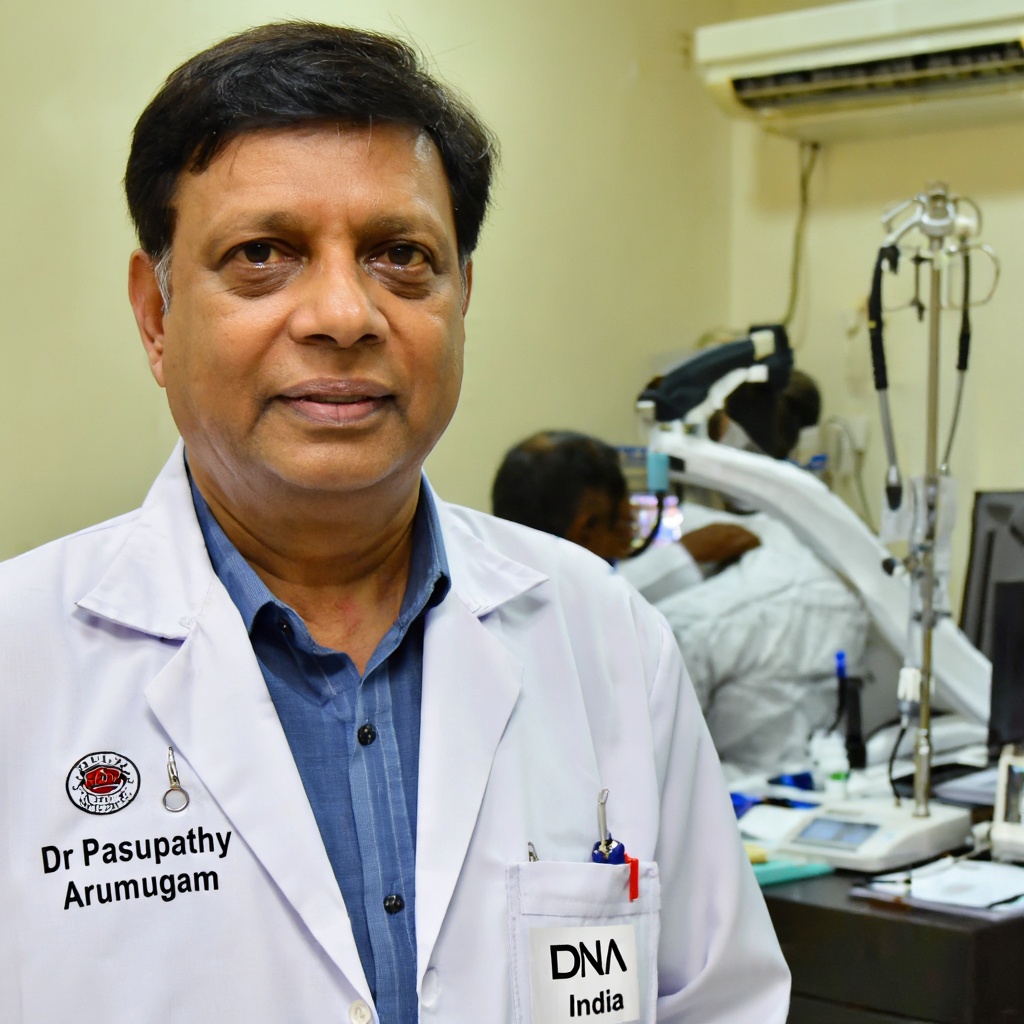
Dr Pasupathy Arumugam
Consultant Pathologist · Reg: 21521
Last reviewed: September 7, 2026
Overview
The purpose of this test is to confirm a clinical diagnosis of Van der Woude Syndrome Type 2 by identifying pathogenic mutations in the GRHL3 gene. It is also used for carrier testing, prenatal diagnosis, and risk assessment for family members. NGS technology allows comprehensive sequencing of the gene, detecting point mutations, small insertions/deletions, and splice-site variants.
- Test Code
- 5975
- CPT Code
- 81408
- ICD Code
- Q38.5
- Price
- ₹20,000
- Sample Type
- Blood or Extracted DNA or One drop Blood on FTA Card
- Result Time
- Reports are typically delivered within 3 to 4 weeks after sample receipt.
- Fasting Required
- No
- Method
- Next-Generation Sequencing (NGS)
Sample Collection
No special preparation is required. However, a genetic counseling session is recommended to discuss the implications of the test. Please provide a detailed clinical history and family pedigree.
Method: Venipuncture or Fingerstick
Laboratory Analysis
Blood sample will be collected by a trained phlebotomist. For FTA card, a simple fingerstick is sufficient. Ensure the sample is properly labeled.
Report Delivery
No specific aftercare is needed. You may resume normal activities immediately. Results will be shared via secure online portal or email within 3-4 weeks.
Timeline: Reports are typically delivered within 3 to 4 weeks after sample receipt.
Patient Instructions
About This Test
Who Should Get This Test
The purpose of this test is to confirm a clinical diagnosis of Van der Woude Syndrome Type 2 by identifying pathogenic mutations in the GRHL3 gene. It is also used for carrier testing, prenatal diagnosis, and risk assessment for family members. NGS technology allows comprehensive sequencing of the gene, detecting point mutations, small insertions/deletions, and splice-site variants.
How to Prepare
- For blood: Use EDTA tube, fill to indicated mark, mix gently.
- For FTA card: Apply blood spots, air dry for 30 minutes, place in provided envelope.
- For extracted DNA: Provide at least 1 µg of high-quality DNA in a sterile tube.
Doctor's Notes
Reviewed by Dr Pasupathy Arumugam — MBBS, MD (Pathology) · Reg. No. 21521
"Genetic testing for VWS2 is crucial for accurate diagnosis and family planning. Early detection can guide surgical and multidisciplinary management."
Last medically reviewed: September 7, 2026
Test Parameters & Specifications
Sample Stability
- Hemolyzed or clotted blood sample
- Insufficient sample volume
- Improperly labeled sample
- Sample received after prolonged transit without proper temperature control
Understanding Your Results
Pathogenic variant detected
Confirms diagnosis of VWS2. Autosomal dominant inheritance. Genetic counseling recommended for family members.
Likely pathogenic variant detected
Highly suggestive of VWS2. Further family segregation analysis may be helpful.
Variant of uncertain significance (VUS)
Cannot be definitively classified. Additional testing of family members or functional studies may be needed.
No pathogenic variant detected
No mutation found in GRHL3. Consider testing for IRF6 or other clefting syndromes if clinical suspicion remains.
If you or your child have symptoms such as lip pits, oral clefts, or a family history of VWS2, consult a clinical geneticist or pediatrician for evaluation and genetic testing.
Limitations
- ⚠This test detects mutations only in the GRHL3 gene; mutations in other genes (e.g., IRF6) are not covered.
- ⚠Large deletions/duplications may not be detected by standard NGS; additional testing may be required.
- ⚠Variant of uncertain significance (VUS) may require further family studies.
- ⚠Test does not assess non-coding regulatory regions beyond standard coverage.
Risks & Considerations
- ●Minimal risk of bruising or infection at the blood draw site
- ●Psychological impact of genetic results
- ●Potential for uncertain results (VUS)
Interfering Factors
- ●Contamination of sample with foreign DNA
- ●Insufficient DNA quantity or quality
- ●Presence of maternal cell contamination in prenatal samples
- ●Recent blood transfusion (within 2 weeks) may dilute nucleated cells
Compare With Similar Tests
| Test | GRHL3 Gene van der Woude syndrome type 2 NGS Genetic Test | IRF6 Gene Sequencing | Clefting Syndromes Panel (NGS) | Chromosomal Microarray (CMA) |
|---|---|---|---|---|
| Comparison | GRHL3 Gene van der Woude syndrome type 2 NGS Genetic Test | Detects mutations in IRF6, the most common cause of VWS. GRHL3 test is specific for VWS2. | Analyzes multiple genes including IRF6, GRHL3, and others. More comprehensive but higher cost. | Detects large chromosomal imbalances, not point mutations. Useful for syndromic cases. |
Frequently Asked Questions
What is Van der Woude Syndrome Type 2?
What is the cost of the GRHL3 gene NGS test?
What sample is required for this test?
How long does it take to get results?
Is fasting required before the test?
Will I receive raw data files?
Can this test detect all types of VWS?
Who should consider this test?
Is genetic counseling included?
What is the inheritance pattern of VWS2?
Are there any risks associated with the test?
How do I book this test?
Related Tests
KIAA0586 Gene Joubert syndrome type 23 NGS Genetic Test
₹20,000CAT Gene Acatalasemia NGS Genetic Test
₹20,000BLM Gene Bloom syndrome NGS Genetic Test
₹20,000FANCC Gene Fanconi anemia type C NGS Genetic Test
₹20,000TPI1 Gene Triosephosphate isomerase deficiency NGS Genetic Test
₹20,000PTPN23 Gene Ciliogenesis related disorder NGS Genetic Test
₹20,000Reference Laboratory Services
We serve as a reference laboratory for hospitals and clinics across India. Send samples from your facility with same-day pickup, priority processing, and results delivered through our online portal. Competitive institutional pricing available.
Your Data Privacy
Your medical data is protected under Indian law.
✓ Stored in India: All patient records are stored on servers located in India. No data is transferred outside the country.
✓ DPDP Act Compliant: Under the Digital Personal Data Protection Act 2023, you can request deletion of your records at any time by contacting support.
Book Your Test
Enter your details and we'll connect you within 15 minutes.