
HSD17B4 Gene D-bifunctional protein deficiency NGS Genetic Test
Short Name: HSD17B4 Gene NGS Test
Also known as: DBP Deficiency, Peroxisomal Bifunctional Enzyme Deficiency, 17-Beta-Hydroxysteroid Dehydrogenase Type 4 Deficiency, HSD17B4-Related Peroxisomal Disorder, PBFE Deficiency
HSD17B4 Gene D-bifunctional protein deficiency NGS Genetic Test test available at DNA Labs India for ₹20,000. Uses Next-Generation Sequencing (NGS), Sanger Confirmation of Detected Variants, Bioinformatics Pipeline Analysis on Blood or Extracted DNA or One Drop Blood on FTA Card samples. Results in 3 to 4 Weeks from sample receipt at the laboratory. Free home collection in 300+ cities across India.

🩺 Medically Reviewed By
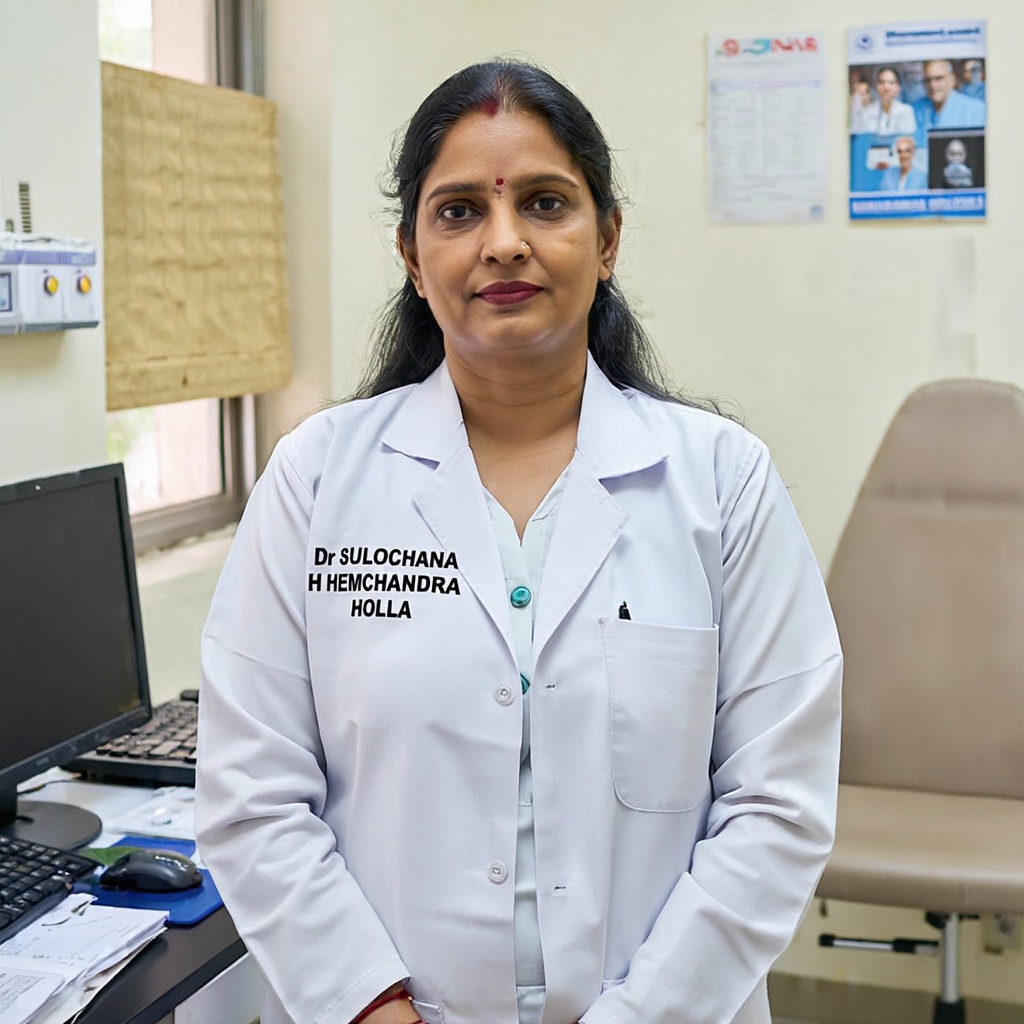
Dr SULOCHANA HEMCHANDRA HOLLA
Consultant Medical Geneticist · Reg: 8532
Last reviewed: September 7, 2026
Overview
The primary purpose of the HSD17B4 Gene NGS Genetic Test is to confirm or rule out a diagnosis of D-bifunctional protein deficiency at the molecular level. This test is essential for establishing a definitive genetic diagnosis when clinical features or biochemical markers suggest a peroxisomal disorder. It aids in identifying the specific causative mutations, determining carrier status in family members, guiding genetic counselling regarding recurrence risks (25% for autosomal recessive conditions), informing reproductive planning for affected families, and enabling appropriate clinical management and supportive care strategies. In certain cases, identification of specific mutations may help predict disease severity and prognosis.
- Test Code
- 1965
- CPT Code
- 81406
- ICD Code
- E71.510
- Price
- ₹20,000
- Sample Type
- Blood or Extracted DNA or One Drop Blood on FTA Card
- Result Time
- 3 to 4 Weeks from sample receipt at the laboratory
- Fasting Required
- No
- Method
- Next-Generation Sequencing (NGS), Sanger Confirmation of Detected Variants, Bioinformatics Pipeline Analysis
Sample Collection
No specific preparation or fasting is required. Ensure the patient's clinical history, family pedigree, and any previous test reports (VLCFA levels, neuroimaging, liver function tests) are available for the genetic counselling session prior to sample collection.
Method: Venipuncture
Laboratory Analysis
A 3-5 mL venous blood sample will be collected in an EDTA (lavender-top) vacutainer by a trained phlebotomist. Alternatively, one drop of blood on an FTA card or previously extracted DNA may be submitted. The sample is labelled, sealed, and transported under ambient room temperature conditions.
Report Delivery
The blood sample is processed in the molecular genetics laboratory where DNA is extracted, quality-checked, and prepared for NGS library preparation. No specific post-collection care is required for the patient. Results are typically available within 3 to 4 weeks and will be communicated via the online portal, email, or WhatsApp.
Timeline: 3 to 4 Weeks from sample receipt at the laboratory
Patient Instructions
About This Test
Who Should Get This Test
The primary purpose of the HSD17B4 Gene NGS Genetic Test is to confirm or rule out a diagnosis of D-bifunctional protein deficiency at the molecular level. This test is essential for establishing a definitive genetic diagnosis when clinical features or biochemical markers suggest a peroxisomal disorder. It aids in identifying the specific causative mutations, determining carrier status in family members, guiding genetic counselling regarding recurrence risks (25% for autosomal recessive conditions), informing reproductive planning for affected families, and enabling appropriate clinical management and supportive care strategies. In certain cases, identification of specific mutations may help predict disease severity and prognosis.
How to Prepare
- Collect 3-5 mL of venous blood in an EDTA (Lavender Top) vacutainer
- Alternatively, one drop of blood on an FTA card or extracted DNA in TE buffer is acceptable
- Gently invert the tube 8-10 times to mix blood with the anticoagulant; do not shake vigorously
- Label the sample clearly with the patient's full name, date of birth, and unique identifier
- Ensure the sample is stored and transported at ambient room temperature (15-30°C)
- Avoid heparin-collected samples as heparin can inhibit molecular reactions
- If using an FTA card, allow the blood spot to air-dry completely before packaging
- Include the duly filled test requisition form and informed consent document with the sample
Doctor's Notes
Reviewed by Dr SULOCHANA HEMCHANDRA HOLLA — MBBS, MD (Medical Genetics) · Reg. No. 8532
"D-bifunctional protein deficiency is a severe peroxisomal disorder that often presents in the neonatal period with hypotonia, seizures, and hepatic dysfunction. Early genetic confirmation through NGS-based testing of the HSD17B4 gene allows families to understand recurrence risks, guides management decisions, and facilitates informed family planning. I recommend this test for any infant presenting with unexplained hypotonia, seizures, or features suggestive of a peroxisomal biogenesis disorder. Genetic counselling should accompany all testing to help families interpret results and plan for the future."
Last medically reviewed: September 7, 2026
Test Parameters & Specifications
Sample Stability
- Sample collected in heparin tube
- Clotted or haemolysed blood sample
- Insufficient sample volume (less than 2 mL)
- Unlabelled, mislabelled, or mismatched sample and requisition form
- Sample received without completed informed consent or test requisition form
- Contaminated FTA card or degraded DNA sample
Understanding Your Results
Two pathogenic or likely pathogenic variants detected in trans
Diagnostic – explains clinical phenotype. Recurrence risk for future pregnancies is 25%.
One pathogenic or likely pathogenic variant detected
Carrier status confirmed. Genetic counselling recommended for family planning. Partner testing advised.
Variant(s) of Uncertain Significance (VUS) detected
Inconclusive. Re-analysis may be performed as new data becomes available. Not to be used alone for clinical decision-making.
No pathogenic variants detected
Negative. If clinical suspicion persists, consider VLCFA testing, whole-exome sequencing, or analysis of other peroxisomal genes.
Known familial variant analysis
Can confirm carrier status or affected status when a known family mutation is being tested.
Consult a clinical geneticist, metabolic disease specialist, or paediatric neurologist if your child presents with poor muscle tone, seizures, developmental delay, vision or hearing problems, or liver dysfunction. If the genetic test result shows pathogenic variants, VUS, or if you are identified as a carrier, seek genetic counselling to understand the implications, recurrence risks, and available management options. Families with a known history of peroxisomal disorders should consult a genetic counsellor before planning future pregnancies.
Limitations
- ⚠This test does not detect large deletions, duplications, or chromosomal rearrangements unless specifically analysed using a CNV detection algorithm
- ⚠Deep intronic variants and regulatory region mutations outside the targeted sequencing regions may not be identified
- ⚠Variants of Uncertain Significance (VUS) may be reported and require clinical correlation and family studies for interpretation
- ⚠A negative result does not completely exclude D-bifunctional protein deficiency if caused by mutations in other genes involved in peroxisomal beta-oxidation (e.g., HSD17B4 regulatory regions or epigenetic changes)
- ⚠This test is not a substitute for biochemical confirmation through VLCFA analysis and phytanic acid levels
Risks & Considerations
- ●Minor bruising or discomfort at the venipuncture site, which typically resolves within 1-2 days
- ●Very small risk of infection at the needle insertion site (standard aseptic precautions are followed)
- ●Emotional impact of receiving genetic test results, particularly if pathogenic variants are detected; genetic counselling is provided to support patients and families
- ●Identification of Variants of Uncertain Significance (VUS) may cause anxiety; counselling helps contextualize such findings
Interfering Factors
- ●Degraded or insufficient DNA quality in the submitted sample may affect sequencing coverage and accuracy
- ●Recent blood transfusion (within 30 days) may lead to mixed DNA profiles and inaccurate results
- ●Presence of large genomic rearrangements or copy number variations (CNVs) not detectable by standard NGS gene panel analysis
- ●Somatic mosaicism may result in variants being present at levels below the detection threshold
- ●Heparin-contaminated blood samples can interfere with downstream molecular assays
Compare With Similar Tests
| Test | HSD17B4 Gene D-bifunctional protein deficiency NGS Genetic Test | ||||||
|---|---|---|---|---|---|---|---|
| Comparison | HSD17B4 Gene D-bifunctional protein deficiency NGS Genetic Test |
Frequently Asked Questions
What is D-bifunctional protein deficiency?
What is the HSD17B4 gene and what does it do?
How is D-bifunctional protein deficiency inherited?
What are the symptoms of HSD17B4 gene D-bifunctional protein deficiency?
Who should get the HSD17B4 Gene NGS Genetic Test?
What sample is required for the HSD17B4 Gene NGS Genetic Test?
How long does it take to get the results of the HSD17B4 Gene NGS Genetic Test?
What is the cost of the HSD17B4 Gene NGS Genetic Test in India?
Does DNA Labs India provide raw data and FASTQ/VCF files?
Is genetic counselling included with the test?
Can this test be done during pregnancy (prenatal testing)?
Is free home sample collection available for this test?
Related Tests
Reference Laboratory Services
We serve as a reference laboratory for hospitals and clinics across India. Send samples from your facility with same-day pickup, priority processing, and results delivered through our online portal. Competitive institutional pricing available.
Your Data Privacy
Your medical data is protected under Indian law.
✓ Stored in India: All patient records are stored on servers located in India. No data is transferred outside the country.
✓ DPDP Act Compliant: Under the Digital Personal Data Protection Act 2023, you can request deletion of your records at any time by contacting support.
Book Your Test
Enter your details and we'll connect you within 15 minutes.