
HYDIN Gene Primary ciliary dyskinesia type 5 NGS Genetic Test
Short Name: HYDIN Gene PCD Type 5 NGS Test
Also known as: HYDIN Gene PCD Type 5 Test, Primary Ciliary Dyskinesia Type 5 Genetic Test, HYDIN Mutation Analysis, PCD5 NGS Sequencing Test, HYDIN Gene Sequencing Test
HYDIN Gene Primary ciliary dyskinesia type 5 NGS Genetic Test test available at DNA Labs India for ₹20,000. Uses Next Generation Sequencing (NGS), Sanger Confirmation (if required), Bioinformatic Analysis and Variant Annotation on Blood or Extracted DNA or One Drop Blood on FTA Card samples. Results in 3 to 4 Weeks from sample receipt at the laboratory. Free home collection in 300+ cities across India.

🩺 Medically Reviewed By
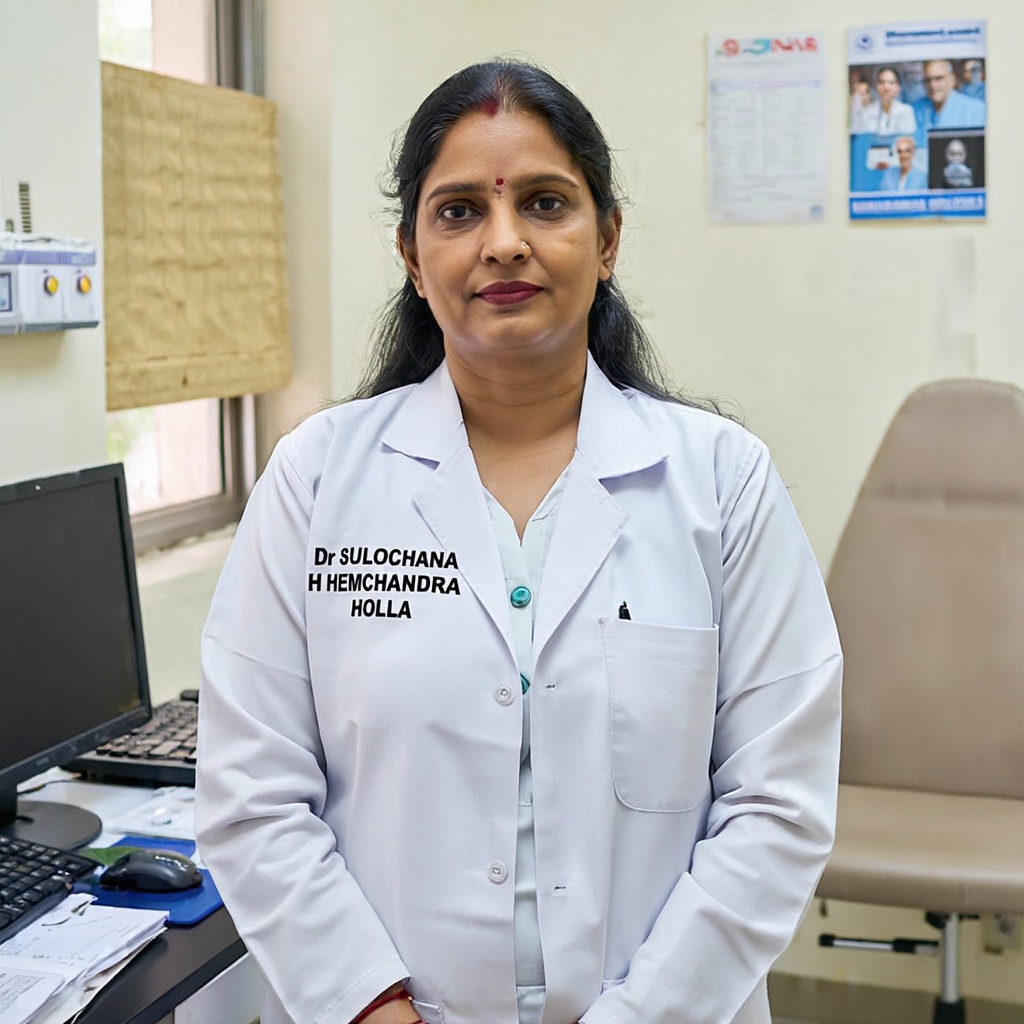
Dr SULOCHANA HEMCHANDRA HOLLA
Consultant Medical Geneticist · Reg: 8532
Last reviewed: September 7, 2026
Overview
The purpose of the HYDIN Gene Primary Ciliary Dyskinesia Type 5 NGS Genetic Test is to identify pathogenic or likely pathogenic mutations in the HYDIN gene that cause PCD Type 5. This test enables definitive molecular diagnosis, guides clinical management, facilitates carrier testing for family members, and supports informed genetic counseling regarding recurrence risk and family planning.
- Test Code
- 4790
- CPT Code
- 81479
- ICD Code
- Q34.8
- Price
- ₹20,000
- Sample Type
- Blood or Extracted DNA or One Drop Blood on FTA Card
- Result Time
- 3 to 4 Weeks from sample receipt at the laboratory
- Fasting Required
- No
- Method
- Next Generation Sequencing (NGS), Sanger Confirmation (if required), Bioinformatic Analysis and Variant Annotation
Sample Collection
No special preparation such as fasting is required. Provide complete clinical history and family pedigree information during the pre-test genetic counseling session. Inform the laboratory of any recent blood transfusions.
Method: Venipuncture / Finger prick (FTA Card)
Laboratory Analysis
A peripheral blood sample (3-5 mL) will be collected via venipuncture into an EDTA vacutainer. Alternatively, a single drop of blood can be applied to an FTA card. The procedure takes approximately 5-10 minutes.
Report Delivery
Apply gentle pressure to the venipuncture site with cotton wool. The sample will be transported under ambient room temperature conditions to the laboratory for DNA extraction and NGS analysis.
Timeline: 3 to 4 Weeks from sample receipt at the laboratory
Patient Instructions
About This Test
Who Should Get This Test
The purpose of the HYDIN Gene Primary Ciliary Dyskinesia Type 5 NGS Genetic Test is to identify pathogenic or likely pathogenic mutations in the HYDIN gene that cause PCD Type 5. This test enables definitive molecular diagnosis, guides clinical management, facilitates carrier testing for family members, and supports informed genetic counseling regarding recurrence risk and family planning.
How to Prepare
- No fasting required prior to sample collection
- Provide a signed informed consent form before sample collection
- Share complete clinical history and family pedigree during genetic counseling
- Avoid blood collection within 4 weeks of a blood transfusion
- Sample can be collected at home or at any DNA Labs India walk-in center
- Store FTA card samples at ambient room temperature if not processed immediately
Doctor's Notes
Reviewed by Dr SULOCHANA HEMCHANDRA HOLLA — MBBS, MD (Medical Genetics) · Reg. No. 8532
"Primary Ciliary Dyskinesia is an underdiagnosed condition that often presents in early childhood with chronic respiratory symptoms. Genetic testing for the HYDIN gene using NGS technology provides a definitive molecular diagnosis, which is essential for guiding long-term respiratory management, fertility assessment, and family planning decisions. I recommend this test for any patient with a clinical suspicion of PCD, especially when electron microscopy or nasal nitric oxide testing is inconclusive. Early diagnosis can significantly improve quality of life through targeted airway clearance therapies and proactive management of complications such as bronchiectasis."
Last medically reviewed: September 7, 2026
Test Parameters & Specifications
Sample Stability
- Hemolyzed or clotted blood sample
- Sample collected in incorrect anticoagulant (non-EDTA tube)
- Insufficient sample volume (less than 2 mL blood)
- Sample received without proper labeling or patient identification
- Sample contaminated or improperly stored
- Sample collected within 4 weeks of an allogeneic blood transfusion
Understanding Your Results
Pathogenic or Likely Pathogenic Variant Detected (Biallelic)
Confirms a molecular diagnosis of PCD Type 5. The patient carries two disease-causing alleles in the HYDIN gene (homozygous or compound heterozygous). Clinical correlation with respiratory symptoms and ciliary function testing is recommended. Family members should be offered carrier testing.
Pathogenic or Likely Pathogenic Variant Detected (Monoallelic / Carrier)
The patient is a carrier of one pathogenic HYDIN variant. Carriers are typically unaffected but have a 50% chance of passing the variant to offspring. Partner testing is recommended for family planning purposes.
Variant of Uncertain Significance (VUS) Detected
A genetic variant was identified but there is insufficient evidence to classify it as pathogenic or benign. This result alone cannot confirm or exclude a diagnosis of PCD Type 5. Clinical follow-up, family segregation studies, and periodic reanalysis of the variant are recommended.
No Pathogenic Variant Detected
No pathogenic or likely pathogenic variants were identified in the HYDIN gene. This result reduces the likelihood of PCD Type 5 but does not exclude PCD caused by mutations in other genes. Additional genetic testing for other PCD-associated genes or alternative diagnostic methods (e.g., electron microscopy, nasal NO measurement) may be considered.
Consult a pulmonologist, ENT specialist, or clinical geneticist if you or your child experiences chronic respiratory infections, persistent sinusitis, recurrent ear infections, unexplained neonatal respiratory distress, or situs inversus. If a pathogenic variant is identified, seek genetic counseling to understand inheritance patterns, recurrence risks, and implications for family planning.
Limitations
- ⚠This test targets the HYDIN gene only and does not screen other PCD-associated genes unless specifically ordered as part of a panel
- ⚠Deep intronic variants and regulatory region mutations outside the targeted sequencing regions may not be detected
- ⚠Variants of Uncertain Significance (VUS) cannot be used for definitive clinical diagnosis without further evidence
- ⚠This test does not detect large deletions or duplications unless specifically assessed by CNV analysis algorithms
- ⚠A negative result does not completely exclude PCD, as mutations in other genes can cause similar phenotypes
Risks & Considerations
- ●Minimal physical risk — minor bruising or discomfort at the venipuncture site
- ●Emotional impact of genetic results — genetic counseling is provided to support patients and families
- ●Identification of Variants of Uncertain Significance (VUS) may cause anxiety without providing a definitive answer
- ●Carrier status detection may have implications for reproductive planning
Interfering Factors
- ●Degraded or insufficient DNA quality may affect sequencing coverage and accuracy
- ●Recent blood transfusion within the past 4 weeks may affect results due to donor DNA contamination
- ●Presence of somatic mosaicism may result in variant allele frequencies below detection thresholds
- ●Large structural rearrangements or copy number variations may not be fully detected by standard NGS
Compare With Similar Tests
| Test | HYDIN Gene Primary ciliary dyskinesia type 5 NGS Genetic Test | DNAI1 Gene PCD NGS Test | DNAH5 Gene PCD NGS Test | Comprehensive PCD Gene Panel | Electron Microscopy of Cilia Biopsy |
|---|---|---|---|---|---|
| Comparison | HYDIN Gene Primary ciliary dyskinesia type 5 NGS Genetic Test | Targets the DNAI1 gene (inner dynein arm defect). PCD Type 1 is the most common form. HYDIN gene testing is complementary when DNAI1 testing is negative. | Targets the DNAH5 gene (outer dynein arm defect). PCD Type 3. Often co-ordered with HYDIN testing for comprehensive evaluation. | Screens multiple PCD-associated genes simultaneously (including HYDIN, DNAI1, DNAH5, CCDC39, CCDC40, and others). Recommended when the specific causative gene is unknown. | Ultrastructural analysis of cilia. Complements genetic testing but may miss normal ultrastructure PCD cases caused by HYDIN mutations. Not a genetic test. |
Frequently Asked Questions
What is the HYDIN Gene Primary Ciliary Dyskinesia Type 5 NGS Genetic Test?
Who should get tested for HYDIN Gene PCD Type 5?
What sample is required for the HYDIN Gene NGS Test?
How long does it take to get the results of this test?
What is the cost of the HYDIN Gene PCD Type 5 NGS Genetic Test?
Is genetic counseling included with the test?
Can this test detect all mutations in the HYDIN gene?
What does a positive (pathogenic variant detected) result mean?
Is Primary Ciliary Dyskinesia Type 5 an inherited condition?
Does DNA Labs India provide raw sequencing data with the report?
Is home sample collection available for this test?
Can this test be performed on a fetus or during pregnancy?
Related Tests
Reference Laboratory Services
We serve as a reference laboratory for hospitals and clinics across India. Send samples from your facility with same-day pickup, priority processing, and results delivered through our online portal. Competitive institutional pricing available.
Your Data Privacy
Your medical data is protected under Indian law.
✓ Stored in India: All patient records are stored on servers located in India. No data is transferred outside the country.
✓ DPDP Act Compliant: Under the Digital Personal Data Protection Act 2023, you can request deletion of your records at any time by contacting support.
Book Your Test
Enter your details and we'll connect you within 15 minutes.