
Kidney Stone Formation Diagnostic Panel Test
Short Name: Kidney Stone Panel
Also known as: Renal Stone Risk Panel, 24-Hour Urine Stone Risk Panel, Urine Stone Risk Profile
Kidney Stone Formation Diagnostic Panel Test test available at DNA Labs India for ₹7,500. Uses Spectrophotometry, Enzymatic, Indirect ISE on 24-hour urine (two aliquots) samples. Results in Samples are accepted Wednesday and Saturday by 9 am. Reports are delivered the same day.. Free home collection in 300+ cities across India.

🩺 Medically Reviewed By
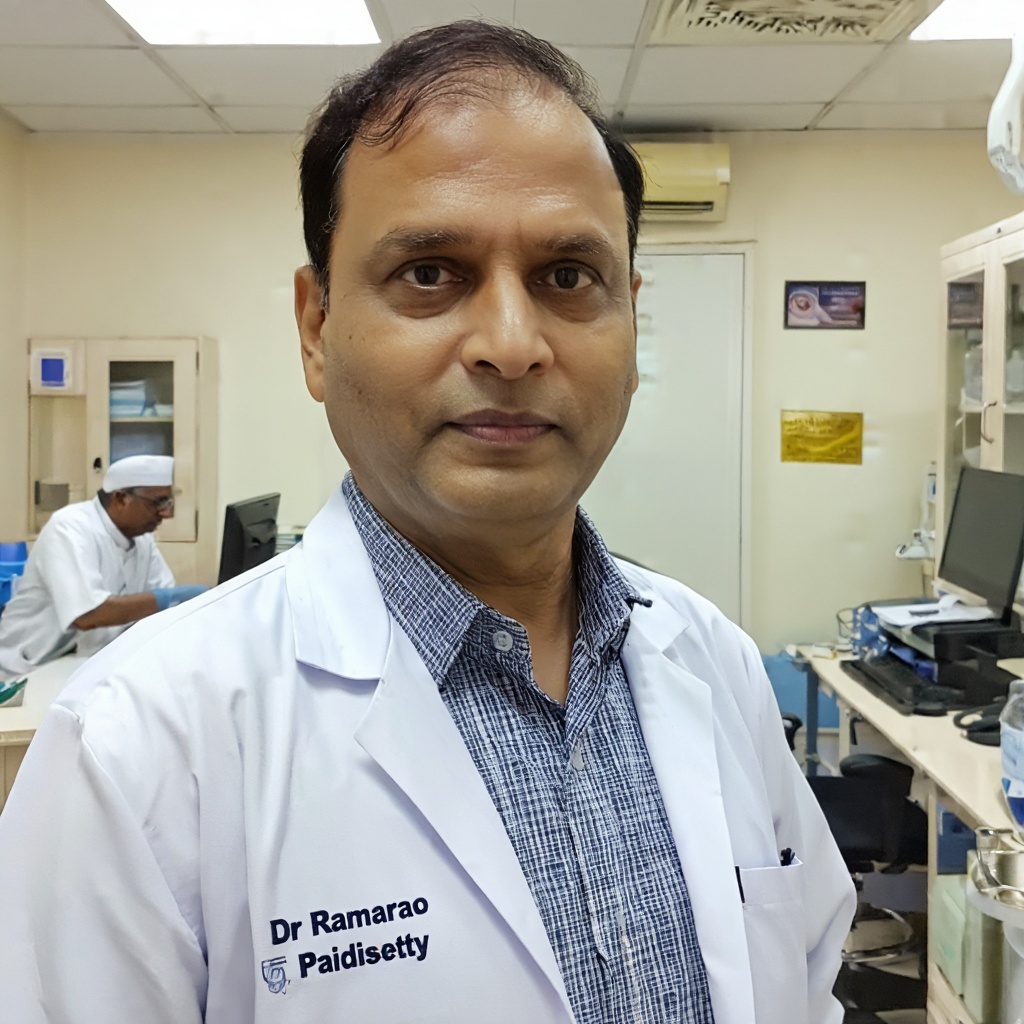
Dr Ramarao Paidisetty
Consultant Biochemist · Reg: 21504
Last reviewed: September 7, 2026
Overview
This panel evaluates 24-hour urinary stone risk factors including pH, creatinine, calcium, magnesium, citrate, oxalate, osmolality, electrolytes, uric acid, and phosphorus. It helps identify metabolic contributors to kidney stone formation and guides preventive treatment.
- Test Code
- 3506
- Price
- ₹7,500
- Sample Type
- 24-hour urine (two aliquots)
- Result Time
- Samples are accepted Wednesday and Saturday by 9 am. Reports are delivered the same day.
- Fasting Required
- No
- Method
- Spectrophotometry, Enzymatic, Indirect ISE
Sample Collection
No fasting is required. Record patient body weight. Obtain two collection containers: one plain non-acidified container and one acidified container with 25 mL 50% concentrated HCl.
Method: 24-hour urine collection; ship frozen
Laboratory Analysis
Day 1: Collect a complete 24-hour urine without preservatives and keep refrigerated. Day 2: Collect a separate 24-hour urine into the container with 25 mL 50% concentrated HCl to maintain pH below 3. Avoid spillage and direct skin contact with acid.
Report Delivery
Mix each 24-hour collection thoroughly, measure and record the total volume, transfer the required aliquot, label containers as Non-acidified urine and Acidified urine, freeze, and ship frozen. Do not thaw.
Timeline: Samples are accepted Wednesday and Saturday by 9 am. Reports are delivered the same day.
Patient Instructions
About This Test
Who Should Get This Test
This panel evaluates 24-hour urinary stone risk factors including pH, creatinine, calcium, magnesium, citrate, oxalate, osmolality, electrolytes, uric acid, and phosphorus. It helps identify metabolic contributors to kidney stone formation and guides preventive treatment.
How to Prepare
- Record patient body weight on the test request form.
- Day 1 collection: 24-hour urine without preservatives.
- Day 2 collection: 24-hour urine with 25 mL 50% concentrated HCl.
- Mention total 24-hour urine volume on the test request form.
- Aliquot at least 30 mL from each collection, preferably 50 mL.
- Ship both specimens frozen. Do not thaw.
Doctor's Notes
Reviewed by Dr Ramarao Paidisetty — MBBS, MD (Biochemistry) · Reg. No. 21504
"Interpret results in the context of 24-hour urine volume, creatinine and patient body weight. High calcium, high oxalate, low citrate and low urine volume are key modifiable kidney stone risk factors."
Last medically reviewed: September 7, 2026
Test Parameters & Specifications
Sample Stability
- Thawed specimens
- Inadequate volume less than 30 mL
- Missing total 24-hour urine volume
- Missing patient body weight
- Unlabeled or mismatched containers
- Preservatives used in Day 1 non-acidified sample
- Day 2 acidified specimen with pH not below 3
Understanding Your Results
Consult your nephrologist or urologist if you have recurrent kidney stones, severe flank pain, blood in urine, fever, or abnormal panel results.
Limitations
- ⚠Does not directly image or localize existing stones
- ⚠Not a genetic test; does not identify monogenic causes of kidney stones
- ⚠Results can vary daily with diet and hydration status
- ⚠Requires accurate total volume and patient body weight for valid interpretation
Risks & Considerations
- ●No significant risk is expected for routine urine collection.
- ●Acidified urine container contains concentrated HCl; handle carefully and avoid direct skin contact.
Interfering Factors
- ●Incomplete or over/under-collection of 24-hour urine
- ●Incorrect acidification of Day 2 specimen
- ●Diet high in sodium, oxalate, or protein
- ●Certain medications such as diuretics, calcium supplements, vitamin D, vitamin C, and antacids
- ●Urinary tract infection
- ●Dehydration or fluid restriction
Compare With Similar Tests
| Test | Kidney Stone Formation Diagnostic Panel Test | ||
|---|---|---|---|
| Comparison | Kidney Stone Formation Diagnostic Panel Test |
Frequently Asked Questions
What is the Kidney Stone Formation Diagnostic Panel Test?
What sample is required for this test?
What is the cost of the Kidney Stone Formation Diagnostic Panel Test in India?
Is fasting required before the test?
How long does it take to get the report?
What parameters does the panel measure?
Why are two 24-hour urine samples collected?
Can this test diagnose existing kidney stones?
What is the sample collection procedure?
What factors can affect the test results?
Is home sample collection available for this test?
Who should consider this test?
Reference Laboratory Services
We serve as a reference laboratory for hospitals and clinics across India. Send samples from your facility with same-day pickup, priority processing, and results delivered through our online portal. Competitive institutional pricing available.
Your Data Privacy
Your medical data is protected under Indian law.
✓ Stored in India: All patient records are stored on servers located in India. No data is transferred outside the country.
✓ DPDP Act Compliant: Under the Digital Personal Data Protection Act 2023, you can request deletion of your records at any time by contacting support.
Book Your Test
Enter your details and we'll connect you within 15 minutes.