
Metanephrines Free Plasma Test
Short Name: Free Metanephrines
Also known as: Free Plasma Metanephrines, Plasma Fractionated Metanephrines, Plasma Free Metanephrine and Normetanephrine, Free Catecholamine Metabolites Panel
Metanephrines Free Plasma Test test available at DNA Labs India for ₹8,500. Uses LC-MS/MS (Liquid Chromatography–Tandem Mass Spectrometry) on Plasma (EDTA) samples. Results in Sample accepted on Wednesday and Saturday by 9:00 AM. Reports delivered by Friday and Tuesday respectively via online portal, email, or WhatsApp.. Free home collection in 300+ cities across India.

🩺 Medically Reviewed By
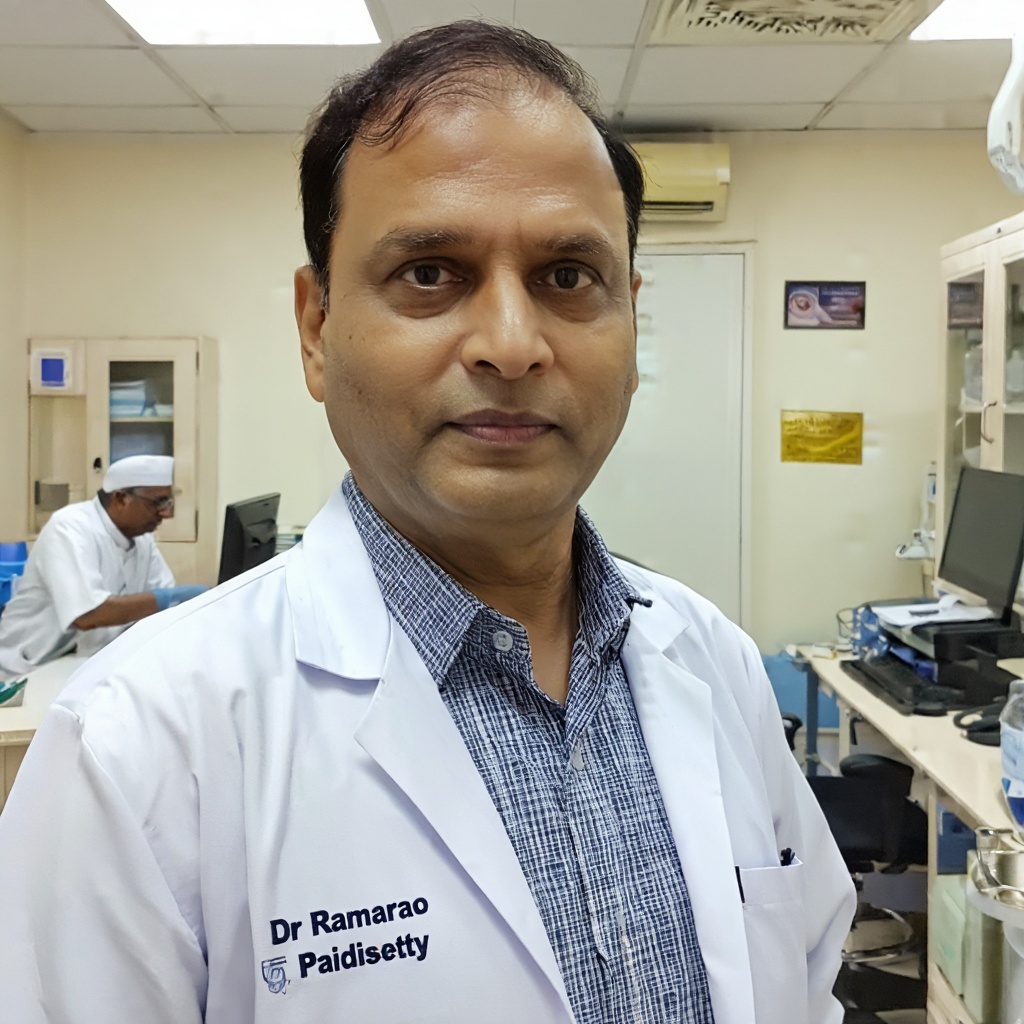
Dr Ramarao Paidisetty
Consultant Biochemist · Reg: 21504
Last reviewed: September 7, 2026
Overview
The primary purpose of the Metanephrines Free Plasma Test is to screen for and aid in the diagnosis of catecholamine-secreting tumours, including pheochromocytoma (adrenal) and paraganglioma (extra-adrenal). The test measures the free (unconjugated) fraction of metanephrine, normetanephrine, and 3-methoxytyramine, which are the O-methylated metabolites of epinephrine, norepinephrine, and dopamine respectively. Elevated levels of these metabolites indicate autonomous, unregulated secretion of catecholamines, which is characteristic of chromaffin cell tumours. The test is also used in the context of neuroblastoma evaluation in paediatric patients and in the surveillance of individuals with hereditary syndromes predisposing to adrenal tumours, such as Multiple Endocrine Neoplasia Type 2 (MEN2).
- Test Code
- 1241
- CPT Code
- 83835
- ICD Code
- E27.5
- Price
- ₹8,500
- Sample Type
- Plasma (EDTA)
- Result Time
- Sample accepted on Wednesday and Saturday by 9:00 AM. Reports delivered by Friday and Tuesday respectively via online portal, email, or WhatsApp.
- Fasting Required
- Yes (10 hours)
- Method
- LC-MS/MS (Liquid Chromatography–Tandem Mass Spectrometry)
Sample Collection
Patient should fast overnight (minimum 10 hours). Patient must be in a supine position for a minimum of 30 minutes before sample collection. Strictly avoid Labetalol, Sotalol, Acetaminophen, Methyldopa, antidepressants, ephedrine, amphetamine, nicotine, and caffeine. Avoid foods such as banana, pineapple, nuts, and cereals at least 72 hours prior to sample collection. Inform the physician about all current medications.
Method: Venipuncture – Supine position after minimum 30 minutes of rest
Laboratory Analysis
Blood is drawn via venipuncture from a vein in the arm while the patient remains in a supine position. Two Lavender top (EDTA) tubes are collected, yielding a minimum of 4 mL of blood. The specimen must be immersed in ice water immediately after collection.
Report Delivery
Plasma must be separated from the whole blood within 30 minutes of collection and transferred into a sterile screw-capped vial. The specimen should be shipped refrigerated or frozen to the laboratory. A small bruise may appear at the venipuncture site, which typically resolves within a few days.
Timeline: Sample accepted on Wednesday and Saturday by 9:00 AM. Reports delivered by Friday and Tuesday respectively via online portal, email, or WhatsApp.
Patient Instructions
About This Test
Who Should Get This Test
The primary purpose of the Metanephrines Free Plasma Test is to screen for and aid in the diagnosis of catecholamine-secreting tumours, including pheochromocytoma (adrenal) and paraganglioma (extra-adrenal). The test measures the free (unconjugated) fraction of metanephrine, normetanephrine, and 3-methoxytyramine, which are the O-methylated metabolites of epinephrine, norepinephrine, and dopamine respectively. Elevated levels of these metabolites indicate autonomous, unregulated secretion of catecholamines, which is characteristic of chromaffin cell tumours. The test is also used in the context of neuroblastoma evaluation in paediatric patients and in the surveillance of individuals with hereditary syndromes predisposing to adrenal tumours, such as Multiple Endocrine Neoplasia Type 2 (MEN2).
How to Prepare
- Patient must fast overnight (minimum 10 hours) before sample collection
- Patient should be in supine position for at least 30 minutes prior to venipuncture
- Collect 4 mL (minimum 2 mL) plasma from 2 Lavender top (EDTA) tubes
- Immerse specimen immediately in ice water after collection
- Separate plasma within 30 minutes and transfer into a sterile screw-capped vial
- Ship specimen refrigerated or frozen to the laboratory
- Strictly avoid Labetalol, Sotalol, Acetaminophen, Methyldopa, antidepressants, ephedrine, amphetamine, nicotine, and caffeine before testing
- Avoid banana, pineapple, nuts, and cereals at least 72 hours prior to sample collection
Doctor's Notes
Reviewed by Dr Ramarao Paidisetty — MBBS, MD (Biochemistry) · Reg. No. 21504
"Pheochromocytomas and paragangliomas, though rare, carry significant cardiovascular morbidity if undiagnosed. Plasma free metanephrines measured by LC-MS/MS offer the highest sensitivity for these catecholamine-secreting tumours and should be the first-line biochemical test in patients with suggestive symptoms, incidental adrenal masses, or hereditary predisposition syndromes such as MEN2, VHL, or SDHx mutations. Always interpret results in the context of the patient's medication list, posture during collection, and overall clinical presentation. Moderately elevated values warrant repeat testing under strictly controlled conditions before further imaging or surgical planning."
Last medically reviewed: September 7, 2026
Test Parameters & Specifications
Sample Stability
- Sample not collected with patient in supine position after a minimum of 30 minutes of rest
- Specimen not immersed in ice water immediately after collection
- Plasma not separated within 30 minutes of collection
- Patient did not fast overnight or consumed restricted foods within 72 hours
- Patient did not discontinue interfering medications as advised
- Insufficient sample volume (less than 2 mL plasma)
- Sample received at room temperature beyond 6 hours post-collection
- Hemolysed or lipemic sample
Understanding Your Results
All three analytes (free metanephrine, free normetanephrine, 3-methoxytyramine) are within the established reference ranges. This effectively rules out a functioning pheochromocytoma or paraganglioma with high negative predictive value when the test is performed under proper pre-analytical conditions.
One or more analytes are moderately above the reference range. This may be due to pre-analytical factors such as recent medication use, stress, or improper positioning. Repeat testing under strictly controlled conditions and correlation with clinical findings is recommended.
Markedly elevated free metanephrine (typically > 3–4 times the upper reference limit) is highly suggestive of a pheochromocytoma (adrenal chromaffin cell tumour). Anatomical imaging (CT/MRI of the abdomen) and referral to an endocrinologist or endocrine surgeon is recommended.
Markedly elevated free normetanephrine may indicate a paraganglioma (extra-adrenal catecholamine-secreting tumour) or norepinephrine-producing pheochromocytoma. Further anatomical and functional imaging is advised.
An isolated or concurrent elevation of 3-methoxytyramine may be associated with dopamine-secreting paragangliomas, neuroblastoma (particularly in paediatric patients), or certain hereditary syndromes. Clinical correlation and additional workup are essential.
Consult your doctor or endocrinologist if your Metanephrines Free Plasma Test results show any analyte above the reference range. Significantly elevated values require urgent clinical evaluation and further imaging studies. Even mildly elevated results warrant a repeat test under controlled conditions and clinical correlation. If you are experiencing persistent or episodic hypertension, unexplained headaches, excessive sweating, palpitations, or anxiety, seek medical evaluation regardless of test results.
Limitations
- ⚠Cannot distinguish between benign and malignant tumours; imaging and histopathology are required
- ⚠Moderately elevated values may require repeat testing under strictly controlled conditions
- ⚠Results should always be interpreted in the context of the patient's clinical presentation and medication history
- ⚠This test does not replace anatomical imaging (CT/MRI) for tumour localisation
Risks & Considerations
- ●Minor bruising or swelling at the venipuncture site
- ●Temporary lightheadedness or dizziness during blood draw
- ●Rare risk of infection at the puncture site
- ●Slight discomfort during needle insertion
Interfering Factors
- ●Labetalol, Sotalol, Acetaminophen (Paracetamol), Methyldopa, and antidepressant medications can cause false elevation
- ●Sympathomimetic agents such as Ephedrine and Amphetamine interfere with catecholamine metabolism
- ●Nicotine and caffeine stimulate catecholamine release and may elevate levels
- ●Dietary items including banana, pineapple, nuts, and cereals consumed within 72 hours of testing
- ●Physical or emotional stress during or shortly before sample collection
- ●Upright (seated or standing) posture during blood draw instead of supine position
Compare With Similar Tests
| Test | Metanephrines Free Plasma Test | ||||||
|---|---|---|---|---|---|---|---|
| Comparison | Metanephrines Free Plasma Test |
Frequently Asked Questions
What is the Metanephrines Free Plasma Test?
Why has my doctor ordered this test?
How should I prepare for the Metanephrines Free Plasma Test?
What medications must I avoid before this test?
What does an elevated metanephrine level indicate?
Is fasting required for this test?
What is the cost of the Metanephrines Free Plasma Test at DNA Labs India?
How long does it take to receive the results?
What sample type is required for this test?
Can this test diagnose pheochromocytoma?
Are there any risks associated with this blood test?
What happens if my test results are abnormal?
Related Tests
Reference Laboratory Services
We serve as a reference laboratory for hospitals and clinics across India. Send samples from your facility with same-day pickup, priority processing, and results delivered through our online portal. Competitive institutional pricing available.
Your Data Privacy
Your medical data is protected under Indian law.
✓ Stored in India: All patient records are stored on servers located in India. No data is transferred outside the country.
✓ DPDP Act Compliant: Under the Digital Personal Data Protection Act 2023, you can request deletion of your records at any time by contacting support.
Book Your Test
Enter your details and we'll connect you within 15 minutes.