
MOGS Gene Glycosylation disorder type 2B NGS Genetic Test
Short Name: MOGS Gene NGS Test
Also known as: Congenital Disorder of Glycosylation Type IIb, CDG Type 2B, MOGS-CDG
MOGS Gene Glycosylation disorder type 2B NGS Genetic Test test available at DNA Labs India for ₹20,000. Uses Next-Generation Sequencing (NGS) on Blood or Extracted DNA or One drop Blood on FTA Card samples. Results in 3 to 4 Weeks. Free home collection in 300+ cities across India.

🩺 Medically Reviewed By
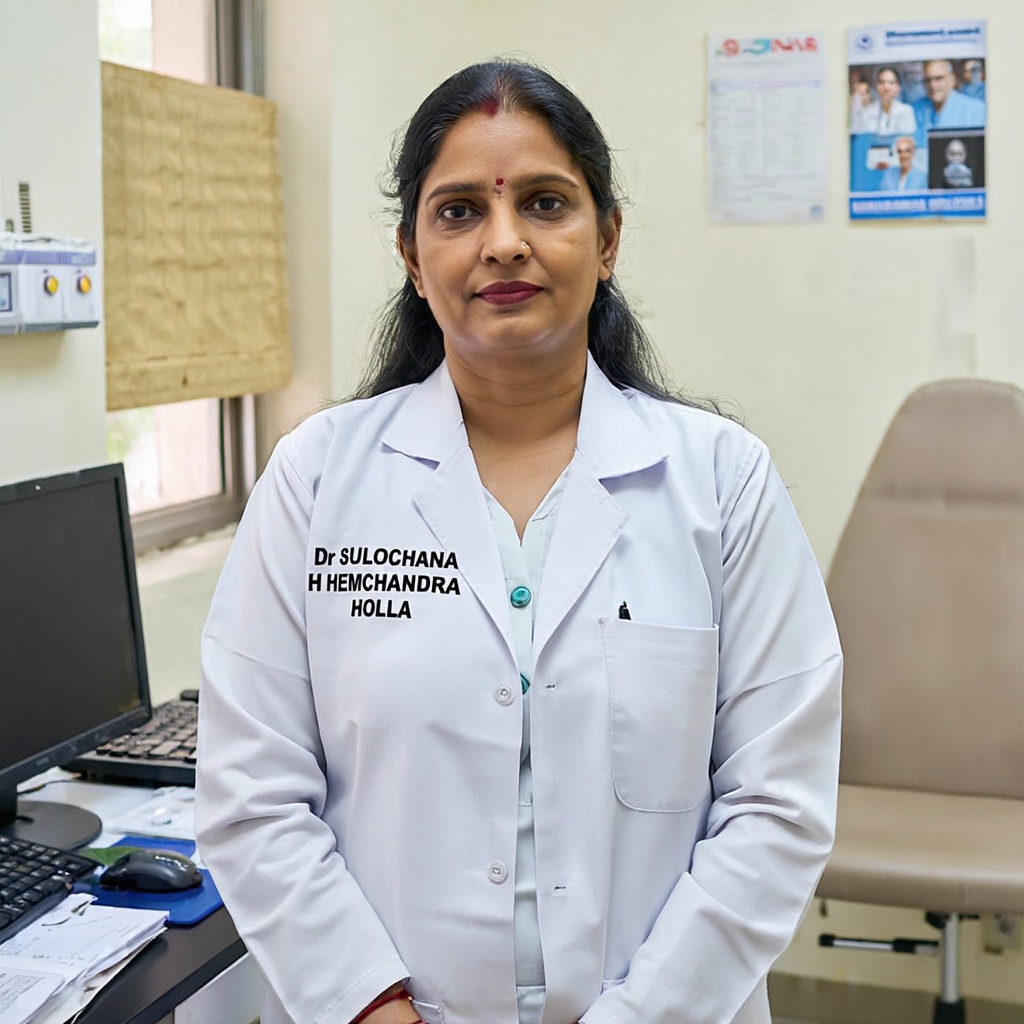
Dr SULOCHANA HEMCHANDRA HOLLA
Consultant Medical Geneticist · Reg: 8532
Last reviewed: September 7, 2026
Overview
The purpose of this test is to detect pathogenic variants in the MOGS gene to diagnose Glycosylation Disorder Type 2B, enabling early management, family counseling, and informed medical decisions.
- Test Code
- 2050
- Price
- ₹20,000
- Sample Type
- Blood or Extracted DNA or One drop Blood on FTA Card
- Result Time
- 3 to 4 Weeks
- Fasting Required
- No
- Method
- Next-Generation Sequencing (NGS)
Sample Collection
Clinical history of the patient and a genetic counseling session to draw a pedigree chart of family members affected with Glycosylation Disorder Type 2B.
Method: Venipuncture
Laboratory Analysis
Standard blood draw or DNA collection from FTA card.
Report Delivery
Sample is processed for NGS analysis in the laboratory.
Timeline: 3 to 4 Weeks
Patient Instructions
About This Test
Who Should Get This Test
The purpose of this test is to detect pathogenic variants in the MOGS gene to diagnose Glycosylation Disorder Type 2B, enabling early management, family counseling, and informed medical decisions.
How to Prepare
- Ensure proper labeling of samples
- Use sterile collection tubes
- Transport at ambient room temperature
Doctor's Notes
Reviewed by Dr SULOCHANA HEMCHANDRA HOLLA — MBBS, MD (Medical Genetics) · Reg. No. 8532
"Early diagnosis is important in managing symptoms and providing supportive care for MOGS Gene Glycosylation Disorder Type 2B."
Last medically reviewed: September 7, 2026
Test Parameters & Specifications
Sample Stability
- Hemolyzed samples
- Insufficient sample volume
- Contaminated or unlabeled samples
Understanding Your Results
No pathogenic variants detected
Normal result; does not rule out other genetic disorders.
Pathogenic variant detected
Confirmatory for MOGS Gene Glycosylation Disorder Type 2B; clinical correlation recommended.
If symptoms of developmental delay, seizures, or other indicators are present, or for family planning in cases with family history.
Limitations
- ⚠May not detect all genetic variants
- ⚠Requires genetic counseling for interpretation
- ⚠Results are indicative and may need confirmatory testing
Risks & Considerations
- ●Minor bruising or infection at blood draw site
- ●Psychological impact of results
Interfering Factors
- ●Sample contamination
- ●Degraded DNA
- ●Improper sample storage
Frequently Asked Questions
What is MOGS Gene Glycosylation Disorder Type 2B?
What are the common symptoms of this disorder?
How is MOGS Gene Glycosylation Disorder Type 2B diagnosed?
What is the cost of the NGS Genetic Test for this disorder in India?
Is home sample collection available for this test?
How long does it take to get the test results?
Is there a cure for MOGS Gene Glycosylation Disorder Type 2B?
What treatments are available for this disorder?
Who should consider getting tested for this disorder?
What is NGS technology?
Are there any risks associated with this genetic test?
How should I prepare for the test?
Related Tests
Reference Laboratory Services
We serve as a reference laboratory for hospitals and clinics across India. Send samples from your facility with same-day pickup, priority processing, and results delivered through our online portal. Competitive institutional pricing available.
Your Data Privacy
Your medical data is protected under Indian law.
✓ Stored in India: All patient records are stored on servers located in India. No data is transferred outside the country.
✓ DPDP Act Compliant: Under the Digital Personal Data Protection Act 2023, you can request deletion of your records at any time by contacting support.
Book Your Test
Enter your details and we'll connect you within 15 minutes.