
paternal UPD chr. 14 Gene Kagami-Ogata syndrome NGS Genetic Test
Short Name: Kagami-Ogata NGS Test
Also known as: Paternal UPD14 NGS, UPD(14)pat Testing, Kagami-Ogata Syndrome Genetic Test
paternal UPD chr. 14 Gene Kagami-Ogata syndrome NGS Genetic Test test available at DNA Labs India for ₹20,000. Uses Next Generation Sequencing (NGS) on Blood or Extracted DNA or One drop Blood on FTA Card samples. Results in Reports are typically available within 3 to 4 weeks after the sample reaches the laboratory.. Free home collection in 300+ cities across India.

🩺 Medically Reviewed By
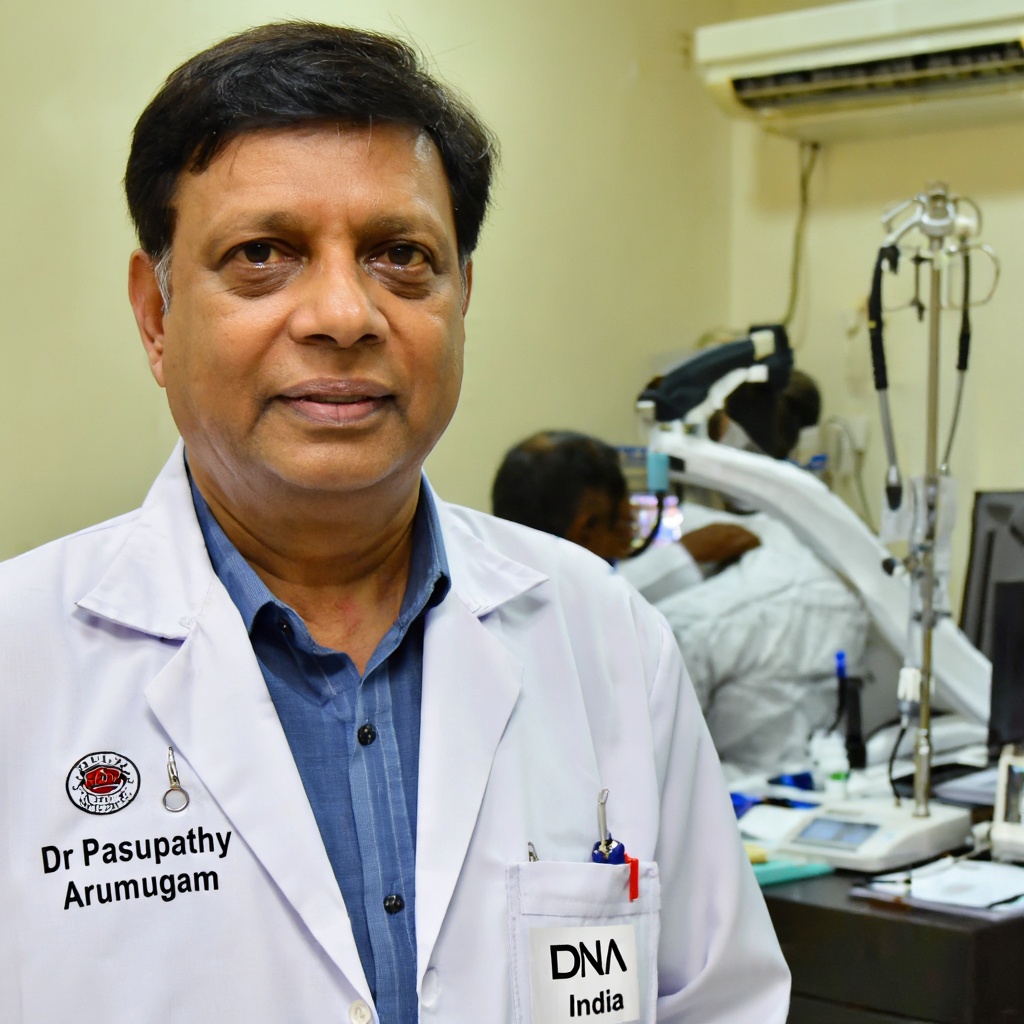
Dr Pasupathy Arumugam
Consultant Pathologist · Reg: 21521
Last reviewed: September 7, 2026
Overview
The purpose of this NGS genetic test is to confirm the diagnosis of Kagami-Ogata syndrome by detecting paternal uniparental disomy of chromosome 14. It helps in differentiating this condition from other imprinting disorders and provides essential information for prognosis and management. Early diagnosis enables timely intervention for growth retardation, feeding difficulties, and developmental delays. Additionally, it allows for accurate genetic counseling for the family regarding recurrence risks and reproductive options.
- Test Code
- 5810
- CPT Code
- 81405
- ICD Code
- Q87.8
- Price
- ₹20,000
- Sample Type
- Blood or Extracted DNA or One drop Blood on FTA Card
- Result Time
- Reports are typically available within 3 to 4 weeks after the sample reaches the laboratory.
- Fasting Required
- No
- Method
- Next Generation Sequencing (NGS)
Sample Collection
No special preparation is required. However, a genetic counseling session is recommended before the test to discuss the implications and obtain informed consent. Please provide a detailed clinical history and any relevant family pedigree.
Method: Venipuncture or FTA card spot
Laboratory Analysis
Blood sample will be collected by a trained phlebotomist. For FTA card, a few drops of blood will be spotted on the card. The procedure is quick and minimally invasive.
Report Delivery
No specific aftercare is needed. You can resume normal activities immediately. The sample will be transported to the laboratory for analysis.
Timeline: Reports are typically available within 3 to 4 weeks after the sample reaches the laboratory.
Patient Instructions
About This Test
Who Should Get This Test
The purpose of this NGS genetic test is to confirm the diagnosis of Kagami-Ogata syndrome by detecting paternal uniparental disomy of chromosome 14. It helps in differentiating this condition from other imprinting disorders and provides essential information for prognosis and management. Early diagnosis enables timely intervention for growth retardation, feeding difficulties, and developmental delays. Additionally, it allows for accurate genetic counseling for the family regarding recurrence risks and reproductive options.
How to Prepare
- Ensure the patient's identity is verified with a valid ID
- Use EDTA vacutainer for blood collection
- For FTA card, allow blood spots to dry completely before packaging
- Label the sample with patient name, date, and time of collection
- Transport samples at ambient temperature to the laboratory
Doctor's Notes
Reviewed by Dr Pasupathy Arumugam — MBBS, MD (Pathology) · Reg. No. 21521
"Early genetic confirmation of Kagami-Ogata syndrome is crucial for managing growth and developmental challenges. This NGS test provides definitive diagnosis of paternal UPD14."
Last medically reviewed: September 7, 2026
Test Parameters & Specifications
Sample Stability
- Hemolyzed or clotted blood sample
- Insufficient sample volume
- Improper labeling
- Sample received after prolonged transit without proper storage
Understanding Your Results
Positive for paternal UPD14
Confirms diagnosis of Kagami-Ogata syndrome. Genetic counseling is advised for family planning and management.
Negative for paternal UPD14
No evidence of paternal UPD14. Other genetic causes should be considered if symptoms persist.
Inconclusive
Test could not be completed due to technical issues. Repeat testing or alternative methods may be required.
Consult a pediatric geneticist or clinical geneticist if your child shows features such as abdominal wall defects, characteristic facial appearance, or developmental delay. Early diagnosis can significantly improve management outcomes.
Limitations
- ⚠This test detects only paternal UPD14, not other causes of Kagami-Ogata syndrome (e.g., microdeletions, epimutations)
- ⚠Results should be interpreted in the context of clinical findings
- ⚠Genetic counseling is recommended for result interpretation
- ⚠Prenatal testing requires prior confirmation of fetal indication
Risks & Considerations
- ●Minimal risk of bruising or infection at the blood draw site
- ●Fainting or dizziness during blood collection (rare)
- ●Psychological impact of genetic results
Interfering Factors
- ●Maternal cell contamination in the sample
- ●Low DNA quality or quantity
- ●Recent blood transfusion (within 2 weeks)
- ●Bone marrow transplantation
- ●Incomplete clinical information
Compare With Similar Tests
| Test | paternal UPD chr. 14 Gene Kagami-Ogata syndrome NGS Genetic Test | Chromosomal Microarray (CMA) | Methylation-Specific MLPA | Whole Exome Sequencing |
|---|---|---|---|---|
| Comparison | paternal UPD chr. 14 Gene Kagami-Ogata syndrome NGS Genetic Test | CMA detects copy number changes but cannot identify UPD. NGS test specifically detects UPD14. | MLPA is targeted but may not cover all UPD cases. NGS provides comprehensive analysis. | WES is broader but more expensive and may not detect UPD. NGS test is cost-effective for this indication. |
Frequently Asked Questions
What is Kagami-Ogata syndrome?
How is paternal UPD14 detected?
What is the cost of the test?
What sample is required?
Is fasting required?
How long does it take to get results?
Is home sample collection available?
Who should undergo this test?
Can this test be done prenatally?
What does a positive result mean?
Are there any risks?
Is genetic counseling included?
Related Tests
MSX2 Gene Craniosynostosis type 2 NGS Genetic Test
₹20,000EVC2 Gene Ellis-van Creveld syndrome NGS Genetic Test
₹20,000FGFR2 Gene Saethre-Chotzen syndrome NGS Genetic Test
₹20,000TSPYL1 Gene Sudden infant death with dysgenesis of the testes syndrome NGS Genetic Test
₹20,000ATRX Gene Alpha-thalassemia/mental retardation syndrome NGS Genetic Test
₹20,000PTH1R Gene Chondrodysplasia, Blomstrand type NGS Genetic Test
₹20,000Reference Laboratory Services
We serve as a reference laboratory for hospitals and clinics across India. Send samples from your facility with same-day pickup, priority processing, and results delivered through our online portal. Competitive institutional pricing available.
Your Data Privacy
Your medical data is protected under Indian law.
✓ Stored in India: All patient records are stored on servers located in India. No data is transferred outside the country.
✓ DPDP Act Compliant: Under the Digital Personal Data Protection Act 2023, you can request deletion of your records at any time by contacting support.
Book Your Test
Enter your details and we'll connect you within 15 minutes.