
PDE6C Gene Cone-Rod Dystrophy Type 4 NGS Genetic Test
Short Name: PDE6C CORD4 NGS Test
Also known as: PDE6C Gene Sequencing, CORD4 Genetic Test, Cone-Rod Dystrophy Type 4 NGS Evaluation
PDE6C Gene Cone-Rod Dystrophy Type 4 NGS Genetic Test test available at DNA Labs India for ₹20,000. Uses Next-Generation Sequencing (NGS) on Blood or Extracted DNA or One drop Blood on FTA Card samples. Results in Reports are generally available in 3 to 4 weeks after the sample is received at the laboratory.. Free home collection in 300+ cities across India.

🩺 Medically Reviewed By
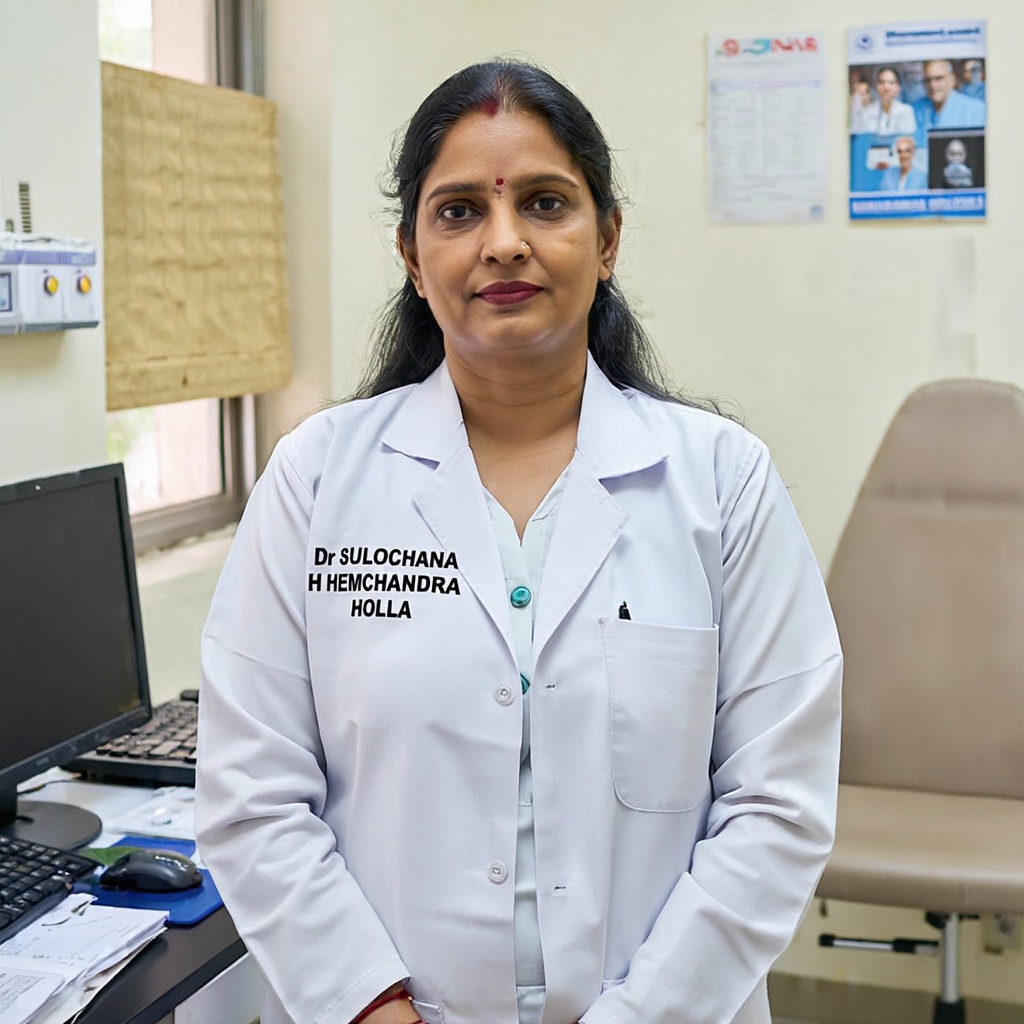
Dr SULOCHANA HEMCHANDRA HOLLA
Consultant Medical Geneticist · Reg: 8532
Last reviewed: September 7, 2026
Overview
The purpose of this test is to identify disease-causing variants in the PDE6C gene using next-generation sequencing, thereby confirming or ruling out cone-rod dystrophy type 4 and enabling informed clinical management and genetic counseling.
- Test Code
- 3819
- Price
- ₹20,000
- Sample Type
- Blood or Extracted DNA or One drop Blood on FTA Card
- Result Time
- Reports are generally available in 3 to 4 weeks after the sample is received at the laboratory.
- Fasting Required
- No
- Method
- Next-Generation Sequencing (NGS)
Sample Collection
No fasting is required. The patient should provide a valid referral, clinical history, and signed consent. Pre-test genetic counseling is recommended to explain the benefits, risks, and limitations of the test.
Method: Venipuncture / Finger-prick FTA spot
Laboratory Analysis
A small blood sample will be collected by a phlebotomist. If an FTA card is used, one drop of blood is sufficient. The procedure is quick and causes minimal discomfort.
Report Delivery
You may resume your normal routine immediately. The sample is labeled and transported to the laboratory for NGS processing. A detailed clinical report will be shared once analysis is complete.
Timeline: Reports are generally available in 3 to 4 weeks after the sample is received at the laboratory.
Patient Instructions
About This Test
Who Should Get This Test
The purpose of this test is to identify disease-causing variants in the PDE6C gene using next-generation sequencing, thereby confirming or ruling out cone-rod dystrophy type 4 and enabling informed clinical management and genetic counseling.
How to Prepare
- Blood sample in EDTA vacutainer is preferred
- FTA card spot should be fully dried before packaging
- Extracted DNA sample should be labeled and stored appropriately
- Patient name, date of birth, and referral details must be written clearly
Doctor's Notes
Reviewed by Dr SULOCHANA HEMCHANDRA HOLLA — MBBS, MD (Medical Genetics) · Reg. No. 8532
"A molecular diagnosis of cone-rod dystrophy can clarify recurrence risk and support informed family planning. Pre-test genetic counseling and post-test interpretation by a qualified doctor are essential."
Last medically reviewed: September 7, 2026
Test Parameters & Specifications
Sample Stability
- Hemolyzed or clotted blood sample
- Incorrectly labeled sample
- Sample without signed consent or clinical history
- Degraded or contaminated DNA
Understanding Your Results
Consult an ophthalmologist or clinical geneticist if you or your child have progressive vision loss, abnormal color vision, night blindness, visual field narrowing, or light sensitivity. Genetic testing should always be ordered and interpreted by a qualified doctor.
Limitations
- ⚠NGS may not reliably detect large deletions, duplications, or structural rearrangements
- ⚠Deep intronic and regulatory region variants are not covered
- ⚠A negative result does not exclude all genetic causes of cone-rod dystrophy
- ⚠Variant of uncertain significance may require additional family testing
Risks & Considerations
- ●Minimal pain or bruising at the blood collection site
- ●Rare risk of infection or prolonged bleeding
- ●Psychological impact of genetic testing results
Interfering Factors
- ●Low-quality or degraded DNA
- ●Sample contamination
- ●Incorrect or incomplete clinical/family history
- ●Mutations located outside the targeted coding and flanking regions
- ●Mosaic variants below the assay detection threshold
Compare With Similar Tests
| Test | PDE6C Gene Cone-Rod Dystrophy Type 4 NGS Genetic Test | PDE6C Targeted NGS | Sanger Sequencing | Retinal Dystrophy Multigene Panel | Whole Exome Sequencing |
|---|---|---|---|---|---|
| Comparison | PDE6C Gene Cone-Rod Dystrophy Type 4 NGS Genetic Test |
Frequently Asked Questions
What is the PDE6C Gene Cone-Rod Dystrophy Type 4 NGS Genetic Test?
What is cone-rod dystrophy type 4?
What is the cost of this test at DNA Labs India?
What sample types are accepted?
Is fasting required before the test?
How long will the reports take?
Will I receive raw data with the report?
Can this test detect all mutations in PDE6C?
Who should get this test?
Do I need genetic counseling before the test?
Is this test covered by insurance?
Is home blood collection available?
Related Tests
Leber's Hereditary Optic Neuropathy (LHON) Mitochondrial Mutation Detection Test
₹25,000Nx Gen Sequencing: Glaucoma Test
₹28,665Nx Gen Sequencing: Corneal Dystrophy Test
₹28,665Nx Gen Sequencing: Leber Congenital Amaurosis Test
₹28,665Nx Gen Sequencing: Optic Atrophy Test
₹28,665GPR143 Gene Albinism, Ocular Type I, Nettleship-Falls Type NGS Genetic Test
₹20,000Reference Laboratory Services
We serve as a reference laboratory for hospitals and clinics across India. Send samples from your facility with same-day pickup, priority processing, and results delivered through our online portal. Competitive institutional pricing available.
Your Data Privacy
Your medical data is protected under Indian law.
✓ Stored in India: All patient records are stored on servers located in India. No data is transferred outside the country.
✓ DPDP Act Compliant: Under the Digital Personal Data Protection Act 2023, you can request deletion of your records at any time by contacting support.
Book Your Test
Enter your details and we'll connect you within 15 minutes.