
Plasma Renin Direct Test
Short Name: Plasma Renin Direct
Also known as: Renin Assay, Direct Renin Concentration, Plasma Renin Activity
Plasma Renin Direct Test test available at DNA Labs India for ₹7,000. Uses CLIA (Chemiluminescence Immunoassay) on Plasma samples. Results in Reports are typically generated on the same day for samples received by Tuesday or Friday before 11 AM. However, please check with the center for exact timing.. Free home collection in 300+ cities across India.

🩺 Medically Reviewed By
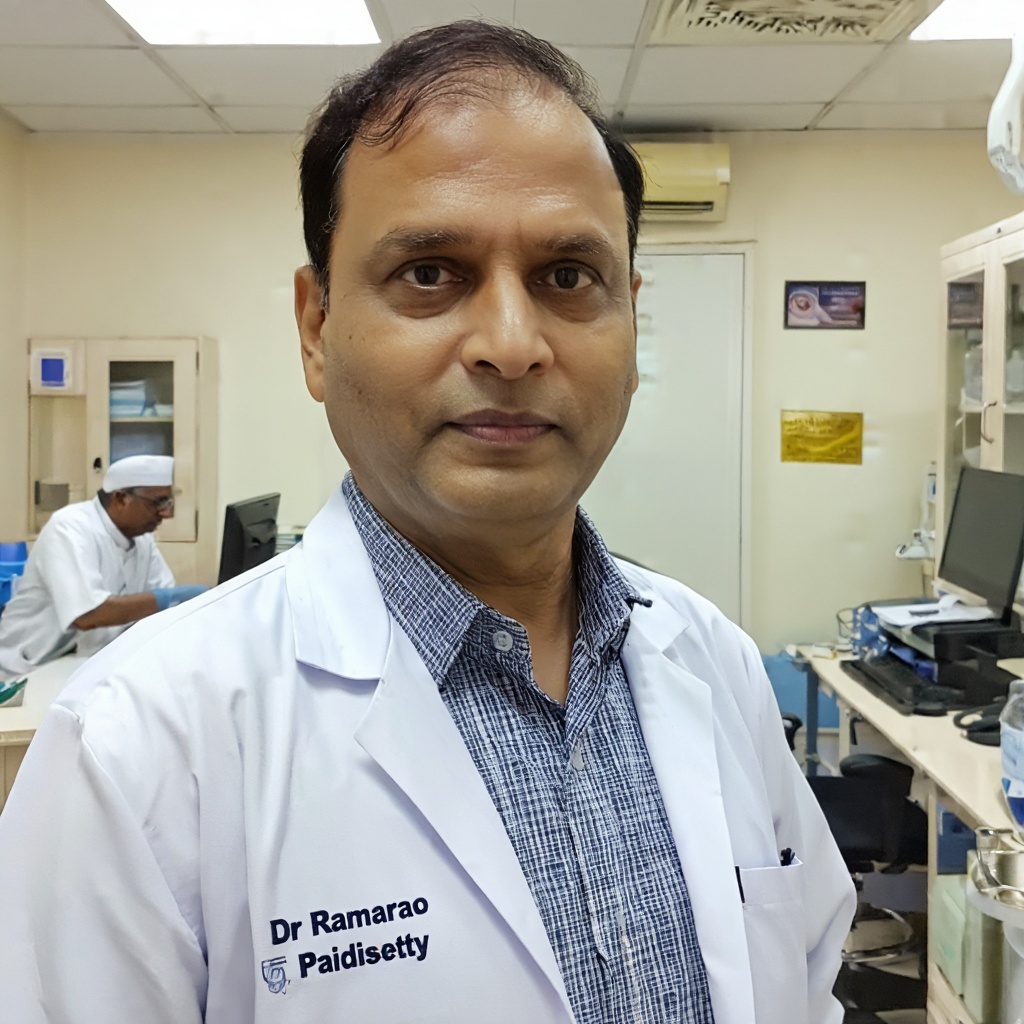
Dr Ramarao Paidisetty
Consultant Biochemist · Reg: 21504
Last reviewed: September 7, 2026
Overview
The purpose of the Plasma Renin Direct test is to evaluate the functional status of the renin-angiotensin-aldosterone system. It aids in: - Diagnosing the cause of hypertension, especially resistant or early-onset hypertension. - Distinguishing primary aldosteronism from secondary aldosteronism. - Identifying renal hypertension due to renal artery stenosis or parenchymal kidney disease. - Evaluating hypoaldosteronism states such as hyporeninemic hypoaldosteronism. - Investigating electrolyte imbalances like unexplained hypokalemia or hyperkalemia. - Monitoring patients on medications such as ACE inhibitors or ARBs to assess drug effects on RAAS. - Providing essential data for calculating the aldosterone-to-renin ratio (ARR), a screening tool for primary aldosteronism.
- Test Code
- 3564
- CPT Code
- 84244
- ICD Code
- R03.0
- Price
- ₹7,000
- Sample Type
- Plasma
- Result Time
- Reports are typically generated on the same day for samples received by Tuesday or Friday before 11 AM. However, please check with the center for exact timing.
- Fasting Required
- No
- Method
- CLIA (Chemiluminescence Immunoassay)
Sample Collection
Patient should be ambulatory/upright for at least 2 hours prior to the test. Do not take the specified antihypertensive or diuretic medications as they affect renin levels. If medication changes are necessary, they should be done in consultation with the treating clinician. Maintain usual sodium intake or follow specific instructions from the doctor. Fasting is not required, but avoid eating a heavy meal immediately before the blood draw.
Method: Venipuncture
Laboratory Analysis
A blood sample will be drawn from a vein in the arm using a sterile needle. This is a routine procedure and takes only a few minutes. The sample is collected in an EDTA (lavender top) tube and placed on ice for transport to the laboratory. Ensure the tube is properly labeled and not hemolyzed.
Report Delivery
No special precautions are needed after the blood draw. You may resume normal activities and medications as advised by your doctor. If bruising or soreness occurs at the puncture site, apply pressure and use a cold compress if needed.
Timeline: Reports are typically generated on the same day for samples received by Tuesday or Friday before 11 AM. However, please check with the center for exact timing.
Patient Instructions
About This Test
Who Should Get This Test
The purpose of the Plasma Renin Direct test is to evaluate the functional status of the renin-angiotensin-aldosterone system. It aids in:
- Diagnosing the cause of hypertension, especially resistant or early-onset hypertension.
- Distinguishing primary aldosteronism from secondary aldosteronism.
- Identifying renal hypertension due to renal artery stenosis or parenchymal kidney disease.
- Evaluating hypoaldosteronism states such as hyporeninemic hypoaldosteronism.
- Investigating electrolyte imbalances like unexplained hypokalemia or hyperkalemia.
- Monitoring patients on medications such as ACE inhibitors or ARBs to assess drug effects on RAAS.
- Providing essential data for calculating the aldosterone-to-renin ratio (ARR), a screening tool for primary aldosteronism.
How to Prepare
- Patient must be ambulatory or upright for 2 hours before sample collection.
- Sample should be collected in a Lavender Top (EDTA) tube.
- Separate plasma immediately after centrifugation and freeze.
- Ship frozen. Do not thaw the sample before analysis.
- Avoid hemolysis during collection and handling.
Doctor's Notes
Reviewed by Dr Ramarao Paidisetty — MBBS, MD (Biochemistry) · Reg. No. 21504
"The plasma renin direct test is essential for evaluating the renin-angiotensin-aldosterone system, particularly in patients with resistant hypertension or suspected primary aldosteronism. Proper patient preparation is critical for accurate interpretation."
Last medically reviewed: September 7, 2026
Test Parameters & Specifications
Sample Stability
- Sample not collected in EDTA (lavender top) tube
- Sample hemolyzed or lipemic
- Plasma not separated and frozen immediately
- Sample thawed during transport
- Insufficient sample volume (<2.5 mL plasma)
- Patient not ambulatory/upright for required duration
- Discontinued medications within the specified timeframe
Understanding Your Results
High renin levels (elevated)
Seen in renal hypertension (renovascular hypertension), Addison's disease, secondary hypoaldosteronism, diuretic use, salt depletion, and conditions such as bartter syndrome or malignant hypertension. In these cases, the RAAS is activated due to low renal perfusion, decreased sodium, or other stimuli.
Low renin levels (suppressed)
Seen in hyporeninemic hypoaldosteronism (often in diabetes mellitus with chronic kidney disease), primary aldosteronism (Conn's syndrome), Liddle's syndrome, or excessive mineralocorticoid intake. Low renin with high aldosterone indicates primary aldosteronism.
Aldosterone-to-Renin Ratio (ARR)
The ARR is calculated to screen for primary aldosteronism. An elevated ARR (e.g., >20-30 depending on units) with plasma aldosterone >15 ng/dL suggests primary aldosteronism. This test is the recommended screening method and should be followed by confirmatory testing.
You should consult a doctor if you experience persistent high blood pressure despite taking multiple medications, unexplained dizziness or fainting, severe fatigue, muscle cramps, palpitations, or frequent urination. If your plasma renin test results are abnormal, your physician may refer you to a nephrologist or endocrinologist for further evaluation and management.
Risks & Considerations
- ●Bruising at the venipuncture site
- ●Lightheadedness or fainting during blood draw
- ●Infection (rare, if sterile technique is not followed)
- ●Excessive bleeding (in patients with bleeding disorders)
Interfering Factors
- ●Medications: Potassium-wasting diuretics, spironolactone, eplerenone, amiloride, triamterene (discontinue at least 4 weeks prior), Adrenergic blockers, clonidine, methyldopa, NSAIDs, ACE inhibitors, ARBs, renin inhibitors, dihydropyridine calcium channel blockers (discontinue 2 weeks prior), as per physician advice.
- ●Posture: Renin levels increase when upright; patient must be ambulatory/upright for at least 2 hours before sampling.
- ●Sodium intake: Low-sodium diet increases renin, high-sodium suppresses renin.
- ●Menstrual cycle and pregnancy may affect renin levels.
- ●Time of day: Renin secretion has circadian variation, influenced by posture and activity.
- ●Sample handling: Hemolysis, delayed separation, or thawing can cause erroneous results.
Compare With Similar Tests
| Test | Plasma Renin Direct Test | Plasma Renin Activity (PRA) | Serum Aldosterone | Cortisol Level |
|---|---|---|---|---|
| Comparison | Plasma Renin Direct Test |
Frequently Asked Questions
What is the Plasma Renin Direct test?
How much does the Plasma Renin Direct test cost in India?
Do I need to fast before the test?
Why do I need to be upright for 2 hours before the test?
What medications can interfere with the test?
How is the sample collected?
What is the turnaround time for the test?
What conditions increase renin levels?
What conditions decrease renin levels?
Is home sample collection available for this test?
Can this test be done during pregnancy?
How should I prepare for the test?
Reference Laboratory Services
We serve as a reference laboratory for hospitals and clinics across India. Send samples from your facility with same-day pickup, priority processing, and results delivered through our online portal. Competitive institutional pricing available.
Your Data Privacy
Your medical data is protected under Indian law.
✓ Stored in India: All patient records are stored on servers located in India. No data is transferred outside the country.
✓ DPDP Act Compliant: Under the Digital Personal Data Protection Act 2023, you can request deletion of your records at any time by contacting support.
Book Your Test
Enter your details and we'll connect you within 15 minutes.