
PROM1 Gene Cone-Rod Dystrophy Type 12 NGS Genetic Test
Short Name: PROM1 CORD12 NGS Test
Also known as: PROM1 Gene Cone-Rod Dystrophy Type 12 Test, CORD12 NGS Genetic Test, PROM1 Retinal Dystrophy Genetic Test
PROM1 Gene Cone-Rod Dystrophy Type 12 NGS Genetic Test test available at DNA Labs India for ₹20,000. Uses Next Generation Sequencing (NGS) on Blood or Extracted DNA or One drop Blood on FTA Card samples. Results in Samples are reported in 3 to 4 weeks from receipt of a complete and acceptable sample. The turnaround time includes DNA extraction, NGS sequencing, data analysis, variant interpretation, and medical report preparation.. Free home collection in 300+ cities across India.

🩺 Medically Reviewed By
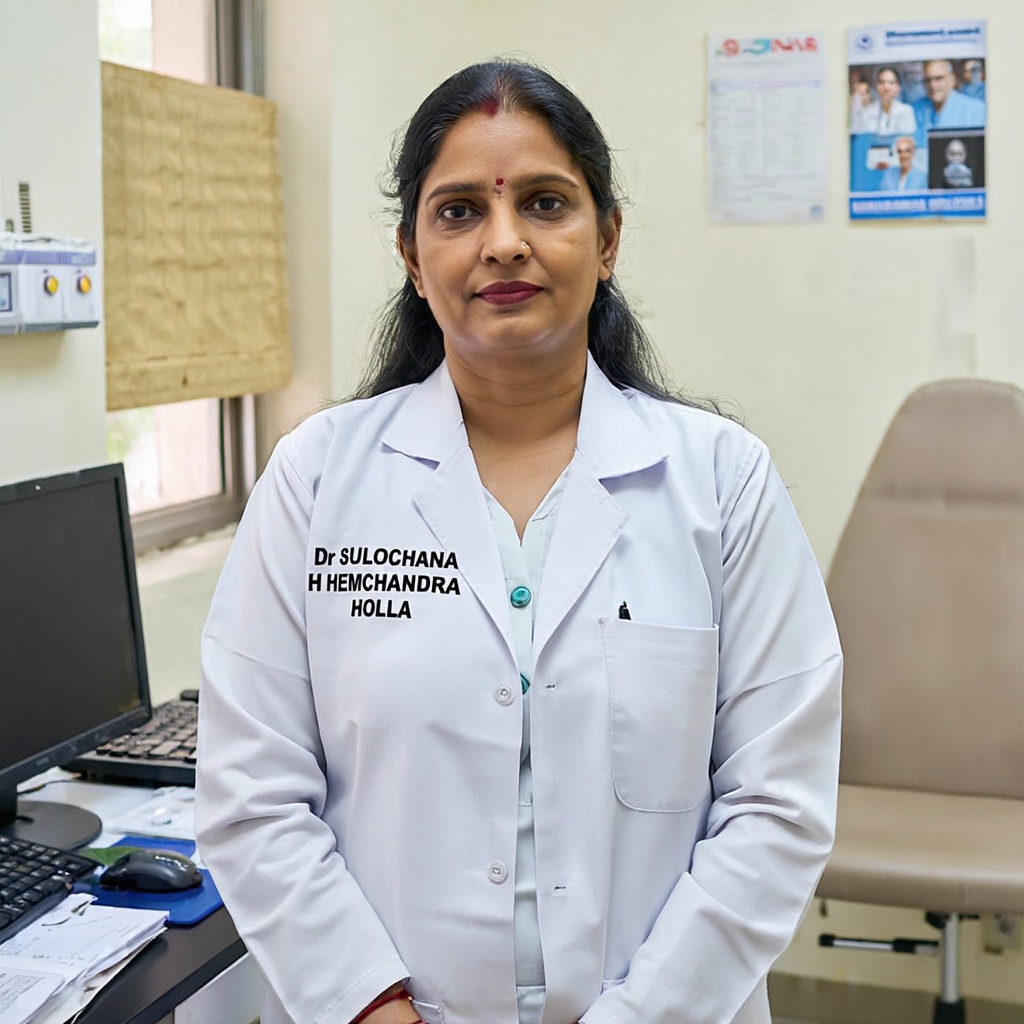
Dr SULOCHANA HEMCHANDRA HOLLA
Consultant Medical Geneticist · Reg: 8532
Last reviewed: September 7, 2026
Overview
The purpose of this test is to identify a pathogenic or likely pathogenic variant in the PROM1 gene that may explain an individual's clinical presentation of cone-rod dystrophy type 12. The result helps confirm the molecular diagnosis, supports prognostication, and provides a basis for genetic counseling, family planning, and clinical management.
- Test Code
- 3812
- CPT Code
- 81479
- ICD Code
- H35.5
- Price
- ₹20,000
- Sample Type
- Blood or Extracted DNA or One drop Blood on FTA Card
- Result Time
- Samples are reported in 3 to 4 weeks from receipt of a complete and acceptable sample. The turnaround time includes DNA extraction, NGS sequencing, data analysis, variant interpretation, and medical report preparation.
- Fasting Required
- No
- Method
- Next Generation Sequencing (NGS)
Sample Collection
No fasting is required. No special dietary preparation is needed. Please carry a valid photo ID and any ophthalmology records or referral documents. Inform the lab staff about any recent blood transfusion or bone marrow transplant, as this may affect DNA analysis.
Method: Venipuncture or FTA card blood spot
Laboratory Analysis
A trained phlebotomist will collect the sample. For FTA card collection, one or more drops of blood are placed on the FTA card. The procedure is quick and generally painless.
Report Delivery
No post-test precautions are required. You may resume all routine activities immediately after sample collection.
Timeline: Samples are reported in 3 to 4 weeks from receipt of a complete and acceptable sample. The turnaround time includes DNA extraction, NGS sequencing, data analysis, variant interpretation, and medical report preparation.
Patient Instructions
About This Test
Who Should Get This Test
The purpose of this test is to identify a pathogenic or likely pathogenic variant in the PROM1 gene that may explain an individual's clinical presentation of cone-rod dystrophy type 12. The result helps confirm the molecular diagnosis, supports prognostication, and provides a basis for genetic counseling, family planning, and clinical management.
How to Prepare
- Blood, extracted DNA, or one drop of blood on FTA card can be submitted.
- Clearly label the sample with the patient's name, date of birth, and collection date.
- Do not freeze whole blood; store at room temperature or 2-8°C until transport.
- Home collection is available at no extra cost for online bookings.
- The sample should be accompanied by a completed test requisition form and clinical indication.
Doctor's Notes
Reviewed by Dr SULOCHANA HEMCHANDRA HOLLA — MBBS, MD (Medical Genetics) · Reg. No. 8532
"A detailed three-generation family history and ophthalmological evaluation are essential before offering PROM1 genetic testing. Genetic counseling is recommended for all patients with inherited retinal dystrophies."
Last medically reviewed: September 7, 2026
Test Parameters & Specifications
Sample Stability
- Sample received without proper labeling or requisition form
- Clotted or hemolyzed blood sample
- Insufficient quantity of extracted DNA
- Sample exposed to extreme temperatures or incorrect storage
- Mismatch between sample label and test request form
Understanding Your Results
If you or a family member have progressive visual loss, reduced color perception, photophobia, or a known inherited retinal dystrophy, please consult an ophthalmologist and a clinical geneticist. A positive, negative, or uncertain genetic test result should always be discussed with a qualified genetic counselor.
Limitations
- ⚠This is a single-gene test and does not include analysis of other genes associated with inherited retinal dystrophies.
- ⚠NGS may not detect all types of genetic changes, including large deletions or duplications, deep intronic variants, repeat expansions, and certain structural rearrangements.
- ⚠A variant of uncertain significance (VUS) may be reported and requires additional clinical correlation or family segregation studies.
- ⚠A negative result does not exclude a non-genetic cause or a mutation in another gene.
- ⚠The test is not intended for diagnostic purposes without clinical correlation and appropriate genetic counseling.
Risks & Considerations
- ●Minimal risk of bruising, bleeding, or infection at the venipuncture site
- ●No major physical risks associated with NGS genetic testing
- ●Potential psychological impact of receiving an unexpected or uncertain result
- ●Possibility of identifying a variant of uncertain significance
Interfering Factors
- ●Mixing or incorrect labeling of samples
- ●Contaminated, degraded, or insufficient DNA
- ●Very low sequencing coverage in certain regions of PROM1
- ●Presence of homologous pseudogene sequences
- ●Recent allogeneic bone marrow transplantation may affect germline DNA results
Compare With Similar Tests
| Test | PROM1 Gene Cone-Rod Dystrophy Type 12 NGS Genetic Test | PROM1 Single-Gene NGS Genetic Test | ABCA4 Gene NGS Genetic Test | Retinal Dystrophy Multi-Gene NGS Panel | Whole Exome Sequencing for Inherited Retinal Disorders |
|---|---|---|---|---|---|
| Comparison | PROM1 Gene Cone-Rod Dystrophy Type 12 NGS Genetic Test |
Frequently Asked Questions
What is PROM1 Gene Cone-Rod Dystrophy Type 12?
What does the PROM1 Gene NGS Genetic Test do?
Who should consider this test?
What is the cost of the test?
What sample is required?
How long does the report take?
Do I get raw data with the report?
What do the results tell me?
Is this test covered by insurance?
Will NGS detect all PROM1 mutations?
Why do we also need genetic counseling?
How can I book the test?
Related Tests
Leber's Hereditary Optic Neuropathy (LHON) Mitochondrial Mutation Detection Test
₹25,000Nx Gen Sequencing: Glaucoma Test
₹28,665Nx Gen Sequencing: Corneal Dystrophy Test
₹28,665Nx Gen Sequencing: Leber Congenital Amaurosis Test
₹28,665Nx Gen Sequencing: Optic Atrophy Test
₹28,665GPR143 Gene Albinism, Ocular Type I, Nettleship-Falls Type NGS Genetic Test
₹20,000Reference Laboratory Services
We serve as a reference laboratory for hospitals and clinics across India. Send samples from your facility with same-day pickup, priority processing, and results delivered through our online portal. Competitive institutional pricing available.
Your Data Privacy
Your medical data is protected under Indian law.
✓ Stored in India: All patient records are stored on servers located in India. No data is transferred outside the country.
✓ DPDP Act Compliant: Under the Digital Personal Data Protection Act 2023, you can request deletion of your records at any time by contacting support.
Book Your Test
Enter your details and we'll connect you within 15 minutes.