
Respiratory Panel 9 Test
Short Name: RSV Antigen Test
Also known as: RSV Antigen Test, Respiratory Syncytial Virus Antigen Detection, Respiratory Panel 9
Respiratory Panel 9 Test test available at DNA Labs India for ₹1,966. Uses Immunochromatography (ICT), Rapid Antigen Detection on Nasal / Nasopharyngeal / BAL / Respiratory secretions samples. Results in Reports are issued the same day. Samples submitted before 1 pm will have reports ready by the end of the working day.. Free home collection in 300+ cities across India.

🩺 Medically Reviewed By
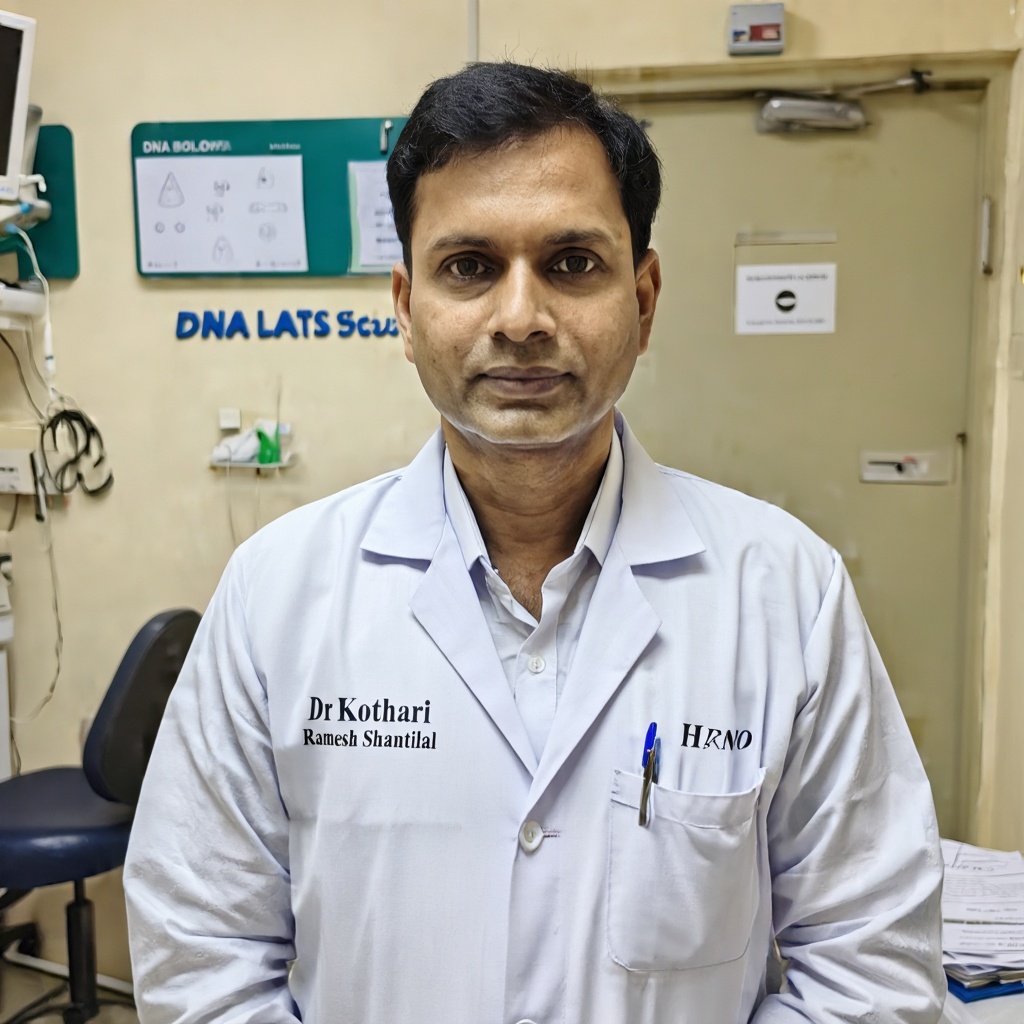
Dr Kothari Ramesh Shantilal
Consultant Microbiologist · Reg: 27670
Last reviewed: September 7, 2026
Overview
To detect the presence of Respiratory Syncytial Virus antigens in respiratory specimens, aiding the rapid diagnosis of RSV infection in suspected individuals, especially infants, young children, and high-risk patients.
- Test Code
- 3596
- CPT Code
- 87420
- ICD Code
- B97.4
- Price
- ₹1,966
- Sample Type
- Nasal / Nasopharyngeal / BAL / Respiratory secretions
- Result Time
- Reports are issued the same day. Samples submitted before 1 pm will have reports ready by the end of the working day.
- Fasting Required
- No
- Method
- Immunochromatography (ICT), Rapid Antigen Detection
Sample Collection
No special preparation required. Inform your doctor about any medications or supplements you are currently taking.
Method: Nasal or nasopharyngeal swab, bronchoalveolar lavage (BAL), or respiratory secretion collection
Laboratory Analysis
A healthcare professional will insert a sterile swab into the nasal cavity or nasopharynx to collect samples. Alternatively, respiratory secretions may be collected via BAL. You may feel a mild scratching or gagging sensation, which subsides quickly.
Report Delivery
You can resume normal activities immediately. The collected sample will be sent to the laboratory for testing. A report will be provided on the same day.
Timeline: Reports are issued the same day. Samples submitted before 1 pm will have reports ready by the end of the working day.
Patient Instructions
About This Test
Who Should Get This Test
To detect the presence of Respiratory Syncytial Virus antigens in respiratory specimens, aiding the rapid diagnosis of RSV infection in suspected individuals, especially infants, young children, and high-risk patients.
How to Prepare
- Collect the sample in a sterile screw-capped container
- Ship refrigerated only; do not freeze
- Transport the sample to the laboratory within 24 hours
- Avoid repeated freezing and thawing
Doctor's Notes
Reviewed by Dr Kothari Ramesh Shantilal — MBBS, MD (Microbiology) · Reg. No. 27670
"RSV antigen testing is highly useful in infants and young children presenting with bronchiolitis or pneumonia. Early diagnosis can guide appropriate care and isolation to prevent spread."
Last medically reviewed: September 7, 2026
Test Parameters & Specifications
Sample Stability
- Samples received at room temperature beyond 24 hours
- Frozen samples
- Samples in inappropriate containers
- Samples with insufficient quantity
Understanding Your Results
Positive
RSV antigen detected. Likely current RSV infection. Clinical correlation is necessary, especially in high-risk populations.
Negative
RSV antigen not detected. RSV infection cannot be fully excluded. Consider alternative diagnostic methods if symptoms persist and suspicion is high.
Seek immediate medical attention if you or your child experience difficulty breathing, rapid breathing, cyanosis (bluish lips or skin), dehydration, reduced urine output, lethargy, or significant irritability. These symptoms may indicate a severe RSV infection requiring urgent care.
Limitations
- ⚠A negative antigen test does not completely rule out RSV infection; molecular tests like RT-PCR are more sensitive
- ⚠Antigen tests may show false positives in low-risk populations
- ⚠RSV antigens may persist for weeks after infection, leading to positive results not representing acute infection
- ⚠The test is less sensitive in older children and adults with milder viral shedding
Risks & Considerations
- ●Nasal swab collection may cause mild discomfort or a nosebleed
- ●Gagging reflex during nasopharyngeal collection
- ●Very rare risk of respiratory distress in severely ill patients during sampling
Interfering Factors
- ●Inadequate or poor-quality sample collection
- ●Delay in transport causing degradation of viral antigens
- ●Sample frozen or exposed to temperature extremes
- ●Contamination of sample
- ●Recent use of antiviral medication may reduce antigen levels
Frequently Asked Questions
What is the RSV antigen test?
Who should get the RSV antigen test?
What does the test cost?
How is the sample collected?
Is fasting required before the test?
When will I get the report?
What does a positive result mean?
What does a negative result mean?
Can adults take this test?
Is home sample collection available?
What is the difference between RSV antigen and PCR tests?
How should the sample be transported?
Related Tests
Reference Laboratory Services
We serve as a reference laboratory for hospitals and clinics across India. Send samples from your facility with same-day pickup, priority processing, and results delivered through our online portal. Competitive institutional pricing available.
Your Data Privacy
Your medical data is protected under Indian law.
✓ Stored in India: All patient records are stored on servers located in India. No data is transferred outside the country.
✓ DPDP Act Compliant: Under the Digital Personal Data Protection Act 2023, you can request deletion of your records at any time by contacting support.
Book Your Test
Enter your details and we'll connect you within 15 minutes.