
RGS9 Gene Bradyopsia NGS Genetic Test
Short Name: RGS9 Bradyopsia NGS Test
Also known as: RGS9 Bradyopsia Genetic Test, RGS9 Gene Mutation Analysis, Bradyopsia NGS Panel
RGS9 Gene Bradyopsia NGS Genetic Test test available at DNA Labs India for ₹20,000. Uses Next Generation Sequencing (NGS) on Blood or Extracted DNA or One drop Blood on FTA Card samples. Results in Reports will be made available within 3 to 4 weeks from the date of sample receipt. Raw data files (FASTQ and VCF) will be shared along with the clinical report.. Free home collection in 300+ cities across India.

🩺 Medically Reviewed By
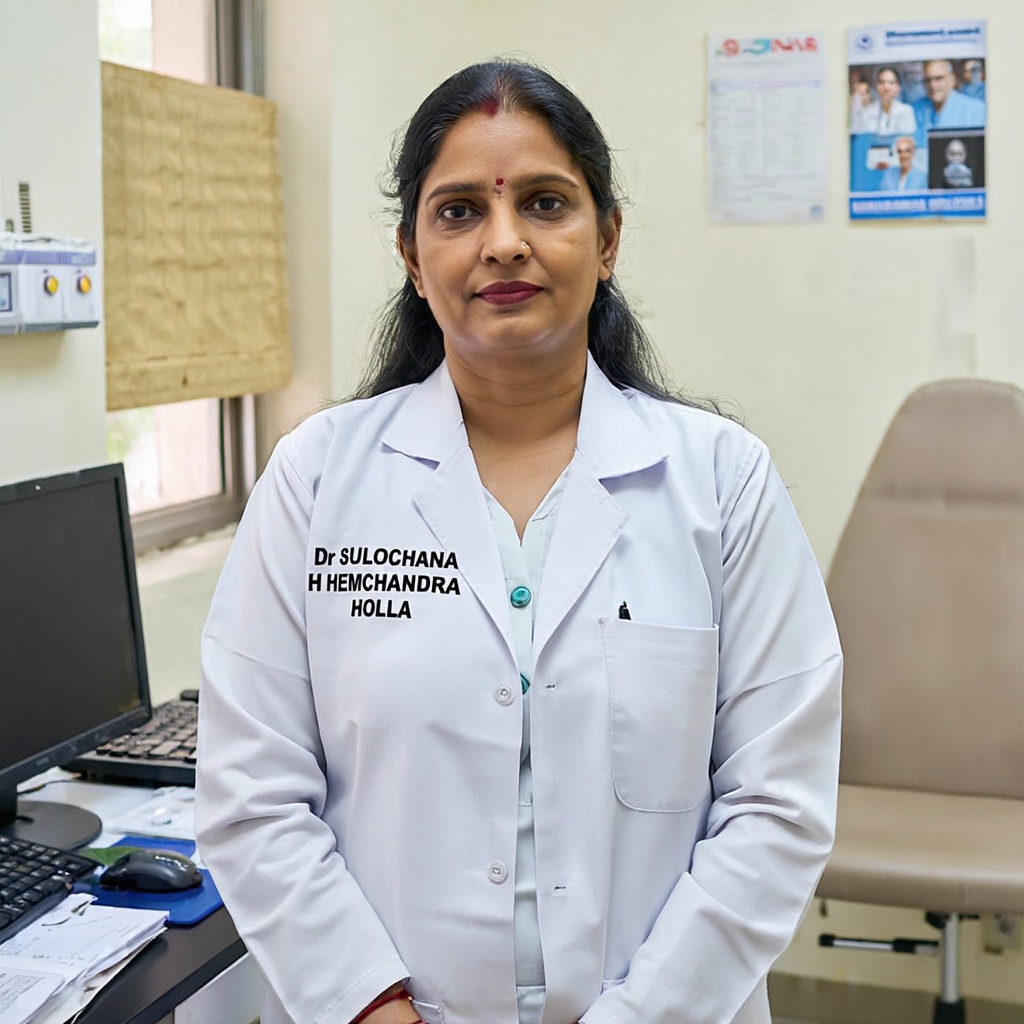
Dr SULOCHANA HEMCHANDRA HOLLA
Consultant Medical Geneticist · Reg: 8532
Last reviewed: September 7, 2026
Overview
The purpose of the RGS9 Gene Bradyopsia NGS Genetic Test is to identify pathogenic mutations in the RGS9 gene that are responsible for the development of bradyopsia. The test is indicated for patients presenting with characteristic symptoms such as prolonged dark adaptation, difficulty with night vision, peripheral vision loss, and reduced visual acuity without obvious retinal structural changes. It also aids in differentiating RGS9-associated bradyopsia from other inherited retinal dystrophies. Early molecular confirmation allows for appropriate visual rehabilitation, genetic counseling, and recurrence risk assessment for family members. This test is performed using next-generation sequencing technology, ensuring comprehensive and reliable results.
- Test Code
- 3774
- Price
- ₹20,000
- Sample Type
- Blood or Extracted DNA or One drop Blood on FTA Card
- Result Time
- Reports will be made available within 3 to 4 weeks from the date of sample receipt. Raw data files (FASTQ and VCF) will be shared along with the clinical report.
- Fasting Required
- No
- Method
- Next Generation Sequencing (NGS)
Sample Collection
No special preparation or fasting is required. However, a detailed clinical history of the patient including prior ophthalmological evaluations and family pedigree should be provided. A genetic counseling session will be arranged to draw a pedigree chart and discuss the implications of the test.
Method: Peripheral blood draw or FTA card blood spot
Laboratory Analysis
For blood sample: A standard phlebotomy procedure is performed by a trained professional. For FTA card sample: A few drops of blood are placed onto the designated FTA card and allowed to dry. The process is minimally invasive and typically takes only a few minutes.
Report Delivery
No specific post-collection precautions are required. Patients can resume their normal activities immediately. The sample will be transported to the laboratory under controlled conditions to ensure DNA integrity.
Timeline: Reports will be made available within 3 to 4 weeks from the date of sample receipt. Raw data files (FASTQ and VCF) will be shared along with the clinical report.
Patient Instructions
About This Test
Who Should Get This Test
The purpose of the RGS9 Gene Bradyopsia NGS Genetic Test is to identify pathogenic mutations in the RGS9 gene that are responsible for the development of bradyopsia. The test is indicated for patients presenting with characteristic symptoms such as prolonged dark adaptation, difficulty with night vision, peripheral vision loss, and reduced visual acuity without obvious retinal structural changes. It also aids in differentiating RGS9-associated bradyopsia from other inherited retinal dystrophies. Early molecular confirmation allows for appropriate visual rehabilitation, genetic counseling, and recurrence risk assessment for family members. This test is performed using next-generation sequencing technology, ensuring comprehensive and reliable results.
How to Prepare
- Complete the clinical history and patient information form accurately.
- Ensure the sample tube or FTA card is labeled with the patient's full name and unique ID.
- For blood collection, use an EDTA vacutainer to prevent clotting.
- For FTA card, apply one drop of blood onto each pre-marked circle and air dry for at least 30 minutes.
- Samples should be stored at room temperature and dispatched to the laboratory within 24-48 hours.
Doctor's Notes
Reviewed by Dr SULOCHANA HEMCHANDRA HOLLA — MBBS, MD (Medical Genetics) · Reg. No. 8532
"Genetic testing for inherited retinal disorders is essential for accurate diagnosis, prognosis, and family planning decisions. This RGS9 gene NGS test provides definitive molecular confirmation and enables genetic counseling."
Last medically reviewed: September 7, 2026
Test Parameters & Specifications
Sample Stability
- Hemolyzed or clotted blood sample
- Insufficient sample quantity
- Incorrect sample label or missing patient details
- Sample leaking from the collection tube
- FTA card with insufficient blood or contaminated
Understanding Your Results
No pathogenic variants detected
No disease-causing mutations were identified in the RGS9 gene. The patient is unlikely to have RGS9-associated bradyopsia, but other genetic causes may be considered.
Heterozygous pathogenic variant
A single pathogenic variant in the RGS9 gene was detected. This is usually not sufficient to cause bradyopsia as the disorder is autosomal recessive. This patient is a carrier; screening of family members and genetic counseling is recommended.
Homozygous or compound heterozygous pathogenic variants
Two pathogenic variants in the RGS9 gene were identified, confirming the diagnosis of RGS9-related bradyopsia. The patient is affected and will benefit from visual rehabilitation and regular ophthalmologic follow-up.
Variant of uncertain significance (VUS)
A genetic change was found but its disease association is currently unknown. It may be reclassified in the future.
Consult an ophthalmologist or clinical geneticist if your child or you experience persistent vision problems in dim light, unexplained night blindness, or gradual loss of peripheral vision. Genetic testing and counseling are recommended when an inherited retinal disorder is suspected.
Limitations
- ⚠This test only analyzes the RGS9 gene; mutations in other genes associated with retinal dystrophies will not be detected.
- ⚠Large deletions or duplications may not be reliably identified by standard NGS; additional testing may be required if clinical suspicion remains high.
- ⚠Variants of uncertain significance (VUS) may be reported and require further family segregation analysis or functional studies.
- ⚠The test cannot predict the severity or age of onset of symptoms in every individual.
Risks & Considerations
- ●Minimal risk of bruising or bleeding at the blood draw site
- ●Very small risk of infection at venipuncture site (rare)
- ●Emotional or psychological impact of receiving genetic test results
- ●Risk of finding variants of uncertain significance or incidental findings
Interfering Factors
- ●Incorrect sample labeling or contamination
- ●DNA degradation due to improper sample handling
- ●Presence of maternal cell contamination in prenatal or cord blood samples
- ●Recent blood transfusion can dilute nucleated cells and affect DNA yield
Compare With Similar Tests
| Test | RGS9 Gene Bradyopsia NGS Genetic Test | RGS9 Gene Bradyopsia NGS Test | Inherited Retinal Dystrophy Panel | Whole Exome Sequencing (WES) |
|---|---|---|---|---|
| Comparison | RGS9 Gene Bradyopsia NGS Genetic Test |
Frequently Asked Questions
What is the cost of the RGS9 Gene Bradyopsia NGS Genetic Test at DNA Labs India?
What sample is required for this test?
Do I need to fast before the test?
What is the turnaround time for getting the test report?
What does the test include?
Is home sample collection available?
Which doctor should I see for this test?
Is the RGS9 Gene Bradyopsia test covered by health insurance?
What is the accuracy of this NGS test?
Can this test be used for carrier screening?
Do I get my raw data files?
What are the common symptoms of RGS9 Gene Bradyopsia?
Related Tests
Leber's Hereditary Optic Neuropathy (LHON) Mitochondrial Mutation Detection Test
₹25,000Nx Gen Sequencing: Glaucoma Test
₹28,665Nx Gen Sequencing: Corneal Dystrophy Test
₹28,665Nx Gen Sequencing: Leber Congenital Amaurosis Test
₹28,665Nx Gen Sequencing: Optic Atrophy Test
₹28,665GPR143 Gene Albinism, Ocular Type I, Nettleship-Falls Type NGS Genetic Test
₹20,000Reference Laboratory Services
We serve as a reference laboratory for hospitals and clinics across India. Send samples from your facility with same-day pickup, priority processing, and results delivered through our online portal. Competitive institutional pricing available.
Your Data Privacy
Your medical data is protected under Indian law.
✓ Stored in India: All patient records are stored on servers located in India. No data is transferred outside the country.
✓ DPDP Act Compliant: Under the Digital Personal Data Protection Act 2023, you can request deletion of your records at any time by contacting support.
Book Your Test
Enter your details and we'll connect you within 15 minutes.