
RNA Extraction from Bacteria Test
Short Name: RNA Extraction (Bacteria)
Also known as: Bacterial RNA Isolation, RNA Purification from Bacteria
RNA Extraction from Bacteria Test test available at DNA Labs India for ₹0. Uses Phenol-chloroform extraction, Column-based RNA isolation, DNase treatment on Bacterial culture / Clinical specimen (e.g., blood, sputum, swab) samples. Results in Reports are typically delivered within 1 week after sample collection.. Free home collection in 300+ cities across India.

🩺 Medically Reviewed By
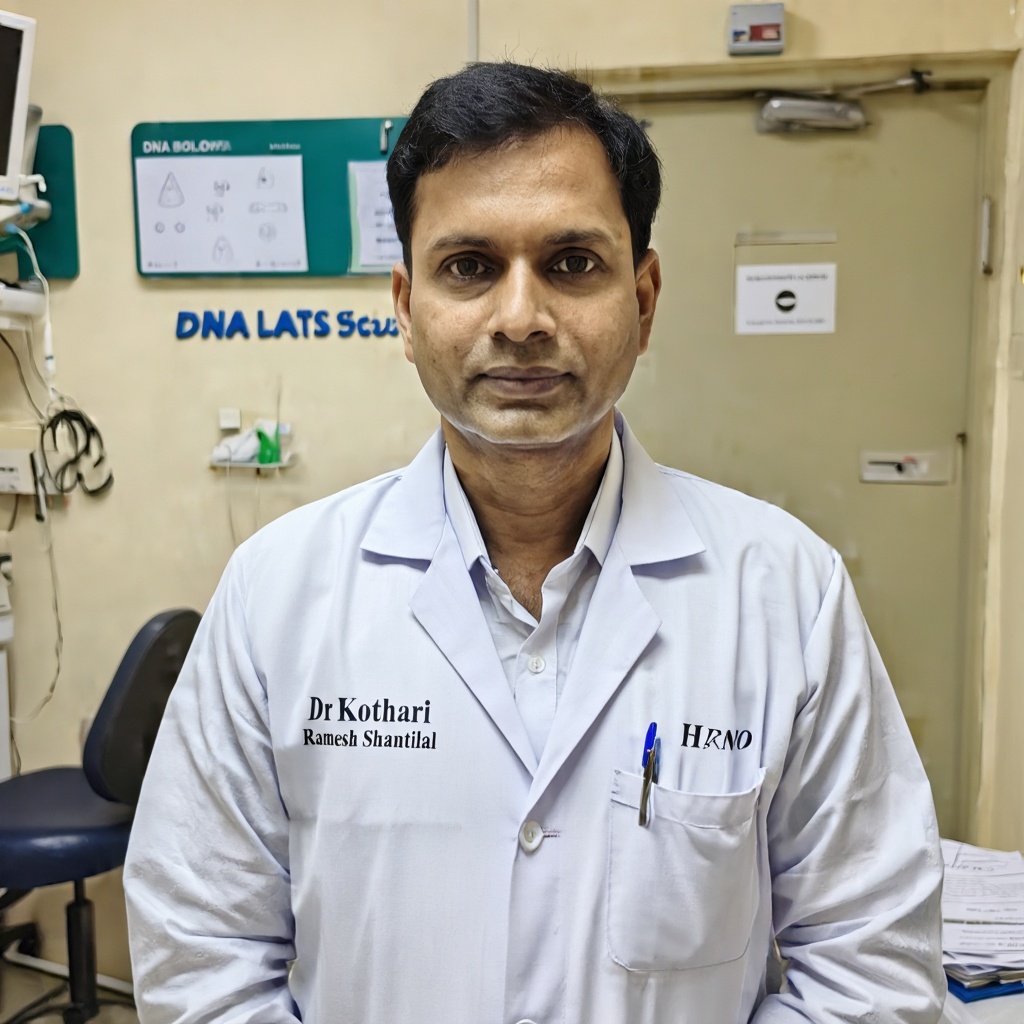
Dr Kothari Ramesh Shantilal
Consultant Microbiologist · Reg: 27670
Last reviewed: September 7, 2026
Overview
The primary purpose of RNA extraction from bacteria is to obtain pure, intact RNA for downstream molecular analysis. This is crucial for studying bacterial gene expression, identifying virulence factors, understanding antibiotic resistance mechanisms, and developing diagnostic assays. In clinical settings, bacterial RNA can be used to detect and quantify pathogens, monitor treatment response, and investigate infection dynamics. For researchers, it enables transcriptomic studies that reveal how bacteria respond to environmental stimuli or antimicrobial agents. By providing this service at no cost, DNA Labs India facilitates scientific advancement and supports clinicians in making informed decisions.
- Test Code
- 6410
- CPT Code
- Not Applicable
- ICD Code
- Not Applicable
- Sample Type
- Bacterial culture / Clinical specimen (e.g., blood, sputum, swab)
- Result Time
- Reports are typically delivered within 1 week after sample collection.
- Fasting Required
- No
- Method
- Phenol-chloroform extraction, Column-based RNA isolation, DNase treatment
Sample Collection
No special preparation is required. However, for clinical specimens, follow your physician's instructions. Ensure the sample is collected in a sterile container to avoid contamination.
Method: Venipuncture / Swab / Culture sample
Laboratory Analysis
Sample collection is performed by trained phlebotomists or technicians. For swabs, the area is gently swabbed. For blood, a standard venipuncture is performed. The procedure is quick and minimally invasive.
Report Delivery
The sample is immediately transported to the laboratory under cold conditions to preserve RNA integrity. No specific post-collection care is needed for the patient.
Timeline: Reports are typically delivered within 1 week after sample collection.
Patient Instructions
About This Test
Who Should Get This Test
The primary purpose of RNA extraction from bacteria is to obtain pure, intact RNA for downstream molecular analysis. This is crucial for studying bacterial gene expression, identifying virulence factors, understanding antibiotic resistance mechanisms, and developing diagnostic assays. In clinical settings, bacterial RNA can be used to detect and quantify pathogens, monitor treatment response, and investigate infection dynamics. For researchers, it enables transcriptomic studies that reveal how bacteria respond to environmental stimuli or antimicrobial agents. By providing this service at no cost, DNA Labs India facilitates scientific advancement and supports clinicians in making informed decisions.
How to Prepare
- Use sterile collection tubes or swabs
- Label the sample with patient ID and date
- Transport samples on ice or at 2-8°C within 2 hours
- Avoid repeated freeze-thaw cycles
- For culture samples, ensure viable bacteria are present
Doctor's Notes
Reviewed by Dr Kothari Ramesh Shantilal — MBBS, MD (Microbiology) · Reg. No. 27670
"RNA extraction from bacteria is a critical step in understanding bacterial gene expression and pathogenicity. This service supports both clinical diagnostics and research, enabling accurate detection of bacterial RNA for downstream applications."
Last medically reviewed: September 7, 2026
Test Parameters & Specifications
Sample Stability
- Sample received in non-sterile container
- Sample hemolyzed or clotted
- Insufficient sample volume
- Sample stored at room temperature for >4 hours
- Sample without proper labeling
Understanding Your Results
RNA is intact and suitable for sensitive applications like RNA-seq
Recommendation: Proceed with downstream analysis
RNA may be degraded; results may be unreliable
Recommendation: Consider re-collection or use of degraded RNA protocols
Possible protein contamination
Recommendation: Purify RNA further or re-extract
Possible phenol or chaotropic salt contamination
Recommendation: Reprecipitate RNA
If you are undergoing RNA extraction for diagnostic purposes, consult your physician to interpret the results in the context of your clinical condition. For research, consult your project supervisor.
Limitations
- ⚠RNA is highly susceptible to degradation; requires careful handling
- ⚠Results depend on sample quality and quantity
- ⚠Not a diagnostic test for bacterial infection; requires downstream analysis
- ⚠May not detect low-abundance RNA without amplification
Risks & Considerations
- ●Minimal risk of bruising or infection at the collection site
- ●Fainting or dizziness during blood draw (rare)
- ●No significant risks associated with swab collection
Interfering Factors
- ●RNase contamination from skin or environment
- ●Improper sample storage leading to RNA degradation
- ●Presence of inhibitors (e.g., ethanol, phenol) in the sample
- ●Incomplete cell lysis
- ●Co-purification of genomic DNA
Compare With Similar Tests
| Test | RNA Extraction from Bacteria | |||
|---|---|---|---|---|
| Comparison | RNA Extraction from Bacteria |
Frequently Asked Questions
What is RNA extraction from bacteria?
Why is RNA extraction important?
What is the cost of RNA extraction from bacteria at DNA Labs India?
What sample types are accepted?
Is fasting required before the test?
How long does it take to get results?
Is home sample collection available?
What is the turnaround time?
Can RNA extraction be used for COVID-19 testing?
What is the difference between DNA and RNA extraction?
Is the service available in my city?
What are the quality checks performed on extracted RNA?
Related Tests
Connexin 30 Mutation Detection Test
₹8,000COL4A3 Gene Alport syndrome, autosomal recessive NGS Genetic Test
₹20,000PLCB4 Gene Auriculocondylar syndrome type 2 NGS Genetic Test
₹20,000DIAPH3 Gene Auditory neuropathy, autosomal dominant NGS Genetic Test
₹20,000MYO7A Gene Deafness, autosomal dominant type 11 NGS Genetic Test
₹20,000POU4F3 Gene Deafness, autosomal dominant type 15 NGS Genetic Test
₹20,000Reference Laboratory Services
We serve as a reference laboratory for hospitals and clinics across India. Send samples from your facility with same-day pickup, priority processing, and results delivered through our online portal. Competitive institutional pricing available.
Your Data Privacy
Your medical data is protected under Indian law.
✓ Stored in India: All patient records are stored on servers located in India. No data is transferred outside the country.
✓ DPDP Act Compliant: Under the Digital Personal Data Protection Act 2023, you can request deletion of your records at any time by contacting support.
Book Your Test
Enter your details and we'll connect you within 15 minutes.