
SLC35D1 Gene Schneckenbecken dysplasia NGS Genetic Test
Short Name: SLC35D1 Gene Test
Also known as: Schneckenbecken dysplasia, SLC35D1-related dysplasia, Snail-like pelvis dysplasia
SLC35D1 Gene Schneckenbecken dysplasia NGS Genetic Test test available at DNA Labs India for ₹20,000. Uses NGS (Next-Generation Sequencing) on Blood or Extracted DNA or One drop Blood on FTA Card samples. Results in 3 to 4 Weeks. Free home collection in 300+ cities across India.

🩺 Medically Reviewed By
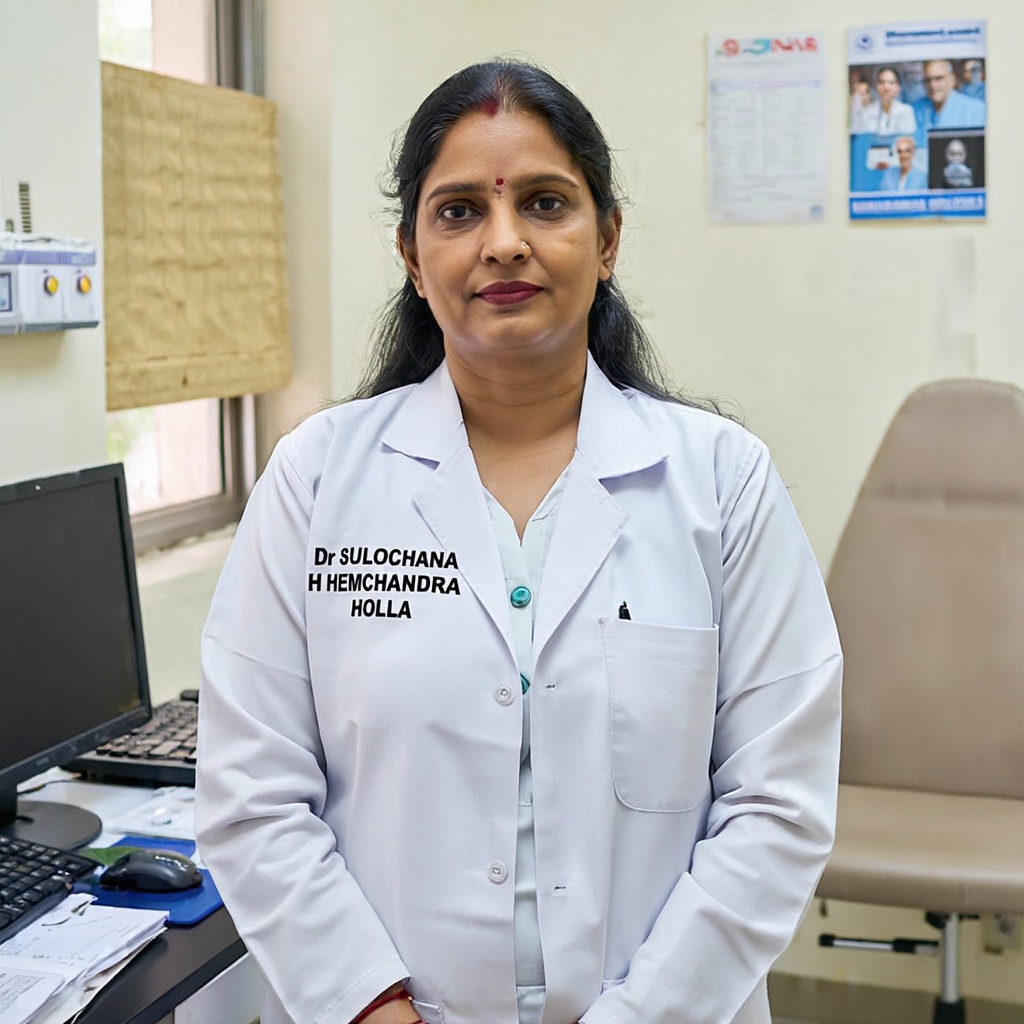
Dr SULOCHANA HEMCHANDRA HOLLA
Consultant Medical Geneticist · Reg: 8532
Last reviewed: September 7, 2026
Overview
The purpose of the SLC35D1 Gene Schneckenbecken Dysplasia NGS Genetic Test is to confirm a diagnosis of Schneckenbecken dysplasia by detecting mutations in the SLC35D1 gene. This helps in differentiating it from other skeletal dysplasias, guiding treatment decisions, and facilitating genetic counseling for affected individuals and their families.
- Test Code
- 2803
- Price
- ₹20,000
- Sample Type
- Blood or Extracted DNA or One drop Blood on FTA Card
- Result Time
- 3 to 4 Weeks
- Fasting Required
- No
- Method
- NGS (Next-Generation Sequencing)
Sample Collection
No specific preparation required. Provide clinical history and family pedigree information during genetic counseling.
Method: Blood draw or FTA card collection
Laboratory Analysis
A blood sample will be drawn by a trained phlebotomist, or a drop of blood can be collected on an FTA card for DNA extraction.
Report Delivery
Apply pressure to the puncture site to prevent bruising. Resume normal activities immediately.
Timeline: 3 to 4 Weeks
Patient Instructions
About This Test
Who Should Get This Test
The purpose of the SLC35D1 Gene Schneckenbecken Dysplasia NGS Genetic Test is to confirm a diagnosis of Schneckenbecken dysplasia by detecting mutations in the SLC35D1 gene. This helps in differentiating it from other skeletal dysplasias, guiding treatment decisions, and facilitating genetic counseling for affected individuals and their families.
How to Prepare
- Ensure proper identification and labeling of samples
- Use sterile equipment for blood collection
- Store samples at ambient temperature if using FTA cards
- Transport samples to the lab within the recommended timeframe
Doctor's Notes
Reviewed by Dr SULOCHANA HEMCHANDRA HOLLA — MBBS, MD (Medical Genetics) · Reg. No. 8532
"Early genetic testing for Schneckenbecken dysplasia can aid in timely diagnosis, management, and family planning, especially for at-risk pregnancies."
Last medically reviewed: September 7, 2026
Test Parameters & Specifications
Sample Stability
- Hemolyzed or clotted blood samples
- Insufficient sample volume
- Improperly labeled or contaminated samples
- Samples without accompanying clinical information
Understanding Your Results
Pathogenic variant detected in SLC35D1 gene, consistent with Schneckenbecken dysplasia. Genetic counseling and clinical management recommended.
Result type: Positive
No pathogenic variants detected. Consider clinical correlation and further testing if symptoms persist.
Result type: Negative
Genetic variant identified but clinical significance unknown. Repeat testing or family studies may be advised.
Result type: Variant of Uncertain Significance (VUS)
Consult a doctor or genetic counselor if you experience symptoms of Schneckenbecken dysplasia, have a family history of the condition, or receive a positive or uncertain test result for guidance on management and family planning.
Limitations
- ⚠May not detect all genetic variants or mosaicism
- ⚠Results require interpretation by a genetic counselor or specialist
- ⚠Does not assess for other genetic conditions unless specified
- ⚠Psychological impact of results; counseling recommended
Risks & Considerations
- ●Minimal physical risks from blood draw, such as bruising or infection
- ●Psychological stress from test results
- ●Potential for incidental findings unrelated to the condition
Interfering Factors
- ●Poor sample quality or insufficient DNA
- ●Contamination during sample collection or processing
- ●Recent blood transfusions may affect DNA analysis
- ●Technical limitations in detecting all mutation types
Compare With Similar Tests
| Test | SLC35D1 Gene Schneckenbecken dysplasia NGS Genetic Test | Whole Exome Sequencing | Targeted Gene Panel for Skeletal Dysplasias | Chromosomal Microarray | Sanger Sequencing |
|---|---|---|---|---|---|
| Comparison | SLC35D1 Gene Schneckenbecken dysplasia NGS Genetic Test | Broader analysis of all genes, but more expensive and time-consuming. | Tests multiple genes related to bone disorders, may include SLC35D1. | Detects chromosomal abnormalities, not specific gene mutations. | Traditional method for single-gene analysis, less comprehensive than NGS. |
Frequently Asked Questions
What is Schneckenbecken dysplasia?
Who should consider this genetic test?
How is the test performed?
What is the cost of the test?
How long does it take to get results?
Is fasting required before the test?
What sample types are accepted?
Can the test be done at home?
What do the results mean?
Is genetic counseling provided?
What files are provided with the report?
Are there any risks associated with the test?
Related Tests
Amino Acids Qualitative Two Dimensional Urine Test
₹1,439Succinylacetone Urine Test
₹5,000RXFP2 Gene Cryptorchidism NGS Genetic Test
₹20,000EFNB1 Gene Craniofrontonasal syndrome NGS Genetic Test
₹20,000MNX1 Gene Currarino syndrome NGS Genetic Test
₹20,000FGFR1 Gene Craniosynostosis, FGFR1 related NGS Genetic Test
₹20,000Reference Laboratory Services
We serve as a reference laboratory for hospitals and clinics across India. Send samples from your facility with same-day pickup, priority processing, and results delivered through our online portal. Competitive institutional pricing available.
Your Data Privacy
Your medical data is protected under Indian law.
✓ Stored in India: All patient records are stored on servers located in India. No data is transferred outside the country.
✓ DPDP Act Compliant: Under the Digital Personal Data Protection Act 2023, you can request deletion of your records at any time by contacting support.
Book Your Test
Enter your details and we'll connect you within 15 minutes.