
SLC39A13 Gene Spondylocheirodysplasia, Ehlers-Danlos syndrome-like NGS Genetic Test
Short Name: SLC39A13 Gene NGS Test
Also known as: SCD-EDS-like, Spondylocheirodysplasia with Ehlers-Danlos features
SLC39A13 Gene Spondylocheirodysplasia, Ehlers-Danlos syndrome-like NGS Genetic Test test available at DNA Labs India for ₹20,000. Uses NGS Technology on Blood or Extracted DNA or One drop Blood on FTA Card samples. Results in 3 to 4 weeks. Free home collection in 300+ cities across India.

🩺 Medically Reviewed By
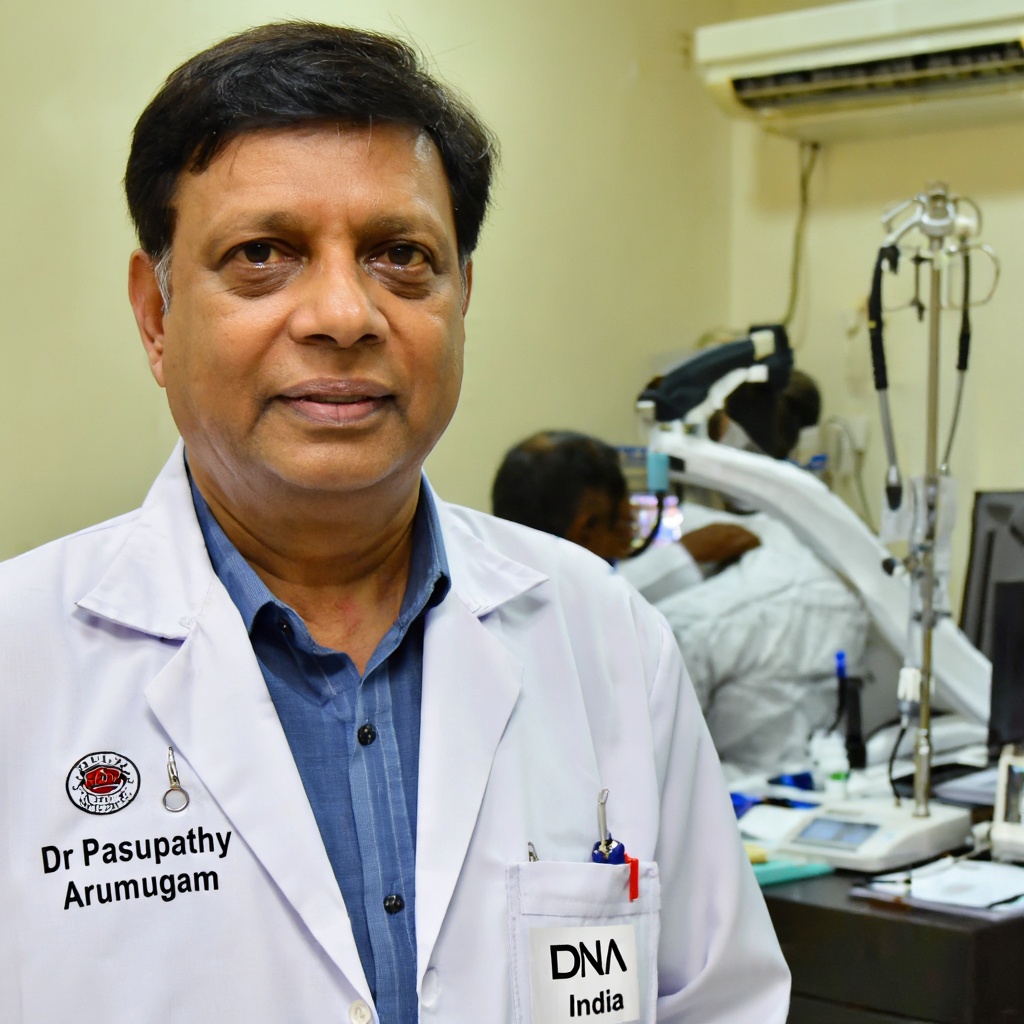
Dr Pasupathy Arumugam
Consultant Pathologist · Reg: 21521
Last reviewed: September 7, 2026
Overview
To identify mutations in the SLC39A13 gene associated with Spondylocheirodysplasia and Ehlers-Danlos Syndrome-like conditions for accurate diagnosis and management.
- Test Code
- 2484
- Price
- ₹20,000
- Sample Type
- Blood or Extracted DNA or One drop Blood on FTA Card
- Result Time
- 3 to 4 weeks
- Fasting Required
- No
- Method
- NGS Technology
Sample Collection
Provide detailed clinical history and family pedigree. No specific preparation such as fasting is required for this test.
Method: Venipuncture
Laboratory Analysis
A trained phlebotomist will collect a blood sample via venipuncture. For extracted DNA or FTA card samples, follow lab instructions.
Report Delivery
Apply pressure to the puncture site to prevent bruising. Resume normal activities immediately after sample collection.
Timeline: 3 to 4 weeks
Patient Instructions
About This Test
Who Should Get This Test
To identify mutations in the SLC39A13 gene associated with Spondylocheirodysplasia and Ehlers-Danlos Syndrome-like conditions for accurate diagnosis and management.
How to Prepare
- Bring a valid identification and doctor's prescription if available
- Inform the collection staff about any medications or health conditions
- Ensure the sample is properly labeled and transported to the lab promptly
Doctor's Notes
Reviewed by Dr Pasupathy Arumugam — MBBS, MD (Pathology) · Reg. No. 21521
"Genetic testing for SLC39A13 mutations is essential for diagnosing rare connective tissue disorders, enabling personalized management and genetic counseling."
Last medically reviewed: September 7, 2026
Test Parameters & Specifications
Sample Stability
- Hemolyzed, lipemic, or clotted blood samples
- Insufficient sample volume for analysis
- Incorrect sample type or improperly labeled samples
Understanding Your Results
Consult a geneticist or specialist if symptoms persist, worsen, or if there is a family history of connective tissue disorders. Genetic counseling is recommended after receiving test results.
Limitations
- ⚠May not detect all types of genetic mutations, such as large deletions or duplications
- ⚠Requires clinical correlation for accurate diagnosis
- ⚠Genetic counseling is recommended to interpret results and discuss implications
- ⚠Results may include variants of uncertain significance requiring further evaluation
Risks & Considerations
- ●Minimal risk from blood draw, such as bruising, swelling, or infection at the puncture site
- ●Psychological impact of genetic results, including anxiety or stress
- ●Potential for incidental findings unrelated to the primary condition
Interfering Factors
- ●Sample contamination during collection or processing
- ●Degraded DNA due to improper storage or handling
- ●Hemolyzed or lipemic blood samples affecting analysis
Compare With Similar Tests
| Test | SLC39A13 Gene Spondylocheirodysplasia, Ehlers-Danlos syndrome-like NGS Genetic Test | COL5A1 Gene Test for Ehlers-Danlos Syndrome | COL3A1 Gene Test for Vascular Ehlers-Danlos Syndrome | FBN1 Gene Test for Marfan Syndrome | Connective Tissue Disorder Genetic Panel |
|---|---|---|---|---|---|
| Comparison | SLC39A13 Gene Spondylocheirodysplasia, Ehlers-Danlos syndrome-like NGS Genetic Test | Focuses on classical Ehlers-Danlos Syndrome, while SLC39A13 test targets spondylocheirodysplasia and EDS-like conditions. | Diagnoses vascular EDS, which has different clinical features and risks compared to SLC39A13-related disorders. | Identifies Marfan syndrome, a connective tissue disorder with distinct skeletal and cardiovascular manifestations. | A broader panel testing multiple genes, whereas SLC39A13 test is specific to one gene. |
Frequently Asked Questions
What is the SLC39A13 Gene Test?
What conditions does this test diagnose?
How is the test performed?
What is the cost of the test?
Is home sample collection available?
How long does it take to get results?
What do the results mean?
Is genetic counseling required?
Are there any risks associated with the test?
Can this test be used for prenatal diagnosis?
What is the accuracy of the test?
How should I prepare for the test?
Related Tests
Reference Laboratory Services
We serve as a reference laboratory for hospitals and clinics across India. Send samples from your facility with same-day pickup, priority processing, and results delivered through our online portal. Competitive institutional pricing available.
Your Data Privacy
Your medical data is protected under Indian law.
✓ Stored in India: All patient records are stored on servers located in India. No data is transferred outside the country.
✓ DPDP Act Compliant: Under the Digital Personal Data Protection Act 2023, you can request deletion of your records at any time by contacting support.
Book Your Test
Enter your details and we'll connect you within 15 minutes.