
SUMO1 Gene Orofacial cleft type 10 NGS Genetic Test
Short Name: SUMO1 Orofacial Cleft NGS
Also known as: SUMO1 gene mutation test, Orofacial cleft type 10 genetic test, SUMO1 sequencing
SUMO1 Gene Orofacial cleft type 10 NGS Genetic Test test available at DNA Labs India for ₹20,000. Uses Next Generation Sequencing (NGS) on Blood or Extracted DNA or One drop Blood on FTA Card samples. Results in Reports are delivered within 3 to 4 weeks from sample receipt. Urgent processing may be available on request.. Free home collection in 300+ cities across India.

🩺 Medically Reviewed By
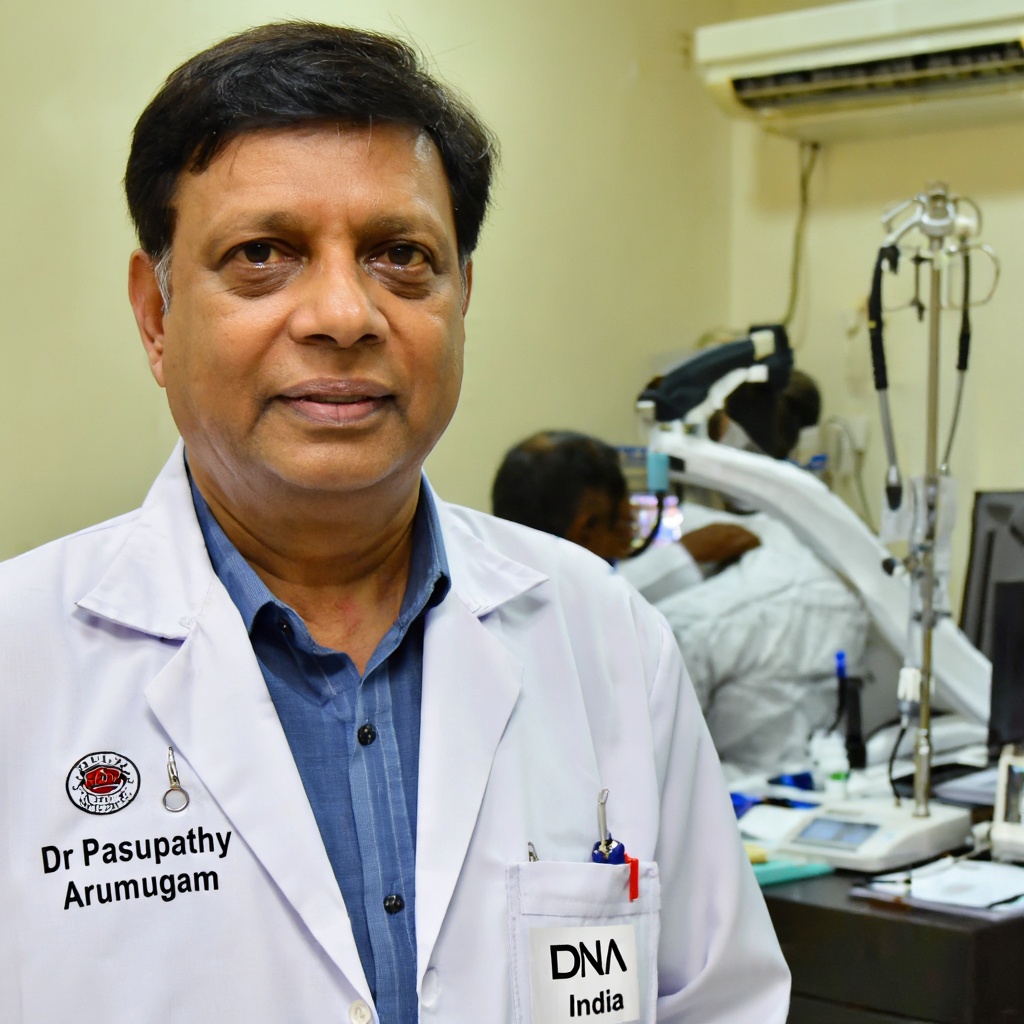
Dr Pasupathy Arumugam
Consultant Pathologist · Reg: 21521
Last reviewed: September 7, 2026
Overview
The primary purpose of this test is to identify mutations in the SUMO1 gene that cause orofacial cleft type 10. It aids in confirming a clinical diagnosis, differentiating from other cleft syndromes, assessing recurrence risk in families, and guiding reproductive decisions. The test also helps in understanding the genetic etiology, which can be valuable for research and personalized management.
- Test Code
- 5880
- CPT Code
- 81408
- ICD Code
- Q35-Q37
- Price
- ₹20,000
- Sample Type
- Blood or Extracted DNA or One drop Blood on FTA Card
- Result Time
- Reports are delivered within 3 to 4 weeks from sample receipt. Urgent processing may be available on request.
- Fasting Required
- No
- Method
- Next Generation Sequencing (NGS)
Sample Collection
No special preparation is required. However, a clinical history and genetic counseling session is recommended before testing to draw a pedigree chart and discuss implications.
Method: Venipuncture or Fingerstick
Laboratory Analysis
Blood sample is collected by a trained phlebotomist using sterile technique. For FTA card, a few drops of blood are placed on the card and allowed to dry.
Report Delivery
No restrictions. The sample is transported to the laboratory at ambient temperature. Results are typically available in 3-4 weeks.
Timeline: Reports are delivered within 3 to 4 weeks from sample receipt. Urgent processing may be available on request.
Patient Instructions
About This Test
Who Should Get This Test
The primary purpose of this test is to identify mutations in the SUMO1 gene that cause orofacial cleft type 10. It aids in confirming a clinical diagnosis, differentiating from other cleft syndromes, assessing recurrence risk in families, and guiding reproductive decisions. The test also helps in understanding the genetic etiology, which can be valuable for research and personalized management.
How to Prepare
- Ensure the patient's identity is verified with two identifiers.
- Use EDTA vacutainer for blood collection; mix gently to prevent clotting.
- For FTA card, apply blood drops to the designated circles and air dry completely.
- Label the sample with patient name, date, and unique ID.
- Transport samples at room temperature; avoid extreme heat or freezing.
Doctor's Notes
Reviewed by Dr Pasupathy Arumugam — MBBS, MD (Pathology) · Reg. No. 21521
"Genetic testing for SUMO1 mutations is crucial for accurate diagnosis and family planning. Early detection can significantly improve management and outcomes."
Last medically reviewed: September 7, 2026
Test Parameters & Specifications
Sample Stability
- Hemolyzed or clotted blood sample
- Insufficient sample volume
- Improper labeling or missing requisition form
- Sample received after prolonged transit (>7 days) without proper storage
Understanding Your Results
Pathogenic variant detected
Confirms diagnosis of orofacial cleft type 10. Autosomal dominant inheritance; 50% risk to offspring. Multidisciplinary management recommended.
Likely pathogenic variant detected
Highly suggestive of disease; further family studies may be needed to confirm.
Variant of uncertain significance (VUS)
Cannot determine clinical significance; additional testing or family segregation analysis may be helpful.
No pathogenic variant detected
Does not rule out genetic cause; other genes or non-genetic factors may be involved.
Consult a clinical geneticist or pediatrician if your child has a cleft lip/palate, if there is a family history of clefts, or if you have concerns about recurrence risk. Genetic counseling is essential before and after testing.
Limitations
- ⚠This test only analyzes the SUMO1 gene; other genetic causes of orofacial clefts may not be detected.
- ⚠NGS may not detect large deletions/duplications or deep intronic variants; additional testing may be required.
- ⚠Variants of uncertain significance (VUS) may be reported; further family studies may be needed.
- ⚠Test does not assess environmental or non-genetic factors contributing to clefting.
Risks & Considerations
- ●Minimal risk of bruising or infection at the blood draw site
- ●Psychological impact of receiving genetic results
- ●Potential for finding variants of uncertain significance
- ●Insurance or employment discrimination concerns (though rare)
Interfering Factors
- ●Poor DNA quality or quantity
- ●Contamination during sample collection
- ●Recent blood transfusion (within 2 weeks) may dilute DNA
- ●Bone marrow transplantation can affect results
- ●Presence of maternal cell contamination in prenatal samples
Compare With Similar Tests
| Test | SUMO1 Gene Orofacial cleft type 10 NGS Genetic Test | Chromosomal Microarray (CMA) | Whole Exome Sequencing (WES) | Targeted Panel for Clefting |
|---|---|---|---|---|
| Comparison | SUMO1 Gene Orofacial cleft type 10 NGS Genetic Test |
Frequently Asked Questions
What is the SUMO1 gene and how is it related to orofacial clefts?
What are the symptoms of orofacial cleft type 10?
How is the SUMO1 gene test performed?
Is fasting required before the test?
How long does it take to get the results?
What is the cost of the test?
Will I receive raw data files?
Can this test be done on children?
What does a negative result mean?
What is a variant of uncertain significance (VUS)?
Is genetic counseling recommended?
In which cities is home sample collection available?
Related Tests
MSX2 Gene Craniosynostosis type 2 NGS Genetic Test
₹20,000EVC2 Gene Ellis-van Creveld syndrome NGS Genetic Test
₹20,000FGFR2 Gene Saethre-Chotzen syndrome NGS Genetic Test
₹20,000TSPYL1 Gene Sudden infant death with dysgenesis of the testes syndrome NGS Genetic Test
₹20,000ATRX Gene Alpha-thalassemia/mental retardation syndrome NGS Genetic Test
₹20,000PTH1R Gene Chondrodysplasia, Blomstrand type NGS Genetic Test
₹20,000Reference Laboratory Services
We serve as a reference laboratory for hospitals and clinics across India. Send samples from your facility with same-day pickup, priority processing, and results delivered through our online portal. Competitive institutional pricing available.
Your Data Privacy
Your medical data is protected under Indian law.
✓ Stored in India: All patient records are stored on servers located in India. No data is transferred outside the country.
✓ DPDP Act Compliant: Under the Digital Personal Data Protection Act 2023, you can request deletion of your records at any time by contacting support.
Book Your Test
Enter your details and we'll connect you within 15 minutes.