
WS1 Full Gene Sequence Analysis (Wolfram Syndrome, DIDMOAD) Test
Short Name: WS1 Gene Sequence Analysis
Also known as: WFS1 Gene Full Sequence Analysis, DIDMOAD Genetic Test, Wolfram Syndrome Genetic Test, WFS1 Mutation Analysis, Wolfram Type 1 Gene Sequencing
WS1 Full Gene Sequence Analysis (Wolfram Syndrome, DIDMOAD) Test test available at DNA Labs India for ₹36,000. Uses Next-Generation Sequencing (NGS), Sanger Confirmation, Bioinformatics Analysis on Peripheral Blood / Amniotic Fluid / Chorionic Villi / Cord Blood samples. Results in Results are typically available within 4-6 weeks from the date of sample collection. Reports are delivered digitally via the online portal, email, or WhatsApp.. Free home collection in 300+ cities across India.

🩺 Medically Reviewed By
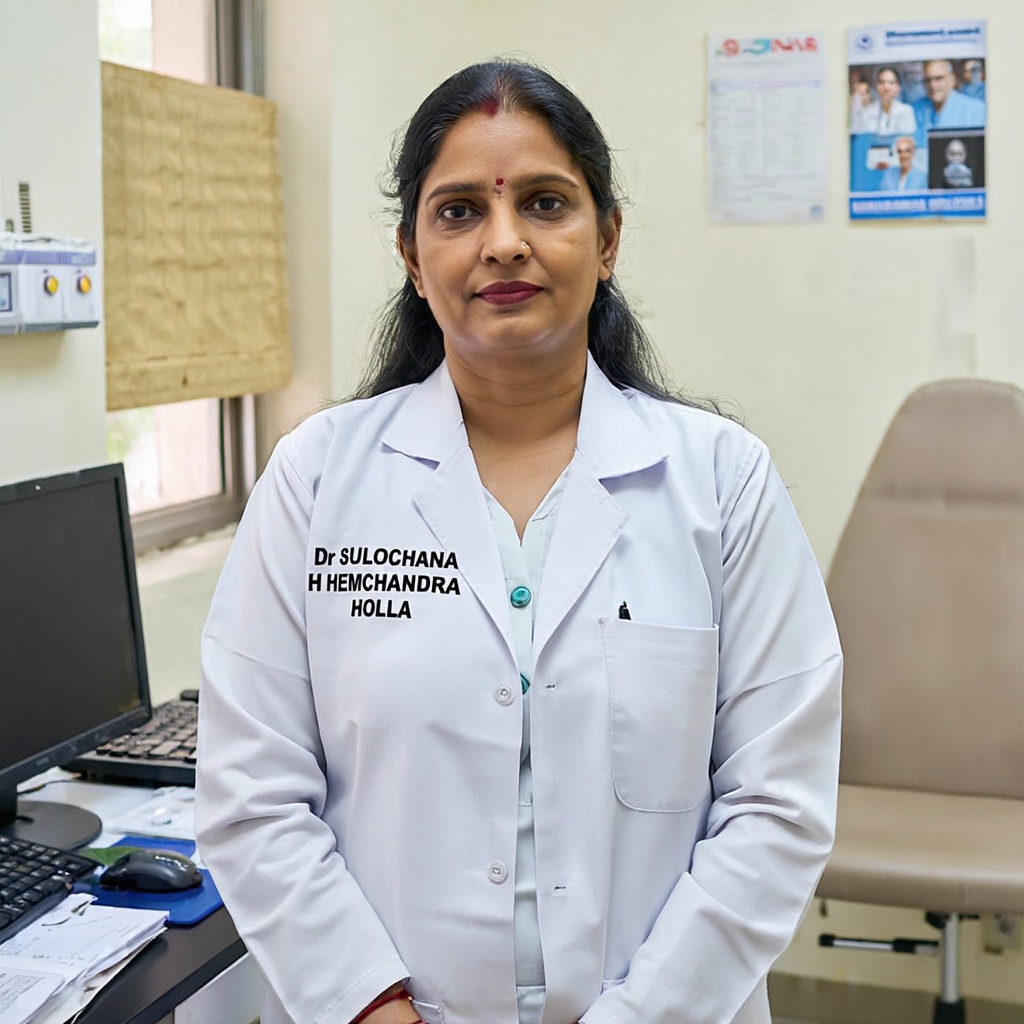
Dr SULOCHANA HEMCHANDRA HOLLA
Consultant Medical Geneticist · Reg: 8532
Last reviewed: September 7, 2026
Overview
The primary purpose of WS1 Full Gene Sequence Analysis is to confirm or rule out a clinical diagnosis of Wolfram Syndrome (DIDMOAD) by identifying pathogenic or likely pathogenic mutations in the WFS1 gene. This test is essential for differential diagnosis in patients presenting with early-onset diabetes mellitus accompanied by optic atrophy or other features suggestive of Wolfram Syndrome. It aids in distinguishing Wolfram Syndrome from Type 1 Diabetes Mellitus and other genetic syndromes with overlapping features. The test also enables carrier testing for family members, supports genetic counseling regarding recurrence risks, and facilitates informed family planning decisions. In prenatal settings, it can be used for at-risk pregnancies when familial mutations are known.
- Test Code
- 3242
- CPT Code
- 81405
- ICD Code
- Q87.89
- Price
- ₹36,000
- Sample Type
- Peripheral Blood / Amniotic Fluid / Chorionic Villi / Cord Blood
- Result Time
- Results are typically available within 4-6 weeks from the date of sample collection. Reports are delivered digitally via the online portal, email, or WhatsApp.
- Fasting Required
- No
- Method
- Next-Generation Sequencing (NGS), Sanger Confirmation, Bioinformatics Analysis
Sample Collection
No special preparation such as fasting is required. A doctor's prescription is recommended. Prescription is not applicable for surgery and pregnancy cases or people planning to travel abroad. Bring a valid government-issued photo ID and the doctor's prescription (if available) at the time of sample collection.
Method: Venipuncture
Laboratory Analysis
A trained phlebotomist will collect a peripheral blood sample (3-5 ml) via venipuncture into an EDTA vacutainer. For prenatal samples, amniotic fluid or chorionic villi will be collected by the referring obstetrician under sterile conditions. The collection process typically takes 5-10 minutes.
Report Delivery
Apply gentle pressure on the puncture site with a cotton ball for 3-5 minutes. Avoid heavy lifting with the collection arm for the rest of the day. The sample will be transported to the laboratory under appropriate cold chain conditions for DNA extraction and sequencing.
Timeline: Results are typically available within 4-6 weeks from the date of sample collection. Reports are delivered digitally via the online portal, email, or WhatsApp.
Patient Instructions
About This Test
Who Should Get This Test
The primary purpose of WS1 Full Gene Sequence Analysis is to confirm or rule out a clinical diagnosis of Wolfram Syndrome (DIDMOAD) by identifying pathogenic or likely pathogenic mutations in the WFS1 gene. This test is essential for differential diagnosis in patients presenting with early-onset diabetes mellitus accompanied by optic atrophy or other features suggestive of Wolfram Syndrome. It aids in distinguishing Wolfram Syndrome from Type 1 Diabetes Mellitus and other genetic syndromes with overlapping features. The test also enables carrier testing for family members, supports genetic counseling regarding recurrence risks, and facilitates informed family planning decisions. In prenatal settings, it can be used for at-risk pregnancies when familial mutations are known.
How to Prepare
- Ensure the sample is collected in an EDTA vacutainer (2ml minimum)
- Label the sample correctly with patient name, date of birth, and unique ID
- Do not freeze the blood sample; maintain at room temperature or with a cool pack
- Transport the sample to the laboratory within 48 hours of collection
- For prenatal samples, use sterile containers with sterile normal saline as applicable
- Ensure the requisition form is completed with clinical details and family history
Doctor's Notes
Reviewed by Dr SULOCHANA HEMCHANDRA HOLLA — MBBS, MD (Medical Genetics) · Reg. No. 8532
"Wolfram Syndrome often presents initially with early-onset diabetes mellitus, which may be misdiagnosed as Type 1 Diabetes. When a child diagnosed with diabetes develops progressive visual impairment or other atypical features, genetic testing for WFS1 mutations should be considered. Early molecular confirmation allows for proactive screening of associated complications including diabetes insipidus, hearing loss, and urological abnormalities, enabling timely multidisciplinary intervention."
Last medically reviewed: September 7, 2026
Test Parameters & Specifications
Sample Stability
- Hemolyzed or clotted samples
- Samples collected in incorrect anticoagulant (e.g., heparin instead of EDTA)
- Insufficient sample volume (less than 2ml)
- Unlabeled or mislabeled samples
- Samples received beyond stability window
- Leaking or damaged containers
Understanding Your Results
No Pathogenic Variants Detected
No disease-causing mutations were identified in the WFS1 gene. This result reduces the likelihood of Wolfram Syndrome Type 1 but does not completely exclude it, as mutations in other genes or undetectable rearrangements may be responsible. Clinical correlation and further evaluation may be warranted.
Pathogenic or Likely Pathogenic Variants (Homozygous/Compound Heterozygous)
Two pathogenic or likely pathogenic variants were identified in the WFS1 gene in a homozygous or compound heterozygous state, consistent with a molecular diagnosis of Wolfram Syndrome Type 1. This confirms the autosomal recessive inheritance pattern. Genetic counseling and family screening are recommended.
Pathogenic or Likely Pathogenic Variant (Heterozygous - Single)
A single pathogenic or likely pathogenic variant was detected in the WFS1 gene. The individual is a carrier of Wolfram Syndrome Type 1. Carrier testing of the partner is recommended for family planning purposes. Clinical features, if present, may warrant further investigation.
Variant of Uncertain Significance (VUS)
A variant of uncertain significance was identified in the WFS1 gene. Current evidence is insufficient to classify this variant as pathogenic or benign. Clinical correlation, family studies, and periodic re-evaluation as new data become available are recommended.
Consult your healthcare provider or genetic counselor if you or your child has been diagnosed with early-onset diabetes mellitus and is experiencing progressive vision loss, hearing difficulties, excessive thirst and urination (signs of diabetes insipidus), or bladder dysfunction. A doctor's referral is recommended for this test. Consult immediately if there is a known family history of Wolfram Syndrome or if you are planning a pregnancy and are a known carrier of WFS1 mutations.
Limitations
- ⚠This test analyzes only the WFS1 gene and does not detect mutations in other genes associated with Wolfram-like syndromes (e.g., WFS2/CISD2 gene)
- ⚠Deep intronic mutations, large genomic rearrangements, and regulatory region variants may not be fully detected by standard sequencing
- ⚠A negative result does not completely exclude Wolfram Syndrome if caused by mutations in genes other than WFS1
- ⚠Variants of uncertain significance (VUS) may be identified and may require further evaluation
- ⚠Mosaicism at low levels may not be reliably detected
Risks & Considerations
- ●Minor bruising or discomfort at the blood draw site
- ●Rare risk of infection at the puncture site
- ●Psychological impact of receiving genetic test results
- ●Risk of identifying variants of uncertain significance that may cause anxiety
- ●Potential implications for family members who may be carriers
Interfering Factors
- ●Hemolyzed blood samples may affect DNA extraction quality
- ●Clotted samples in EDTA tubes are not suitable for testing
- ●Recent blood transfusion within the past 4 weeks may affect results
- ●Insufficient sample volume may delay or prevent testing
- ●Contamination during sample collection or transport
Compare With Similar Tests
| Test | WS1 Full Gene Sequence Analysis (Wolfram Syndrome, DIDMOAD) | WFS1 Targeted Mutation Analysis | Whole Exome Sequencing (WES) | Wolfram Syndrome Gene Panel |
|---|---|---|---|---|
| Comparison | WS1 Full Gene Sequence Analysis (Wolfram Syndrome, DIDMOAD) | WS1 Full Gene Sequence Analysis examines the entire WFS1 gene, whereas targeted mutation analysis screens only for known familial or common mutations. Full sequencing is recommended when the specific mutation is unknown. | WES analyzes all protein-coding genes across the genome. WS1 Full Gene Sequence Analysis focuses specifically on the WFS1 gene with deeper coverage, making it more suitable when Wolfram Syndrome is clinically suspected. | A gene panel may include WFS1 along with other genes (e.g., CISD2 for Wolfram Syndrome Type 2). WS1 Full Gene Sequence Analysis provides focused, in-depth analysis of the WFS1 gene specifically. |
Frequently Asked Questions
What is Wolfram Syndrome (DIDMOAD)?
What is the WFS1 gene and what does it do?
Who should get the WS1 Full Gene Sequence Analysis test?
How is the WS1 Full Gene Sequence Analysis test performed?
What sample is required for this test?
How long does it take to get the results?
What does a positive result mean?
What does a negative result mean?
Is genetic counseling recommended before and after this test?
Can this test be performed during pregnancy?
Is the WS1 Full Gene Sequence Analysis test covered by insurance?
What is the cost of WS1 Full Gene Sequence Analysis in India?
Related Tests
KIAA0586 Gene Joubert syndrome type 23 NGS Genetic Test
₹20,000CAT Gene Acatalasemia NGS Genetic Test
₹20,000BLM Gene Bloom syndrome NGS Genetic Test
₹20,000FANCC Gene Fanconi anemia type C NGS Genetic Test
₹20,000TPI1 Gene Triosephosphate isomerase deficiency NGS Genetic Test
₹20,000PTPN23 Gene Ciliogenesis related disorder NGS Genetic Test
₹20,000Reference Laboratory Services
We serve as a reference laboratory for hospitals and clinics across India. Send samples from your facility with same-day pickup, priority processing, and results delivered through our online portal. Competitive institutional pricing available.
Your Data Privacy
Your medical data is protected under Indian law.
✓ Stored in India: All patient records are stored on servers located in India. No data is transferred outside the country.
✓ DPDP Act Compliant: Under the Digital Personal Data Protection Act 2023, you can request deletion of your records at any time by contacting support.
Book Your Test
Enter your details and we'll connect you within 15 minutes.