

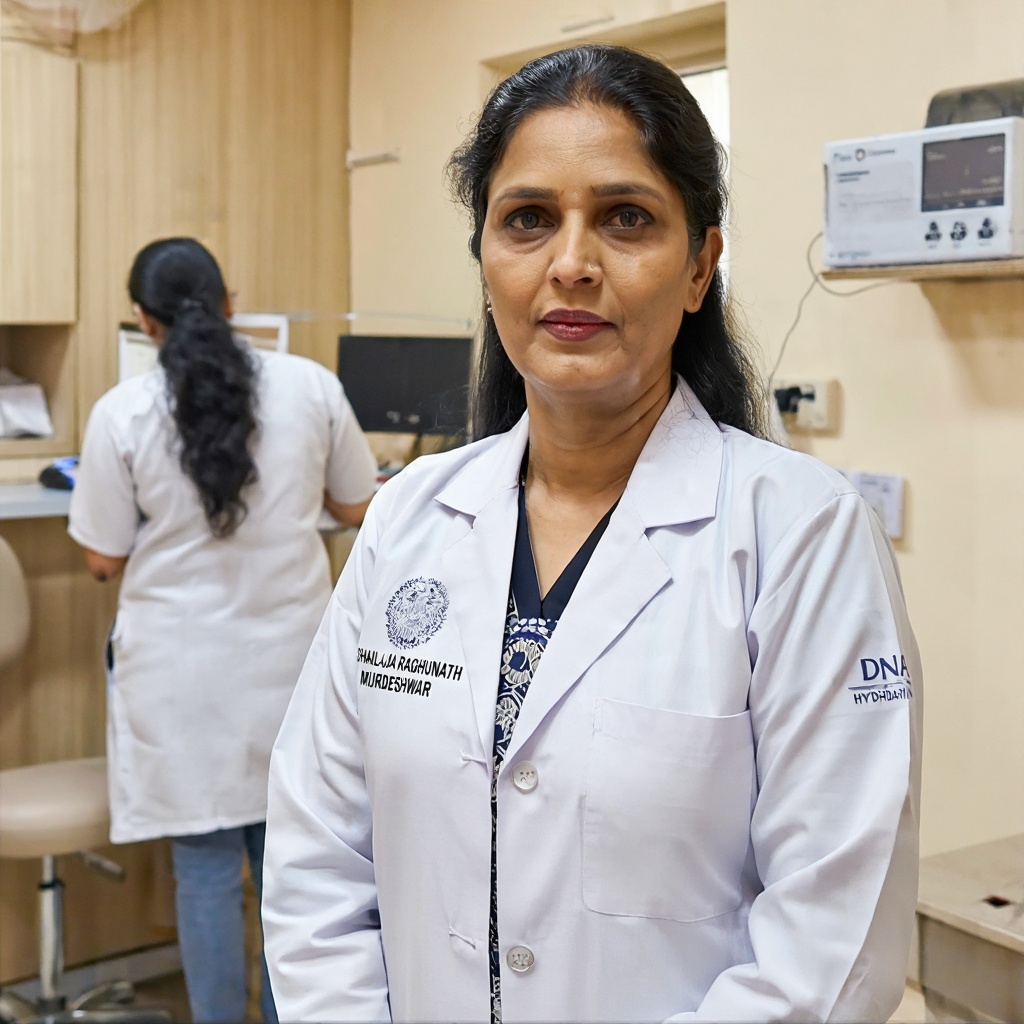

Breast Cancer Symptoms in India: Early Detection and Genetic Risk Assessment
At a Glance: BRCA1/BRCA2 Genetic Testing
- Sample Required: Blood or saliva
- Fasting Rules: Not required
- Turnaround Time (TAT): 10-14 days
- Base Cost: [Insert Current 2026 Price]
Breast cancer remains the most common cancer among women in India, with a significant number of cases diagnosed at advanced stages. However, early detection dramatically improves treatment outcomes. This guide provides a clinical overview of breast cancer symptoms, emphasizes the importance of self-awareness, and introduces genetic testing options for hereditary risk assessment.
Clinical Presentation of Breast Cancer
Breast tissue undergoes natural changes due to hormonal fluctuations, but certain alterations warrant professional evaluation. The following signs and symptoms should be monitored:
- Palpable Lump: A new, firm, painless lump with irregular borders is a classic warning sign. While most lumps are benign, any new mass should be assessed by a physician.
- Changes in Breast Shape or Size: Unexplained asymmetry, dimpling, or puckering of the skin may indicate underlying pathology.
- Nipple Abnormalities: Inversion (retraction), spontaneous discharge (especially blood-stained), or scaling of the nipple are concerning findings.
- Skin Changes: Redness, thickening, or an orange-peel texture (peau d'orange) over the breast skin can signal inflammatory breast cancer.
- Localized Pain: Persistent or escalating pain in a specific area, though not always present, should not be ignored.
When to Seek Medical Evaluation
Early consultation is critical. The following table outlines symptoms and the recommended action:
| Symptom | Red Flag | Recommended Action |
|---|---|---|
| New lump | Firm, painless, irregular borders | Clinical breast exam and imaging (mammogram/ultrasound) |
| Skin dimpling | Peau d'orange or persistent redness | Urgent referral to a breast specialist |
| Nipple discharge | Blood-stained or spontaneous | Cytology and imaging |
| Persistent pain | Localized, not cyclical | Clinical evaluation |
Early Detection and Screening
Regular self-examination and clinical screenings are foundational. Women should perform monthly breast self-exams, ideally one week after menstruation. Clinical breast exams and mammograms are recommended based on age and risk profile. For high-risk individuals, additional imaging such as MRI may be advised.
In India, the Indian Cancer Society reports that a large proportion of breast cancer cases are diagnosed at stage III or IV, underscoring the need for proactive screening.
Genetic Testing for Hereditary Breast Cancer
Approximately 5-10% of breast cancer cases are hereditary, often linked to mutations in the BRCA1 and BRCA2 genes. Advances in next-generation sequencing (NGS) and whole exome sequencing (WES) have made genetic testing more accessible and accurate. DNA Labs India, an ISO 9001 certified lab, offers comprehensive BRCA1/BRCA2 genetic testing using NGS technology. This test identifies pathogenic variants that significantly increase lifetime risk, enabling personalized surveillance and preventive strategies.
Genetic counseling is recommended before and after testing to interpret results and guide clinical decisions.
Risk Factors and Prevention
- Non-modifiable: Age, gender, family history, genetic mutations (BRCA1/BRCA2), early menarche, late menopause.
- Modifiable: Alcohol consumption, obesity, physical inactivity, hormone replacement therapy.
While not all risk factors are controllable, lifestyle modifications and regular screening can reduce risk and improve early detection rates.
Conclusion
Empower yourself with knowledge and proactive health practices. If you notice any concerning breast changes, consult a healthcare provider promptly. For hereditary risk assessment, consider genetic testing at DNA Labs India. Early detection saves lives.
Written by: Dr. [Author Name]
Medically Reviewed by: Dr. [Reviewer Name]
Last Updated: January 2026