

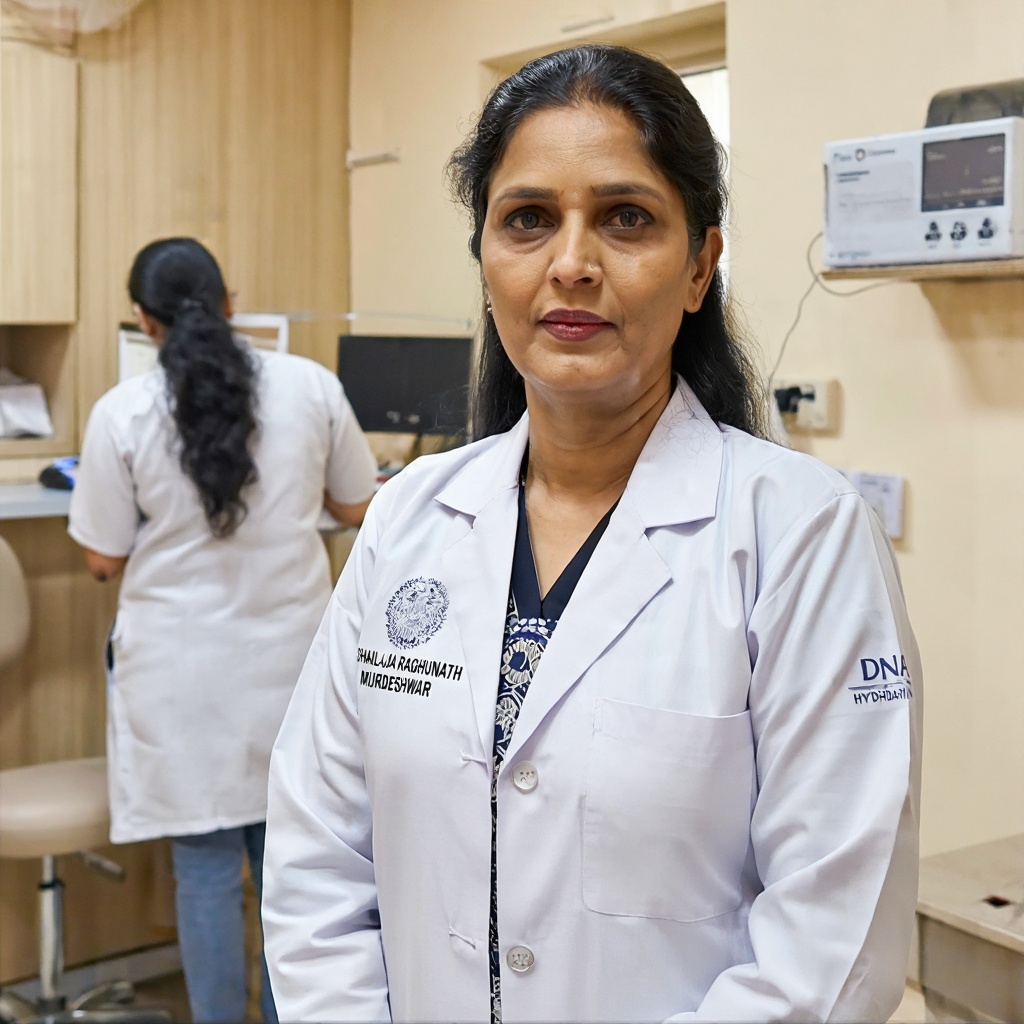

Cervical Cancer Squamous Cell Carcinoma: Symptoms, Early Detection, and Screening
At a Glance
- Sample Required: Cervical swab (for HPV DNA test) or Pap smear
- Fasting Rules: None required
- Turnaround Time (TAT): 3-5 business days
- Base Cost: [Insert Current 2026 Price]
Understanding Squamous Cell Carcinoma of the Cervix
Cervical cancer remains a significant health concern in India, with squamous cell carcinoma being the most common histological type. It originates in the squamous cells lining the outer surface of the cervix, the lower part of the uterus connecting to the vagina. Early detection dramatically improves treatment outcomes, yet the disease often remains asymptomatic in its initial stages.
Recognizing the Symptoms
While early-stage cervical cancer typically produces no symptoms, as the disease progresses, the following signs may appear. It is crucial to note that these symptoms can also be caused by non-cancerous conditions, but any persistent occurrence warrants medical evaluation.
| Symptom | Description | When to Seek Care |
|---|---|---|
| Abnormal Vaginal Bleeding | Bleeding between periods, after intercourse, or post-menopause. | Immediately if you experience any unexpected bleeding. |
| Unusual Vaginal Discharge | Watery, bloody, or foul-smelling discharge different from your normal pattern. | If discharge persists or changes in character. |
| Pelvic Pain | Persistent pain in the lower abdomen, back, or pelvis. | If pain is chronic or worsening. |
| Pain During Intercourse | Discomfort or pain during sexual activity. | If this is a new or persistent symptom. |
| Advanced Symptoms | Fatigue, unexplained weight loss, leg swelling, bladder or bowel dysfunction. | Seek immediate medical attention. |
Why Early Detection Matters in India
India bears a disproportionate burden of cervical cancer cases, largely due to limited awareness and barriers to screening. Late diagnosis significantly reduces survival rates. Regular screening can detect precancerous changes before they become invasive, making prevention and early intervention possible.
- High Incidence: Cervical cancer is the second most common cancer among Indian women.
- Limited Awareness: Many women are unaware of the symptoms and risk factors.
- Barriers to Screening: Geographic, financial, and cultural obstacles hinder access to regular screening.
Screening and Diagnostic Methods
Modern screening protocols emphasize HPV DNA testing, which is more sensitive than traditional Pap smears for detecting high-risk HPV types. Co-testing (HPV + Pap) is often recommended for women over 30. If abnormalities are found, colposcopy and biopsy confirm the diagnosis.
At DNA Labs India, we offer comprehensive cervical cancer screening packages. As an ISO 9001 certified lab, we ensure accurate and timely results. Our services include:
- HPV DNA Genotyping (High-Risk Types)
- Liquid-Based Cytology (Pap Test)
- Co-Testing (HPV + Pap)
- Colposcopy Referral Support
Prevention and Risk Reduction
Prevention is the most effective strategy against cervical cancer. The HPV vaccine protects against the most common high-risk HPV types. Additionally, lifestyle modifications can lower risk:
- HPV Vaccination: Recommended for girls and boys aged 9-14, and catch-up for women up to 26.
- Regular Screening: Follow your doctor's recommended schedule based on age and risk factors.
- Healthy Lifestyle: Avoid smoking, maintain a healthy weight, and practice safe sex.
Take Charge of Your Health
Do not wait for symptoms to appear. Schedule a screening today. Early detection saves lives. Consult your healthcare provider about the right screening plan for you.
💡 Key Takeaways
- •This article was written by Diptesh Goswami.
- •Last updated on September 9, 2026. Clinical information is reviewed periodically.
- •Always consult with a qualified healthcare provider before making medical decisions based on the information presented here.
Need Personalized Clinical Guidance?
The information in this article is intended for educational purposes and reflects current scientific understanding. To understand how these insights apply to your specific health profile or family history, speak with a certified genetic counselor at DNA Labs India.
Medical Disclaimer: The clinical insights provided here are intended for educational purposes and do not replace professional medical advice from a primary physician. DNA Labs India is an ISO 9001:2015 certified diagnostic laboratory. Always consult with a qualified healthcare provider regarding any medical concerns, diagnoses, or treatment decisions.
Related Articles in Genomic & Hereditary Oncology
Clinical Exome Sequencing Cost in India – 2026 Guide
Clinical Exome Sequencing (CES) at DNA Labs India costs ₹20,000. Learn about the test, conditions de...
BRCA1 & BRCA2 Genetic Test in India: Cost, Process & Risk Assessment
BRCA1 & BRCA2 genetic testing in India at DNA Labs India. Know cost, process, who should test, and c...
FISH Test in India: Cost, Procedure, and Clinical Applications
Learn about FISH test cost in India, its clinical uses, procedure, and how it helps in cancer diagno...
HLA Typing Test Cost in India
Discover HLA typing test cost in India, procedure details, turnaround times, and why DNA Labs India...