


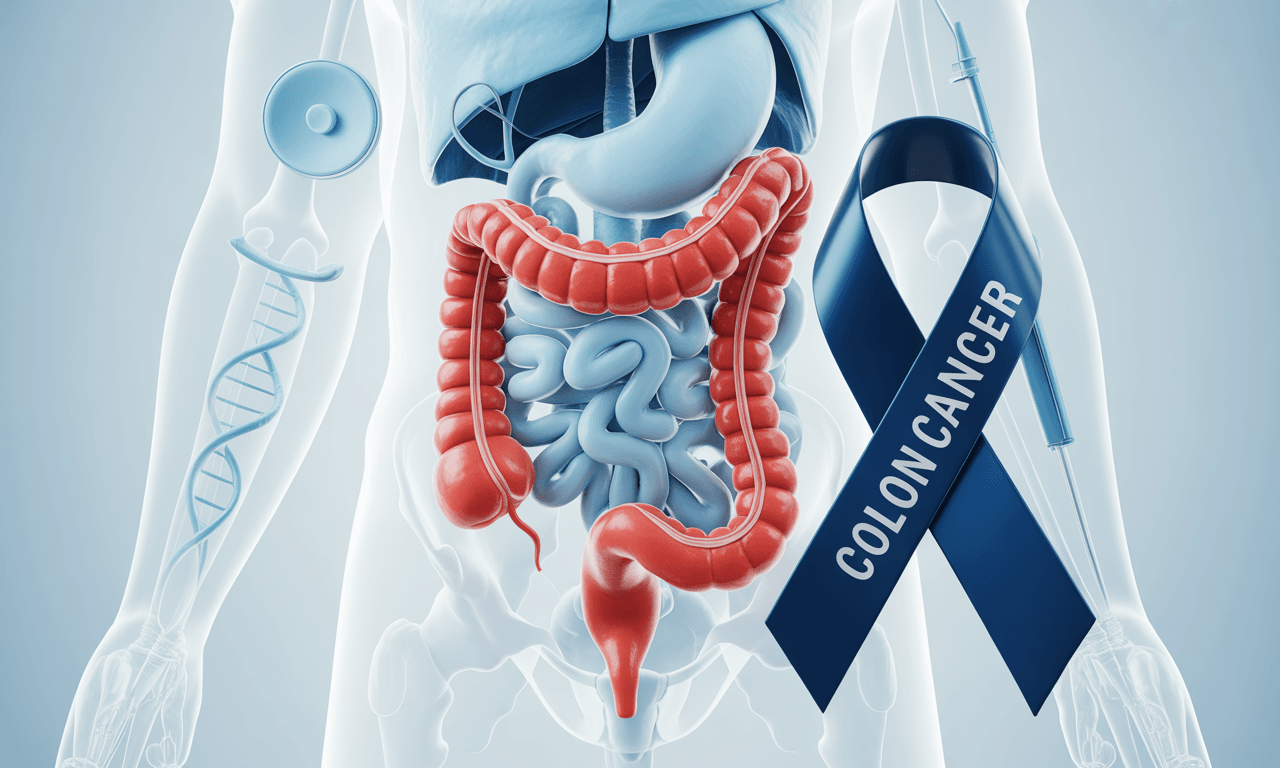
Colon Cancer: Symptoms, Causes, Tests & the New Rise in Young Adults
Written by: Dr. Ananya Sharma, MBBS, MD (Internal Medicine) | Medically Reviewed by: Dr. Rajesh Kumar, MD (Medical Genetics) | Last Updated: March 2026
At a Glance: Colon Cancer Genetic Testing
- Sample Required: Blood sample (2-3 ml) or saliva sample
- Fasting Rules: No fasting required
- Turnaround Time (TAT): 10-14 business days
- Base Cost: [Insert Current 2026 Price]
Colon cancer, often grouped with rectal cancer as colorectal cancer, is one of the most significant health challenges worldwide. According to the International Agency for Research on Cancer (IARC), approximately 1.9 million people are diagnosed each year, and more than 900,000 die from the disease annually. This makes it the third most common cancer globally and the second leading cause of cancer-related deaths.
What is particularly concerning is the steady rise in cases among adults under 50 over the past two decades. Experts attribute this to lifestyle changes, environmental factors, and a lack of early screening. This article provides a comprehensive overview of colon cancer—its symptoms, causes, diagnostic tests, treatment options, and the role of genetic testing—to help you stay informed and proactive.
What Is the Colon? Understanding Its Role in Your Body
Also known as the large intestine, the colon is a vital part of the digestive system. It absorbs water and electrolytes from digested food, forms stool, and eliminates waste through the rectum. The colon is a common site for intestinal disorders and is the primary location where colon cancer originates.
Colon Cancer Symptoms: Know the Warning Signs
Colon cancer often develops without obvious symptoms in its early stages. However, recognizing the warning signs can lead to earlier diagnosis and better outcomes. Common symptoms include:
- Blood in the stool or colon cancer stool appearing dark or tarry
- Persistent changes in bowel habits (constipation or diarrhea)
- Abdominal pain, bloating, or cramps that do not resolve
- Unexplained weight loss
- Fatigue and weakness
- A feeling that the bowel does not empty completely
These symptoms can mimic other intestinal disorders like irritable bowel syndrome (IBS) or Crohn's disease. If they persist for more than a few weeks, it is essential to consult a healthcare provider.
Symptom Timeline: When to Seek Medical Attention
| Symptom | Duration | Recommended Action |
|---|---|---|
| Blood in stool | Any occurrence | Immediate medical evaluation |
| Change in bowel habits | More than 2 weeks | Consult a physician |
| Abdominal pain | Persistent, worsening | Schedule a diagnostic test |
| Unexplained weight loss | Over 3 months | Seek medical advice |
Cause of Colon Cancer: What Increases Your Risk?
The cause of colon cancer is multifactorial, involving both genetic predisposition and lifestyle factors. Key risk factors include:
- Family history of colorectal cancer or adenomatous polyps
- Diets high in red or processed meats and low in fiber
- Sedentary lifestyle and obesity
- Smoking and heavy alcohol consumption
- Chronic intestinal disorders such as ulcerative colitis or Crohn's disease
- Type 2 diabetes
- Age (though younger adults are increasingly affected)
Understanding these risk factors can help you take preventive measures before symptoms appear.
Colon Cancer Test: Early Detection Saves Lives
Catching colon cancer early dramatically improves survival rates. Current guidelines recommend starting screening at age 45 for average-risk individuals, and earlier for those with a family history or genetic predisposition. Common screening and diagnostic tests include:
| Test | Type | Description | Frequency |
|---|---|---|---|
| Colonoscopy | Screening/Diagnostic | Visual examination of the entire colon; can remove polyps during the procedure. | Every 10 years (or as advised) |
| Stool Tests (FIT, mt-sDNA) | Screening | Detect hidden blood or DNA mutations in stool samples. | Annually or every 3 years |
| CT Colonography | Screening | Non-invasive imaging using CT scan to visualize the colon. | Every 5 years |
| Genetic Testing (NGS) | Risk Assessment | Identifies inherited mutations associated with hereditary colorectal cancer syndromes. | Once in a lifetime (if indicated) |
If you are asking, "When should I get a colon cancer test?"—the answer is: as early as possible if you have risk factors. Early detection is the most effective strategy.
Colon Cancer Treatment: What Are the Options?
If diagnosed, colon cancer treatment depends on the stage and location of the tumor. Standard treatment modalities include:
- Surgery – removal of the tumor and possibly part of the colon (colectomy).
- Chemotherapy – often used after surgery to eliminate residual cancer cells, or for advanced stages.
- Radiation therapy – particularly effective for rectal cancers, often combined with chemotherapy.
- Targeted therapy & immunotherapy – for cancers with specific genetic mutations or advanced disease.
The key to successful treatment is early diagnosis—which underscores the importance of regular screening.
The New Reality: Colon Cancer in Young Adults
Global concern is growing over the increase in colon cancer among people under 50. While the exact reasons remain under investigation, experts point to dietary patterns, sedentary lifestyles, environmental exposures, and delayed screening as contributing factors. If you are under 50 and experiencing symptoms—or have a family history—do not wait. You may need screening earlier than the general population.
Advanced Genetic Testing from DNA Labs India
To stay ahead of colon cancer, DNA Labs India offers the Colon Cancer Comprehensive Panel (NGS Genetic DNA Test). This test utilizes Next-Generation Sequencing (NGS) to detect inherited mutations associated with hereditary colorectal cancer syndromes, such as Lynch syndrome and familial adenomatous polyposis (FAP). It is ideal for:
- Individuals with a family history of colon or colorectal cancer
- People who want to understand their genetic risk and take proactive measures
- Patients looking to customize their screening and prevention plans based on genetic findings
Learn more or book your test here:
Colon Cancer Genetic Test – DNA Labs India
Conclusion: Don't Wait for Symptoms—Take Action Today
Colon cancer is preventable, treatable, and beatable—but only if caught early. Whether you are over 45 or under 50 with risk factors, taking steps today could save your life tomorrow.
- Know the symptoms of colon cancer
- Understand your colon cancer cause
- Get the right colon cancer test
- Explore colon cancer treatment options if needed
- And most importantly—don't ignore your gut
Your health is in your hands. Take control today with early testing, lifestyle changes, and the help of trusted diagnostics like DNA Labs India.