

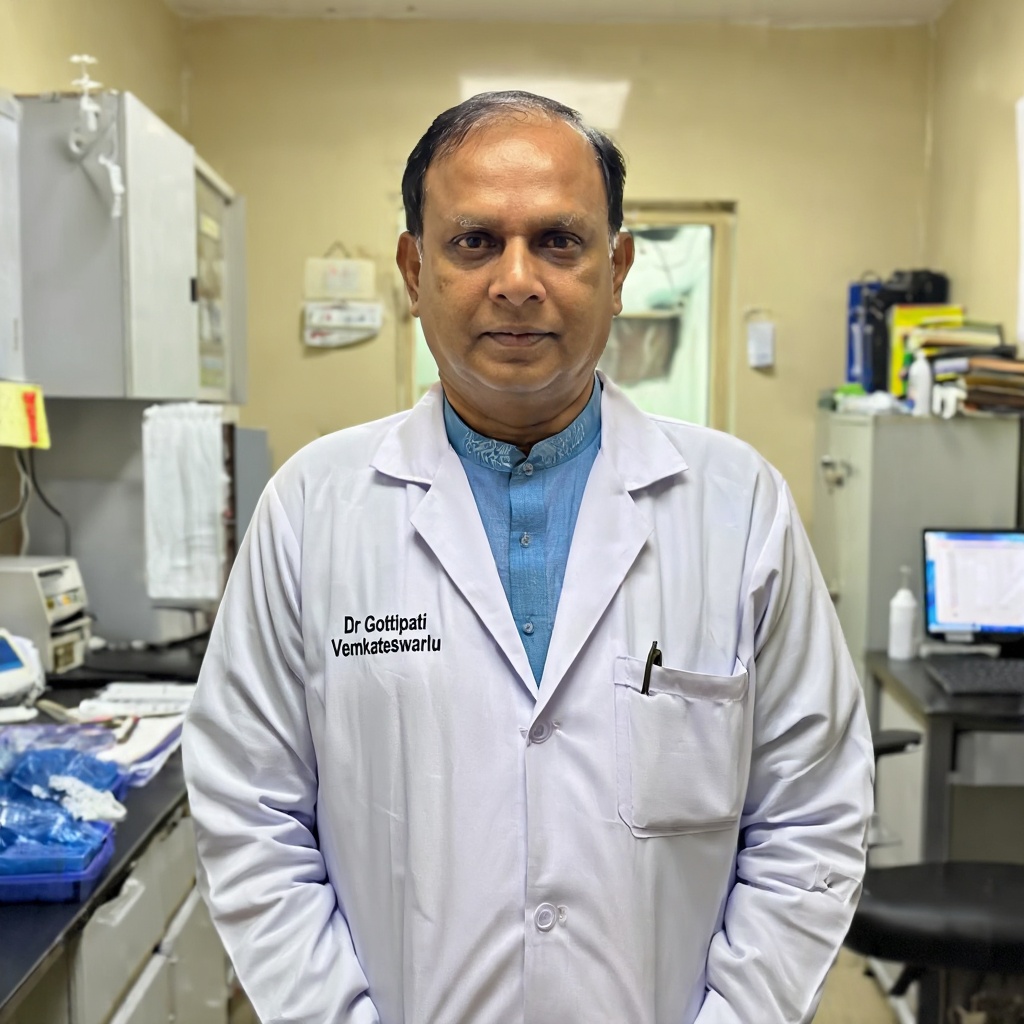

Leukemia Symptoms: Early Warning Signs and Diagnostic Insights
At a Glance
- Sample Required: Blood (CBC, Peripheral Smear) or Bone Marrow Aspirate
- Fasting Rules: No fasting required for blood tests; bone marrow biopsy may require prior consultation
- Turnaround Time (TAT): 24-48 hours for CBC; 7-14 days for genetic tests (NGS/WES)
- Base Cost: [Insert Current 2026 Price]
Written by: Dr. Ananya Sharma, MD (Internal Medicine)
Medically Reviewed by: Dr. Rajesh Kumar, DM (Hematology)
Last Updated: January 2026
Leukemia is a group of cancers that originate in the blood-forming tissues, primarily the bone marrow. In India, it accounts for a significant proportion of hematological malignancies. Early recognition of symptoms is critical for timely intervention and improved outcomes. This article provides a comprehensive overview of leukemia symptoms, differentiating between acute and chronic forms, and outlines the diagnostic pathway.
Understanding Leukemia: Acute vs. Chronic
Leukemia is broadly classified into acute and chronic types based on the speed of progression and the maturity of the leukemic cells. Acute leukemias (e.g., Acute Lymphoblastic Leukemia, Acute Myeloid Leukemia) progress rapidly and require immediate treatment. Chronic leukemias (e.g., Chronic Lymphocytic Leukemia, Chronic Myeloid Leukemia) develop more slowly and may be asymptomatic for years.
| Feature | Acute Leukemia | Chronic Leukemia |
|---|---|---|
| Onset | Sudden, rapid progression | Gradual, often indolent |
| Common Symptoms | Fatigue, fever, easy bruising, bone pain | Often asymptomatic; fatigue, weight loss, splenomegaly |
| Diagnostic Urgency | Immediate medical attention required | Routine monitoring; may not require immediate treatment |
Key Symptoms to Monitor
Leukemia symptoms arise from the infiltration of leukemic cells into the bone marrow, leading to impaired production of normal blood cells. The following are the most common warning signs:
- Persistent Fatigue and Weakness: Due to anemia from reduced red blood cell production. This fatigue is often profound and not relieved by rest.
- Unexplained Weight Loss: Unintentional loss of more than 5% of body weight over 6-12 months without changes in diet or exercise.
- Frequent or Recurrent Infections: Neutropenia (low white blood cells) increases susceptibility to bacterial and viral infections. Recurrent fevers, pneumonia, or oral thrush may occur.
- Easy Bruising or Bleeding: Thrombocytopenia (low platelets) leads to easy bruising, petechiae (small red spots), prolonged bleeding from cuts, or spontaneous nosebleeds.
- Pale Skin and Breathlessness: Anemia manifests as pallor, dizziness, and shortness of breath on exertion.
- Enlarged Lymph Nodes: Swollen, non-tender lymph nodes in the neck, axillae, or groin may indicate leukemic infiltration.
- Bone and Joint Pain: Accumulation of leukemic cells in the bone marrow causes pressure and pain, often in the sternum, ribs, or long bones.
- Abdominal Discomfort: Splenomegaly or hepatomegaly due to leukemic infiltration can cause fullness, pain, or a feeling of bloating in the upper abdomen.
Important: These symptoms are not exclusive to leukemia and can be caused by other conditions. However, if they persist or worsen, prompt medical evaluation is essential.
Diagnostic Approach and Modern Testing
If leukemia is suspected, a hematologist will typically perform a complete blood count (CBC) and peripheral blood smear. If abnormal cells are detected, a bone marrow aspiration and biopsy are performed for definitive diagnosis. Genetic testing using Next-Generation Sequencing (NGS) or Whole Exome Sequencing (WES) is now standard to identify specific mutations that guide prognosis and targeted therapy. These advanced molecular diagnostics are available at DNA Labs India, an ISO 9001 certified lab, ensuring accurate and timely results.
Early diagnosis significantly improves treatment outcomes. For acute leukemias, immediate initiation of chemotherapy is critical. Chronic leukemias may be managed with watchful waiting, targeted therapy, or immunotherapy depending on the genetic profile.
When to Seek Medical Attention
Seek urgent medical care if you experience any of the following:
- Unexplained, persistent fever or night sweats
- Rapid onset of severe fatigue or pallor
- Uncontrolled bleeding or widespread bruising
- Severe bone pain or abdominal swelling
- Recurrent infections that do not resolve
Early referral to a hematologist can be life-saving.