


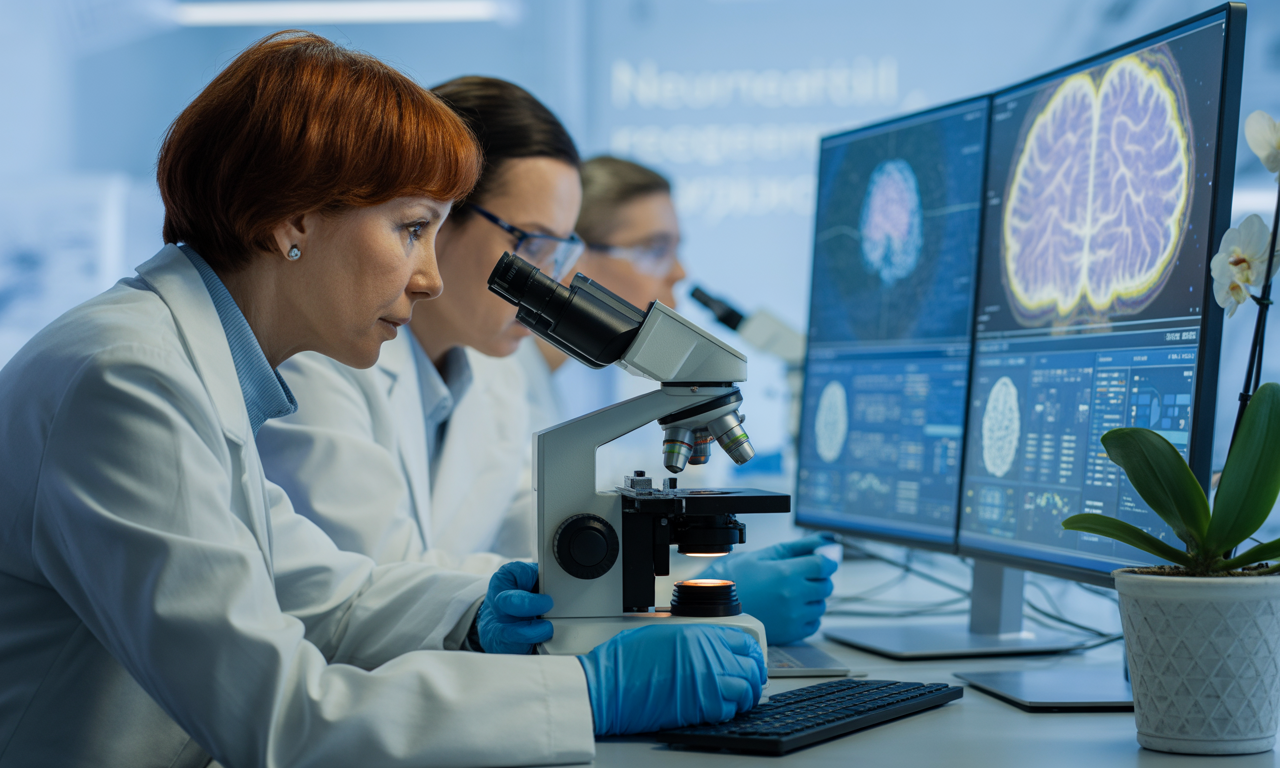
Scientists Map the Genetic Blueprint of the Brain's Repair Cells
Key Facts at a Glance
- Sample Required: Not applicable (research study)
- Fasting Rules: No
- Turnaround Time: Not applicable
- Base Cost: Not applicable
Written by: [Author Name]
Medically Reviewed by: Dr. [Reviewer Name], Neurologist
Last Updated: [Date]
Overview of Neural Progenitor Cells
Neural progenitor cells (NPCs) are rare, specialized cells in the dentate gyrus of the hippocampus that give rise to new neurons throughout adulthood. Adult neurogenesis supports learning, memory, and mood regulation—core functions affected in Alzheimer's disease, major depressive disorder, and other neuropsychiatric conditions. Understanding NPC genetics offers a direct path to precision therapies that enhance or restore the brain's intrinsic repair mechanisms.
Study Methodology and Computational Approach
Researchers at Baylor College of Medicine applied a Digital Sorting Algorithm (DSA) to deconvolve bulk gene-expression data from adult human hippocampal tissue enriched for neurogenic regions. This computational approach separated NPC-specific signals from surrounding brain cells despite their rarity, yielding a high-confidence molecular fingerprint of NPCs.
- Cohort and tissue: Adult human hippocampal tissue (dentate gyrus)
- Computational approach: Digital Sorting Algorithm (DSA) for deconvolution
- Outcome: High-confidence molecular fingerprint of NPCs
Key Genetic Discoveries
The study identified 129 NPC-enriched genes, defining the core genetic blueprint of adult neurogenesis. Cross-referencing with human disease databases revealed:
- 25 genes already implicated in specific neurological diseases when mutated.
- 15 previously unknown candidate genes that may explain currently unexplained neurological disorders.
These findings bridge basic neurogenesis biology with clinical genetics, suggesting direct avenues for diagnosis and treatment development.
Information Gain: Gene Categories and Clinical Relevance
| Gene Category | Number of Genes | Clinical Relevance |
|---|---|---|
| NPC-enriched genes | 129 | Core blueprint of adult neurogenesis |
| Disease-linked genes | 25 | Known mutations cause neurological disorders |
| Novel candidate genes | 15 | Potential explanations for unexplained disorders |
Clinical Implications and Therapeutic Potential
- Target discovery: The 129-gene blueprint highlights druggable pathways for enhancing neurogenesis or stabilizing NPC function.
- Precision medicine: The 15 new candidate disease genes offer diagnostic leads for patients with unexplained neurological phenotypes.
- Disease focus: Potential relevance to dementia (e.g., Alzheimer's), depression, learning disabilities, and neurodevelopmental disorders.
- Translational path: From gene targets to biomarkers (CSF/blood), patient stratification, and NPC-modulating therapies.
Future Research Directions
- Functional validation: CRISPR and organoid models to test causality of candidate genes in NPC proliferation, differentiation, and survival.
- Biomarker development: Peripheral signatures of NPC activity for early diagnosis and treatment monitoring.
- Therapeutic screening: Small molecules or biologics targeting key NPC pathways to boost hippocampal neurogenesis safely.
- Patient genetics: Sequencing cohorts with unexplained neurological disorders to evaluate the 15 candidate genes.
Patient and Care Impact
- Earlier answers: New candidate genes may finally explain symptoms in patients with undiagnosed neurological conditions.
- Future therapies: Interventions designed to restore neurogenesis could address memory decline, mood symptoms, and cognitive resilience.
- Personalized care: Genetic insights enable targeted treatment choices rather than one-size-fits-all approaches.
Funding and Collaboration
This work was supported by the National Institute on Aging and other federal agencies, with additional support from Autism Speaks—underscoring its impact across aging, neurodevelopment, and mental health.
Suggested FAQ
- What did the researchers discover?
A 129-gene signature that defines adult neural progenitor cells in the hippocampus, including 25 disease-linked genes and 15 new candidates. - Why is this important?
It reveals how the adult brain repairs itself and pinpoints genes that may underlie dementia, depression, and other disorders. - How did they study such rare cells?
By using a Digital Sorting Algorithm to computationally separate NPC gene signals from mixed brain tissue. - What are the clinical implications?
New diagnostic genes for unexplained disorders and targets for therapies that enhance adult neurogenesis. - Which brain region is involved?
The dentate gyrus of the hippocampus, where new neurons form throughout adulthood.
About DNA Labs India
DNA Labs India partners with clinicians and researchers to translate genetic discoveries into patient-centered care. Services include neurogenetics panels, undiagnosed disease workflows, and educational resources. For collaboration on neurogenesis-focused diagnostics or content, connect with our team.