


At a Glance
- Sample Required: Blood or saliva for genetic testing (if applicable)
- Fasting Rules: Not required for genetic testing
- Turnaround Time (TAT): 2–3 weeks for NGS panels
- Base Cost: [Insert Current 2026 Price]
The brain is the control center of the human body and the most complex organ in the nervous system. It coordinates thought, memory, emotion, touch, motor skills, vision, breathing, and countless other functions that sustain life. Protected by the skull and cushioned by cerebrospinal fluid, the brain is both incredibly powerful and surprisingly delicate.
Brain Anatomy: Structure and Function
The brain is a soft, jelly-like organ made up of billions of neurons (nerve cells) and glial cells. It weighs around 1.3 to 1.4 kilograms (about 3 pounds) in adults and uses approximately 20% of the body's total energy. The brain is responsible for regulating vital bodily functions, processing sensory input, and enabling everything from simple movements to complex thoughts.
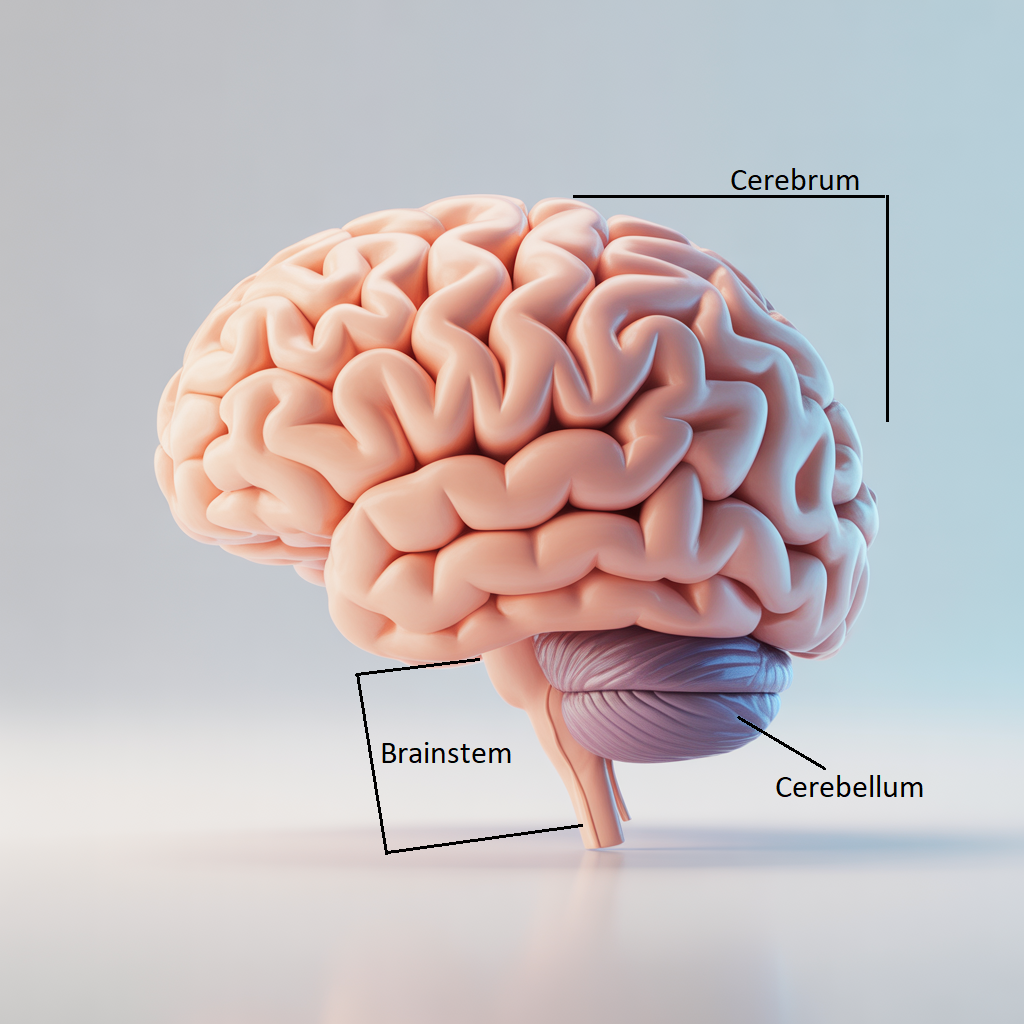
The brain is divided into three main regions:
- Cerebrum – the largest part, responsible for higher brain functions
- Cerebellum – controls balance and coordination
- Brainstem – manages basic life-sustaining functions like breathing and heart rate
Main Functions
- Controls body movements: Sends signals through the spinal cord and nerves.
- Processes sensory input: Interprets information from the eyes, ears, skin, and more.
- Enables thought and emotion: Facilitates thinking, decision-making, learning, and feeling.
- Stores memory and learning: Forms, retains, and recalls both short-term and long-term memories.
- Regulates vital functions: Maintains heartbeat, breathing, digestion, and temperature.
Detailed Brain Anatomy
| Part | Location/Feature | Function |
|---|---|---|
| Cerebrum | Largest upper part of the brain | Controls thought, memory, movement, and senses |
| Frontal Lobe | Front of the cerebrum | Decision-making, reasoning, problem-solving |
| Parietal Lobe | Upper back area of the cerebrum | Processes touch, pressure, temperature, pain |
| Temporal Lobe | Sides of the cerebrum | Manages hearing, language, and memory |
| Occipital Lobe | Back of the cerebrum | Processes visual information |
| Cerebellum | Below the cerebrum, back of brain | Coordinates movement, posture, and balance |
| Brainstem | Base of the brain, connects to spinal cord | Controls involuntary functions like breathing and heartbeat |
Common Neurological Disorders
Brain disorders can affect memory, emotion, movement, or essential bodily functions. Some of the most well-known include:
- Stroke
- Traumatic brain injury (TBI)
- Alzheimer's disease and other dementias
- Parkinson's disease
- Epilepsy
- Brain tumors
- Anxiety and depression
- Migraines and chronic headaches
Warning Signs to Watch For
- Sudden confusion or trouble speaking
- Memory loss that disrupts daily life
- Persistent headaches
- Loss of balance or coordination
- Seizures
- Unexplained mood changes
- Weakness or numbness in the face, arm, or leg (especially on one side)
Best Practices for a Healthy Brain
Your brain needs both physical and mental nourishment to stay healthy. Here's how you can support long-term brain health:
- Stay mentally active: Learn new skills, solve puzzles, read regularly.
- Exercise regularly: Promotes blood flow and neuroplasticity.
- Eat brain-friendly foods: Include leafy greens, berries, fatty fish, nuts, and whole grains.
- Get enough sleep: Quality sleep helps memory consolidation and emotional regulation.
- Avoid smoking and limit alcohol: Both can damage brain tissue and impair function.
- Manage stress: Chronic stress negatively affects brain structure and memory.
- Protect your head: Wear helmets and use seat belts to reduce injury risk.
- Get regular checkups: Especially if you have a family history of neurological conditions.
When Should You Consult a Doctor?
Seek medical attention if you or a loved one experiences:
- Persistent memory problems or confusion
- Sudden severe headaches
- Changes in behavior or personality
- Difficulty speaking, seeing, or walking
- Uncontrolled movements or seizures
- Loss of consciousness
Early detection and treatment can significantly improve outcomes in many brain-related conditions.
Genetic Testing for Neurological Disorders
Advances in genomics have enabled precise identification of inherited risks for conditions like Alzheimer's and Parkinson's. DNA Labs India offers NGS-based panels that analyze multiple genes simultaneously.
| Disorder | Genetic Test | Sample Type | TAT |
|---|---|---|---|
| Alzheimer's Disease | NGS Gene Panel | Blood or Saliva | 2–3 weeks |
| Parkinson's Disease | NGS Gene Panel | Blood or Saliva | 2–3 weeks |
| Epilepsy | NGS Gene Panel | Blood or Saliva | 2–3 weeks |
For more information, contact DNA Labs India today.
Conclusion
The brain is the most vital organ in the body's control system. By understanding how it works and taking proactive steps toward brain health, you can protect your cognitive abilities for years to come. At DNA Labs India, we offer advanced neurological screening and genetic testing options for individuals seeking personalized brain health insights.
Contact DNA Labs India today for a consultation or to learn more about our preventive health services.
Frequently Asked Questions (FAQs)
Q1: What does the brain do?
A: The brain controls nearly every function of the body, including thought, memory, emotion, motor skills, breathing, heartbeat, digestion, and perception of the senses (sight, sound, touch, etc.).
Q2: What are the main parts of the brain?
A: The brain has three main parts: the cerebrum (thinking and voluntary movement), cerebellum (balance and coordination), and brainstem (vital functions like breathing and heart rate). The cerebrum itself is divided into lobes with specialized functions.
Q3: Can brain cells regenerate?
A: While most brain cells do not regenerate in the same way as skin or blood cells, certain areas of the brain can create new neurons—a process known as neurogenesis, particularly in the hippocampus, which is involved in memory.
Q4: What lifestyle choices support brain health?
A: Regular exercise, a balanced diet rich in omega-3s and antioxidants, good sleep, stress management, mental stimulation, and social interaction are all proven to support brain health.
Q5: How much of the brain do we actually use?
A: The idea that we use only 10% of our brain is a myth. In reality, nearly all parts of the brain are active at different times, depending on what we're doing.
Q6: What are early signs of brain-related problems?
A: Warning signs may include memory loss, confusion, persistent headaches, sudden changes in mood or behavior, difficulty speaking or understanding speech, and problems with balance or movement.
Q7: What tests are used to check brain function?
A: Brain imaging (like MRI or CT scans), EEGs (to measure electrical activity), and neurocognitive assessments can help diagnose brain conditions. Genetic testing may also identify inherited neurological risks.