
World Brain Day 2025: Genetic and Preventive Approaches to Brain Health for All Ages
At a Glance: Brain Health Genetic Panel
- Sample Required: Blood (2-3 ml)
- Fasting Rules: Not required
- Turnaround Time (TAT): 7-10 business days
- Base Cost: [Insert Current 2026 Price]
DNA Labs India offers a comprehensive hereditary brain cancer risk assessment using Next-Generation Sequencing (NGS) to identify mutations in genes associated with glioblastoma, medulloblastoma, and other neurological malignancies.
What Is World Brain Day?
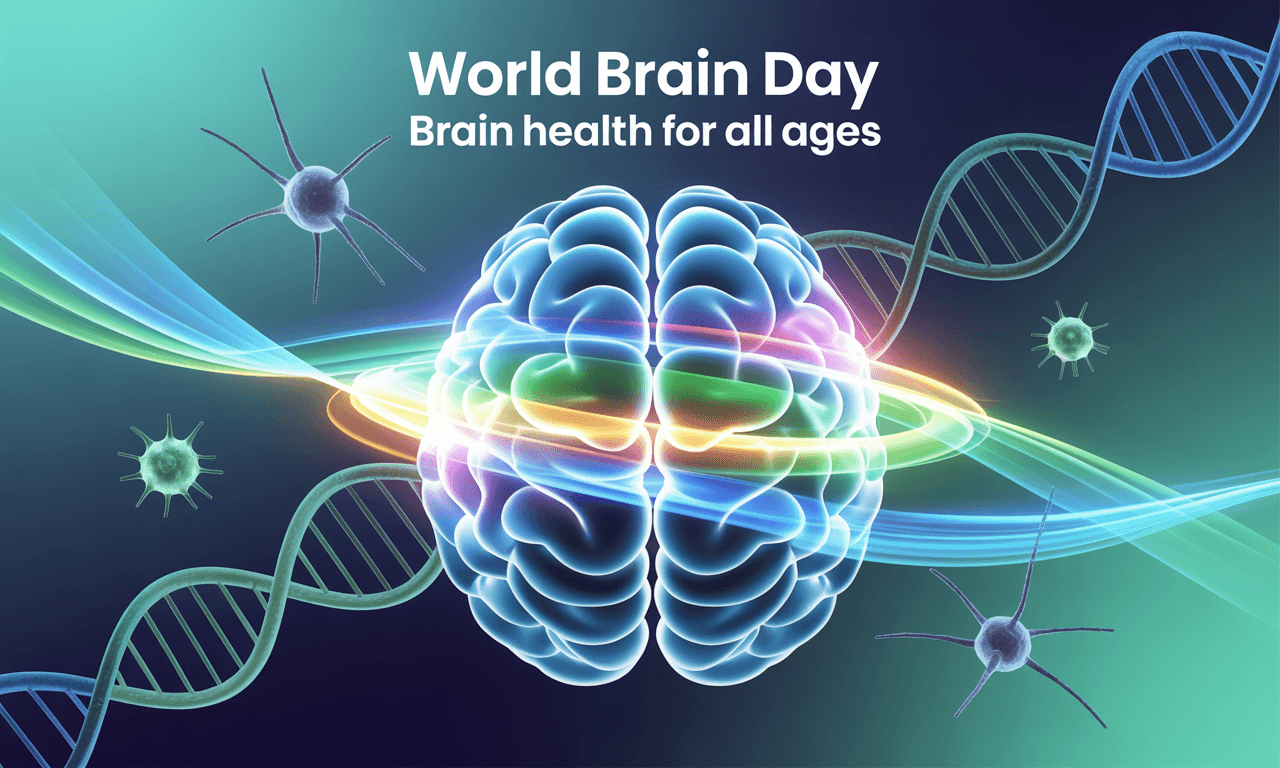
Every year on July 22, the World Federation of Neurology (WFN) leads a global effort to raise awareness about brain health and neurological disorders. This initiative, known as World Brain Day, brings together doctors, researchers, communities, and families to highlight both the challenges and breakthroughs in brain science.
Theme for 2025: “Brain Health for All Ages”
The campaign emphasizes that brain health matters from birth to old age—and that prevention, education, and equitable care can change lives.
The Global Burden of Neurological Disorders
Neurological disorders affect over 1 billion people worldwide, making them a leading cause of disability and death. Conditions such as stroke, Alzheimer’s disease, Parkinson’s disease, epilepsy, and brain cancer impose significant personal and societal burdens. Many of these conditions are preventable or manageable with early intervention and healthy lifestyle choices.
Genetic predisposition plays a critical role in several neurological disorders, particularly hereditary brain cancers. Advances in genomic medicine now allow for early risk assessment and personalized prevention strategies.
Genetic Predisposition and Hereditary Brain Cancers
Approximately 5-10% of brain tumors are hereditary, linked to germline mutations in genes such as TP53, NF1, NF2, PTEN, and MSH2. These mutations can be identified through Next-Generation Sequencing (NGS) or Whole Exome Sequencing (WES), which analyze multiple genes simultaneously for higher accuracy and faster results.
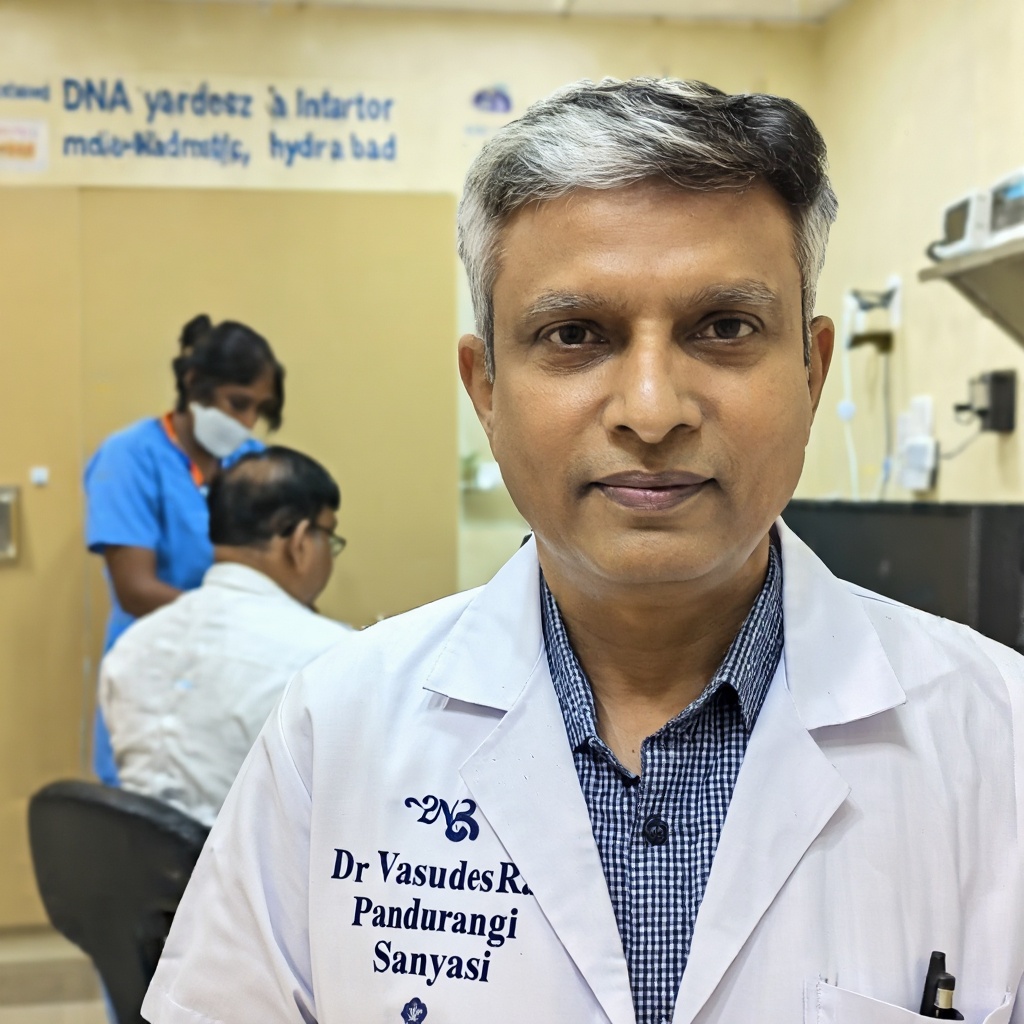
DNA Labs India, an ISO 9001 certified lab, offers a comprehensive hereditary brain cancer panel that detects mutations associated with glioblastoma, medulloblastoma, and other central nervous system tumors. Early genetic testing enables proactive surveillance and risk-reduction strategies for at-risk individuals and families.
Genetic Testing vs. Traditional Screening
| Aspect | Genetic Testing (NGS/WES) | Traditional Screening |
|---|---|---|
| Detection | Identifies inherited mutations before symptoms appear | Detects tumors after symptoms or imaging findings |
| Scope | Analyzes multiple genes simultaneously | Limited to imaging (MRI, CT) and biopsy |
| Turnaround | 7-10 business days | Varies; often weeks for full workup |
| Preventive Value | Enables proactive surveillance and risk reduction | Reactive; diagnosis after onset |
Brain Health Across Every Life Stage
| Life Stage | Brain Health Focus |
|---|---|
| Pregnancy & Infancy | Maternal care, prenatal nutrition, early stimulation |
| Children & Teens | Education, mental wellness, avoiding substance use |
| Adults | Sleep, stress management, physical activity, cognitive health |
| Older Adults | Memory care, screenings, social engagement |
The 5 Pillars of World Brain Day 2025
- Awareness – Promote global understanding of neurological conditions
- Prevention – Encourage healthy behaviors to protect brain function
- Education – Equip professionals and the public with life-saving knowledge
- Access to Care – Ensure equal neurological treatment opportunities worldwide
- Advocacy – Influence public health policies and research investment
Breakthrough Story: Dad’s Aggressive Brain Cancer Vanishes
Inspiring breakthroughs like these show why brain health awareness is so crucial. A father diagnosed with aggressive glioblastoma experienced a remarkable recovery after participating in an immunotherapy clinical trial. His tumor completely disappeared following treatment with an experimental drug, offering new hope to patients worldwide.
Read the full inspiring case study here:
Dad’s Aggressive Brain Cancer Vanishes After Taking New Drug
How to Protect Your Brain – Starting Today
Whether you’re a student, a parent, or a senior citizen, these daily habits can support long-term brain health:
- Eat a balanced, anti-inflammatory diet (leafy greens, omega-3s, berries)
- Stay physically active – movement fuels memory and focus
- Reduce stress through meditation or breathwork
- Prioritize sleep (7–9 hours) to recharge your brain
- Challenge your mind with puzzles, reading, or creative hobbies
- Stay connected – social relationships improve cognitive resilience
How You Can Participate in World Brain Day 2025
- Register for the official WFN webinar with expert speakers from WHO and global neurology organizations
- Use hashtags like
#WorldBrainDay2025,#BrainHealthForAllAges - Organize or join community awareness events
- Share real-life breakthroughs like Ben’s story to inspire others
- Support brain health research and advocacy through donations or volunteering
Final Thoughts: Why This Year Is Different
World Brain Day 2025 reminds us that brain health is a right, not a privilege. With real-world miracles like glioblastoma remission and advances in genetic screening, we’re entering a new era of possibility.
Together, we can protect brains, change futures, and bring life-saving knowledge to every corner of the world.