
Androstenedione Stimulation by ACTH Test
Short Name: ACTH Stimulation – Androstenedione
Also known as: ACTH Stimulation Test for Androstenedione, Androstenedione Response Test, Synacthen Stimulation Test – Androstenedione, Adrenal Androstenedione Reserve Test
Androstenedione Stimulation by ACTH Test test available at DNA Labs India for ₹5,000. Uses Chemiluminescent Immunoassay (CLIA) on Serum samples. Results in Same-day reports are available for samples received on Monday or Thursday by 4:00 PM. Reports can be accessed via the DNA Labs India online portal, email, or WhatsApp.. Free home collection in 300+ cities across India.

🩺 Medically Reviewed By
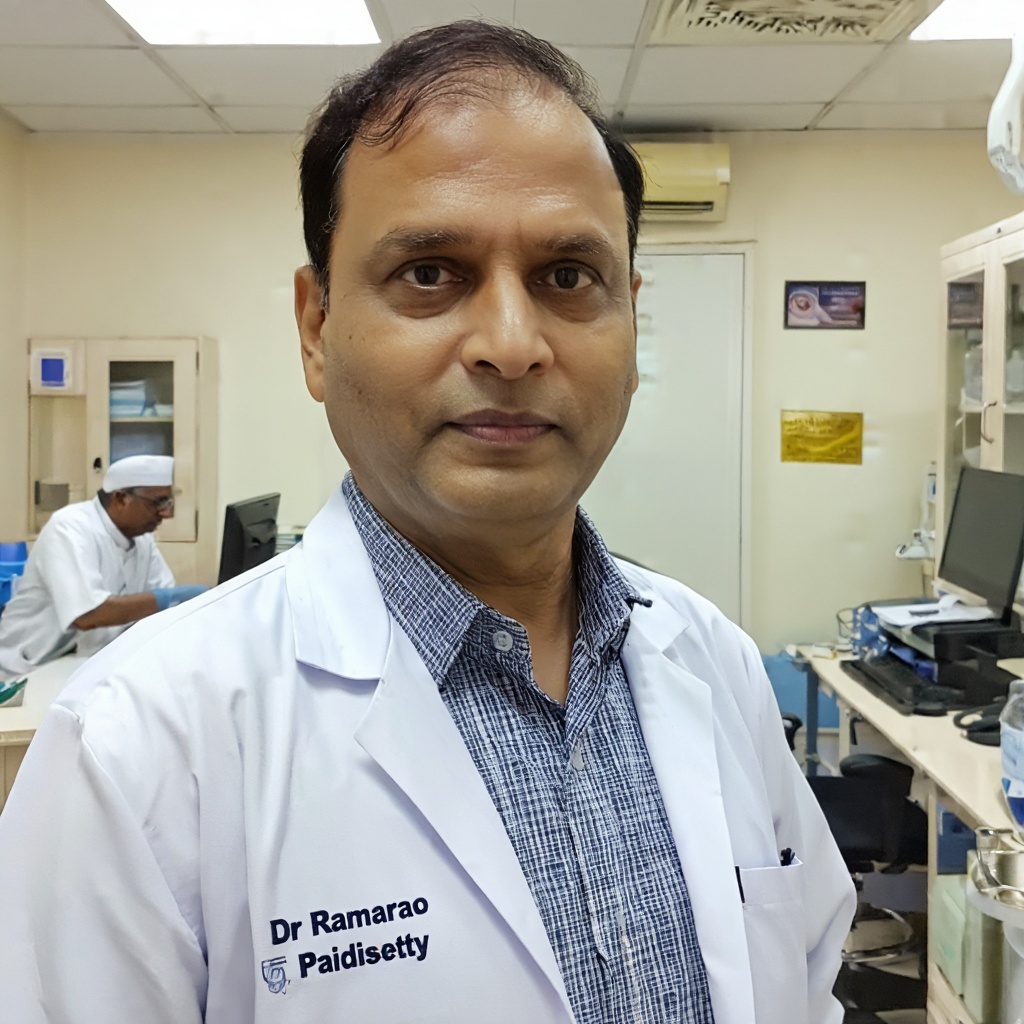
Dr Ramarao Paidisetty
Consultant Biochemist · Reg: 21504
Last reviewed: September 7, 2026
Overview
The purpose of this test is to evaluate the functional reserve of the adrenal cortex in producing androstenedione when stimulated by ACTH. It helps clinicians diagnose or exclude congenital adrenal hyperplasia, assess adrenal androgen production in cases of hirsutism or virilisation, investigate unexplained infertility, and monitor adrenal function in patients on long-term steroid therapy. The stimulated value is more sensitive than a basal measurement alone, as it can reveal subclinical enzyme deficiencies.
- Test Code
- 127
- CPT Code
- 82157
- ICD Code
- E25.9
- Price
- ₹5,000
- Sample Type
- Serum
- Result Time
- Same-day reports are available for samples received on Monday or Thursday by 4:00 PM. Reports can be accessed via the DNA Labs India online portal, email, or WhatsApp.
- Fasting Required
- Yes
- Method
- Chemiluminescent Immunoassay (CLIA)
Sample Collection
Overnight fasting of 8–12 hours is mandatory. Inform your physician about all current medications, especially corticosteroids, oral contraceptives, and anticonvulsants. The test is ideally performed in the morning (between 7 AM and 10 AM) when ACTH levels are at their physiological peak. Synthetic ACTH (Synacthen, 250 µg) must be available at the collection centre—this drug is not supplied by DNA Labs India.
Method: Venipuncture – Two timed draws (baseline and 90 minutes post-ACTH)
Laboratory Analysis
A baseline fasting venous blood sample (minimum 1.5 mL serum) is drawn into an SST tube and clearly labelled with the exact time of draw. Synthetic ACTH (250 µg) is then administered intravenously by a qualified healthcare professional. A second blood sample (minimum 1.5 mL serum) is drawn into another SST tube exactly 90 minutes after ACTH injection and similarly labelled with the time of draw. Both tubes are essential for analysis.
Report Delivery
Apply pressure to the venipuncture site for 3–5 minutes. Mild dizziness may occur due to fasting; rest briefly before leaving. Resume normal diet and medications as directed by your physician. Results are typically available the same day if samples arrive at the laboratory on Monday or Thursday by 4:00 PM.
Timeline: Same-day reports are available for samples received on Monday or Thursday by 4:00 PM. Reports can be accessed via the DNA Labs India online portal, email, or WhatsApp.
Patient Instructions
About This Test
Who Should Get This Test
The purpose of this test is to evaluate the functional reserve of the adrenal cortex in producing androstenedione when stimulated by ACTH. It helps clinicians diagnose or exclude congenital adrenal hyperplasia, assess adrenal androgen production in cases of hirsutism or virilisation, investigate unexplained infertility, and monitor adrenal function in patients on long-term steroid therapy. The stimulated value is more sensitive than a basal measurement alone, as it can reveal subclinical enzyme deficiencies.
How to Prepare
- Overnight fasting (8–12 hours) is mandatory before sample collection
- Two SST tubes are required—one for the baseline sample and one for the 90-minute post-ACTH sample
- Both tubes must be clearly marked with the exact time of blood draw
- Administer 250 µg synthetic ACTH (Synacthen) IV after baseline draw
- Second sample must be drawn exactly 90 minutes after ACTH injection
- Ship specimens refrigerated or frozen
- Submit both tubes with a single test request form
- Synthetic ACTH is not supplied by DNA Labs India—arrange through your physician
Doctor's Notes
Reviewed by Dr Ramarao Paidisetty — MBBS, MD (Biochemistry) · Reg. No. 21504
"The ACTH stimulation test for androstenedione is a valuable dynamic assessment of adrenal androgen reserve. It is particularly useful in the workup of congenital adrenal hyperplasia, unexplained hirsutism, and adrenal insufficiency. A blunted androstenedione response to synthetic ACTH may indicate enzyme deficiencies such as 21-hydroxylase or 11β-hydroxylase deficiency, while an exaggerated response can point toward androgen-secreting adrenal tumours. Always interpret results in conjunction with cortisol, 17-hydroxyprogesterone, and clinical findings."
Last medically reviewed: September 7, 2026
Test Parameters & Specifications
Sample Stability
- Sample received without proper time labelling on tubes
- Only one tube received (both baseline and stimulated specimens are mandatory)
- Haemolysised, lipaemic, or insufficient sample volume
- Sample not shipped refrigerated or frozen as required
- Absence of test request form or incomplete clinical information
Understanding Your Results
Androstenedione rises 2–4 fold above baseline at 90 minutes, indicating intact adrenal enzymatic pathways (17,20-desmolase, 17α-hydroxylase). Adrenal androgen reserve is normal.
Androstenedione fails to rise adequately after ACTH stimulation. This may indicate congenital adrenal hyperplasia (e.g., 21-hydroxylase or 11β-hydroxylase deficiency), adrenal insufficiency (Addison's disease), or prior adrenalectomy. Further evaluation with 17-hydroxyprogesterone and cortisol levels is recommended.
Androstenedione rises disproportionately high, which may suggest non-classic CAH, androgen-secreting adrenal tumours, or adrenal hyperplasia. Correlation with DHEA-S, testosterone, and adrenal imaging is advised.
Elevated basal androstenedione with a normal fold-rise may suggest polycystic ovary syndrome (PCOS), ovarian androgen excess, or mild enzyme partial deficiency. Ovarian contribution should be assessed separately.
Consult an endocrinologist if you experience symptoms such as unexplained hirsutism, persistent acne, irregular menstrual cycles, infertility, decreased libido, fatigue with unexplained weight changes, or if a routine blood test shows abnormal androstenedione levels. Early evaluation is especially important in children with ambiguous genitalia or signs of precocious puberty.
Limitations
- ⚠The test evaluates adrenal androgen reserve only; it does not distinguish between ovarian and adrenal sources of androstenedione without additional ovarian suppression studies
- ⚠Results must be interpreted alongside cortisol, 17-hydroxyprogesterone, DHEA-S, and clinical findings
- ⚠A single ACTH dose (250 µg) is a supraphysiological stimulus and may not detect subtle partial deficiencies detectable by low-dose protocols
- ⚠Reference ranges vary by age, sex, and pubertal stage; paediatric interpretation requires age-specific norms
- ⚠Synthetic ACTH (Synacthen) is not supplied by the laboratory and must be arranged by the referring physician
Risks & Considerations
- ●Mild pain or bruising at the venipuncture site
- ●Rare allergic reaction to synthetic ACTH (Synacthen)
- ●Dizziness or lightheadedness due to fasting
- ●Very rare: vasovagal syncope during blood draw
- ●Flushing or transient rapid heartbeat after ACTH injection
Interfering Factors
- ●Oral contraceptives and hormone replacement therapy may suppress or alter androstenedione levels
- ●Corticosteroid use can suppress ACTH-mediated adrenal response
- ●Recent dexamethasone administration may falsely lower stimulated values
- ●Phenytoin, carbamazepine, and other enzyme-inducing drugs may alter steroid metabolism
- ●Acute illness or physiological stress may affect baseline values
- ●Timing of sample collection in relation to menstrual cycle may influence results in premenopausal women
Compare With Similar Tests
| Test | Androstenedione Stimulation by ACTH Test | ||||
|---|---|---|---|---|---|
| Comparison | Androstenedione Stimulation by ACTH Test | Measures androstenedione at a single point without ACTH stimulation. Useful for screening but may miss subclinical enzyme deficiencies that the stimulation test can unmask. | Evaluates cortisol response to ACTH rather than androgen response. Often performed alongside androstenedione stimulation for a comprehensive adrenal assessment. | Specifically screens for 21-hydroxylase deficiency (the most common cause of CAH). Often ordered together with androstenedione stimulation for complete CAH evaluation. | A single basal marker of adrenal androgen production. DHEA-S does not require stimulation and is useful for screening, but lacks the dynamic information provided by an ACTH stimulation test. |
Frequently Asked Questions
What is the Androstenedione Stimulation by ACTH Test?
Why is this test recommended?
Is fasting required for this test?
How long does the test take?
What is synthetic ACTH (Synacthen) and is it safe?
What conditions can this test diagnose?
What is the normal response to ACTH stimulation?
Can medications affect the test results?
What is the cost of the Androstenedione Stimulation by ACTH Test at DNA Labs India?
Is home sample collection available for this test?
When will I receive my test results?
What is the difference between this test and a simple androstenedione blood test?
Related Tests
Reference Laboratory Services
We serve as a reference laboratory for hospitals and clinics across India. Send samples from your facility with same-day pickup, priority processing, and results delivered through our online portal. Competitive institutional pricing available.
Your Data Privacy
Your medical data is protected under Indian law.
✓ Stored in India: All patient records are stored on servers located in India. No data is transferred outside the country.
✓ DPDP Act Compliant: Under the Digital Personal Data Protection Act 2023, you can request deletion of your records at any time by contacting support.
Book Your Test
Enter your details and we'll connect you within 15 minutes.