
B4GAT1 Gene Muscular dystrophy-dystroglycanopathy (congenital with brain and eye anomalies), type A13 NGS Genetic Test
Short Name: B4GAT1 MDDGA13 NGS
Also known as: MDDGA13, B4GAT1-related congenital muscular dystrophy-dystroglycanopathy, B4GAT1-associated muscular dystrophy-dystroglycanopathy with brain and eye anomalies, Congenital muscular dystrophy-dystroglycanopathy type A13
B4GAT1 Gene Muscular dystrophy-dystroglycanopathy (congenital with brain and eye anomalies), type A13 NGS Genetic Test test available at DNA Labs India for ₹20,000. Uses Next-Generation Sequencing (NGS), Sanger Confirmation on Blood or Extracted DNA or One drop Blood on FTA Card samples. Results in Reports are typically issued within 3 to 4 weeks after the sample reaches the laboratory.. Free home collection in 300+ cities across India.

🩺 Medically Reviewed By
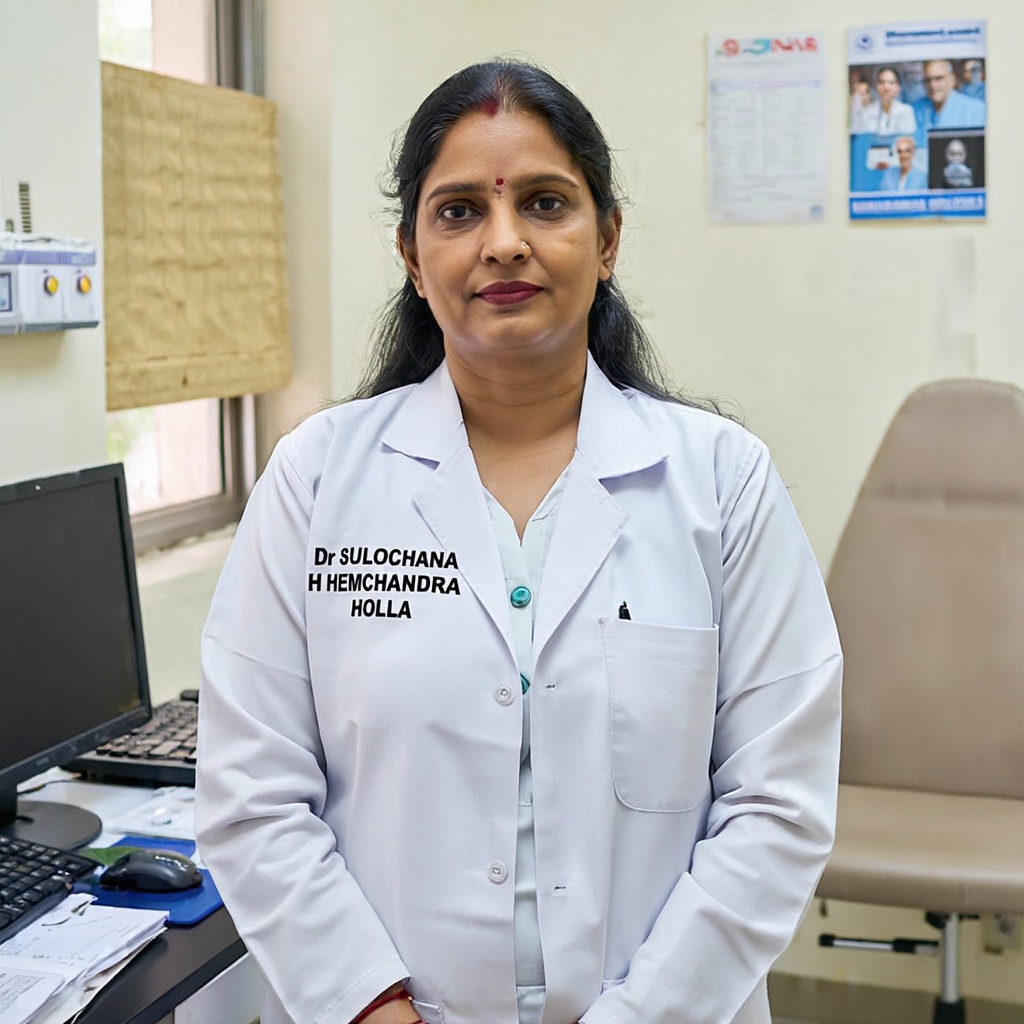
Dr SULOCHANA HEMCHANDRA HOLLA
Consultant Medical Geneticist · Reg: 8532
Last reviewed: September 7, 2026
Overview
The purpose of this NGS genetic test is to identify disease-causing variants in the B4GAT1 gene in individuals with clinical features suggestive of muscular dystrophy-dystroglycanopathy, congenital with brain and eye anomalies, type A13. Confirmatory genetic testing is important for accurate diagnosis, management planning, reproductive counselling and recurrence-risk assessment.
- Test Code
- 4357
- Price
- ₹20,000
- Sample Type
- Blood or Extracted DNA or One drop Blood on FTA Card
- Result Time
- Reports are typically issued within 3 to 4 weeks after the sample reaches the laboratory.
- Fasting Required
- No
- Method
- Next-Generation Sequencing (NGS), Sanger Confirmation
Sample Collection
["No fasting is required for this test.", "A clinical history of the patient should be provided to the laboratory.", "A genetic counselling session to draw a pedigree chart of family members affected with B4GAT1-related muscular dystrophy-dystroglycanopathy is recommended.", "Please share any previous genetic testing reports or muscle biopsy results if available."]
Method: Peripheral venipuncture; FTA card blood spot; or extracted DNA shipment
Laboratory Analysis
["A blood sample will be collected by an experienced phlebotomist.", "If using an FTA card, a small drop of blood from a finger or heel prick may be collected.", "Samples must be labelled correctly at the time of collection."]
Report Delivery
["No special precautions are needed after sample collection.", "The sample will be transported to the laboratory under appropriate temperature conditions.", "Reports will be delivered within 3 to 4 weeks through the selected delivery mode."]
Timeline: Reports are typically issued within 3 to 4 weeks after the sample reaches the laboratory.
Patient Instructions
About This Test
Who Should Get This Test
The purpose of this NGS genetic test is to identify disease-causing variants in the B4GAT1 gene in individuals with clinical features suggestive of muscular dystrophy-dystroglycanopathy, congenital with brain and eye anomalies, type A13. Confirmatory genetic testing is important for accurate diagnosis, management planning, reproductive counselling and recurrence-risk assessment.
How to Prepare
- No fasting required.
- Provide a clinical summary and relevant family history.
- Complete the test request form and consent before sample collection.
- Home sample collection is available for online bookings.
- For FTA card sampling, ensure the card is dry before placing it in the protective sleeve.
Doctor's Notes
Reviewed by Dr SULOCHANA HEMCHANDRA HOLLA — MBBS, MD (Medical Genetics) · Reg. No. 8532
"If a family has a child with suspected congenital muscular dystrophy with brain and eye involvement, timely genetic testing and referral to clinical genetics is important for accurate counselling and recurrence-risk assessment in future pregnancies."
Last medically reviewed: September 7, 2026
Test Parameters & Specifications
Sample Stability
- Clotted or haemolysed blood sample
- Insufficient sample quantity
- Incorrectly labelled or unlabelled sample
- Sample received without required clinical details or consent
Understanding Your Results
Biallelic pathogenic or likely pathogenic variants were identified in the B4GAT1 gene. This confirms the diagnosis of muscular dystrophy-dystroglycanopathy type A13 in a symptomatic individual.
Result type: Positive
A single pathogenic variant was identified. This may indicate carrier status; a second variant may be present in a region not covered by this test, so further analysis or family studies may be needed.
Result type: Heterozygous pathogenic variant identified
A genetic change was identified but its clinical significance is currently unknown. Additional testing of family members and correlation with clinical findings may help clarify the variant.
Result type: Variant of uncertain significance (VUS)
No pathogenic or likely pathogenic variant was identified in the coding regions and splice sites of the B4GAT1 gene tested. This does not exclude all genetic causes, and other genes or testing methods may be considered.
Result type: Negative
Consult a neurologist or clinical geneticist if the patient has early hypotonia, progressive muscle weakness, delayed development, seizures, intellectual disability or congenital eye and brain abnormalities.
Limitations
- ⚠This targeted NGS test is limited to the B4GAT1 gene and does not evaluate other genes associated with muscular dystrophy-dystroglycanopathy
- ⚠Large structural rearrangements, deep intronic variants and certain regulatory region variants may not be detected by this NGS approach
- ⚠Variants of uncertain significance may require additional family studies or functional analysis
- ⚠A negative result does not exclude the possibility of another genetic disorder with similar clinical features
Risks & Considerations
- ●Minor pain or bruising at the blood collection site
- ●Dizziness or vasovagal reaction during blood collection
- ●Rare risk of local infection
- ●No direct physical risks from the genetic test itself
Interfering Factors
- ●Recent allogeneic bone marrow transplantation may affect DNA test results because blood-derived DNA may reflect donor DNA
- ●Recent blood transfusion can rarely affect extracted DNA quality or introduce donor leukocytes
- ●Incorrect sample labelling or incomplete requisition may delay testing
- ●DNA degradation due to improper transport or storage may interfere with NGS quality
Compare With Similar Tests
| Test | B4GAT1 Gene Muscular dystrophy-dystroglycanopathy (congenital with brain and eye anomalies), type A13 NGS Genetic Test | ||
|---|---|---|---|
| Comparison | B4GAT1 Gene Muscular dystrophy-dystroglycanopathy (congenital with brain and eye anomalies), type A13 NGS Genetic Test |
Frequently Asked Questions
What is B4GAT1 gene muscular dystrophy-dystroglycanopathy type A13?
What symptoms are associated with B4GAT1 disease?
How is the B4GAT1 NGS genetic test performed?
What sample is required for this test?
Do I need to fast before the B4GAT1 NGS test?
How long will the reports take?
What does a positive test result mean?
What does a negative test result mean?
Can this test detect carriers?
Who should consider this genetic test?
Is genetic counselling important after the test?
What is the cost of the B4GAT1 NGS test at DNA Labs India?
Related Tests
Angelman Syndrome Test
₹10,000Duchenne / Becker Muscular Dystrophy (DMD / BMD) Gene Mutation Test
₹14,000Episodic Ataxia Type 1 Hotspot Test
₹11,500Episodic Ataxia Comprehensive Profile Hotspot Test
₹16,000Megalencephalic Leukoencephalopathy with Subcortical Cysts Van Der Knaap and Nalband MLC Gene Hotspot Mutation Test
₹7,500Analyzer 18 SMA 18 Test Panel
₹1,755Reference Laboratory Services
We serve as a reference laboratory for hospitals and clinics across India. Send samples from your facility with same-day pickup, priority processing, and results delivered through our online portal. Competitive institutional pricing available.
Your Data Privacy
Your medical data is protected under Indian law.
✓ Stored in India: All patient records are stored on servers located in India. No data is transferred outside the country.
✓ DPDP Act Compliant: Under the Digital Personal Data Protection Act 2023, you can request deletion of your records at any time by contacting support.
Book Your Test
Enter your details and we'll connect you within 15 minutes.